


 Maria Corina Machado Vows Return to Venezuela After Earthquakes Despite Obstacles
  Russian Attacks Kill Four in Ukraine as Zaporizhzhia and Kharkiv Come Under Fire
  Taiwan Coast Guard Officer Finds Strength in Faith as China Increases Pressure in Taiwan Strait
  Trump Urges Gasoline Retailers to Cut Prices to $2.50 Per Gallon, Warns of Legal Action
  Canada Grants C$7 Million to Greenland Molybdenum Mine to Strengthen Critical Minerals Supply
  Trump Threatens 100% Tariffs on Countries Imposing Digital Services Taxes on U.S. Tech Firms
  Iran Launches Drone Attack on Bahrain After U.S. Strikes, Strait of Hormuz Tensions Escalate
  Russian Attacks on Dnipro, Zaporizhzhia, and Kharkiv Kill 10 as Ukraine Vows Response
  Trump Announces September Overhaul of Washington’s East Potomac Golf Links
  Serbia Protests Continue as Thousands Rally Despite Vucic’s Resignation Plan
  Ukraine Strikes Russian Titan-Barrikady Plant With Long-Range FP-5 Flamingo Missile
  Javier Milei Cabinet Chief Manuel Adorni Resigns Amid Spending Scandal Investigation
  Trump Questions Housing Bill as He Prioritizes SAVE America Act
  US Strikes Iran Again After Strait of Hormuz Tanker Attack Escalates Ceasefire Tensions
  Mexico, U.S. Launch Sterile Fly Facility to Combat New World Screwworm Outbreak
  Russia Intensifies Assault on Kostiantynivka as Ukraine’s Donetsk Defense Faces Mounting Pressure


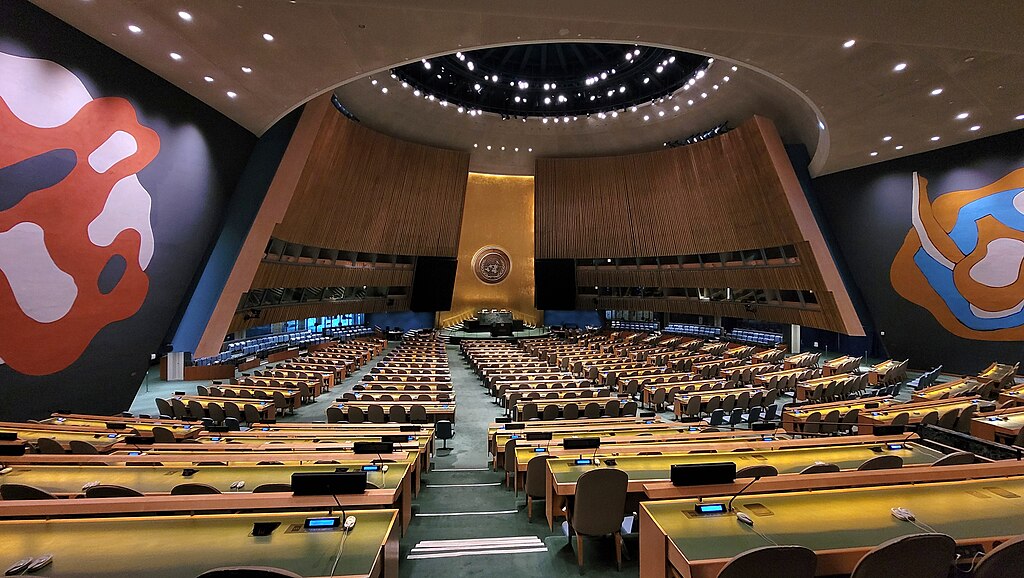
Tensions between the United States and Iran intensified at the United Nations as both countries exchanged sharp criticism over Tehran’s nuclear program and its appointment as a vice president at a key nuclear conference. The dispute unfolded during the opening of the 11th Review Conference of the Nuclear Non-Proliferation Treaty (NPT) in New York, a significant global event focused on nuclear disarmament and non-proliferation efforts.
The NPT conference, which reviews the implementation of the treaty established in 1970, selected 34 vice presidents through regional group nominations. Iran’s inclusion, backed by the Non-Aligned Movement and other states, sparked immediate backlash from U.S. officials. Christopher Yeaw, representing the U.S. Bureau of Arms Control and Nonproliferation, criticized the decision, calling it an “affront” to the treaty. He argued that Iran has consistently failed to meet its non-proliferation obligations and has not cooperated fully with the International Atomic Energy Agency (IAEA).
Iran strongly rejected these accusations. Reza Najafi, Tehran’s ambassador to the IAEA, dismissed the U.S. claims as politically motivated and unfounded. He countered by pointing out that the United States remains the only country to have used nuclear weapons and continues to modernize its arsenal, questioning Washington’s authority to judge compliance with the treaty.
The dispute comes amid heightened geopolitical tensions involving Iran, the United States, and Israel, where nuclear concerns remain central. U.S. President Donald Trump reiterated that Iran must never obtain nuclear weapons, reinforcing a long-standing U.S. policy stance. Meanwhile, Iran continues to assert its right to enrich uranium for peaceful purposes, although Western nations argue that such activities could lead to weapons development.
Adding to the complexity, Iranian officials have proposed delaying nuclear discussions until broader conflicts, including regional security and maritime disputes in the Gulf, are resolved. As diplomatic efforts continue, the clash at the UN highlights ongoing divisions over nuclear policy, global security, and the future credibility of the NPT framework.







