


 U.S. Launches Trade Investigation Into Germany’s Pharmaceutical Cost-Cutting Plans
  Samsung, SK Hynix to Unveil $1.3 Trillion AI and Semiconductor Investment Plan
  China Eastern Orders 25 Airbus A330neo Jets in $9.35 Billion Deal to Boost International Expansion
  Europe Heatwave Creates Growth Opportunity for Carrier, Trane, and Johnson Controls, Citi Says
  Australia Sues Amazon Over Prime Video Ads and Subscription Terms
  Morgan Stanley Raises Tesla Q2 Delivery Forecast on Strong Europe and China Demand
  Momenta Launches Hong Kong IPO to Raise Up to $751 Million for AI and Robotaxi Expansion
  Trump Announces September Overhaul of Washington’s East Potomac Golf Links
  Amazon Prime Day 2026 Sales Top $26.4 Billion as Shoppers Chase Discounts Amid Inflation
  Iran Launches Drone Attack on Bahrain After U.S. Strikes, Strait of Hormuz Tensions Escalate
  US-Iran De-Escalation Shifts Washington’s Focus to AI Regulation and Crypto Legislation
  Trump Administration Delays DeepSeek and CXMT Trade Blacklist Designations Amid U.S.-China Tensions
  Maria Corina Machado’s Return to Venezuela Faces U.S. Hesitation After Deadly Earthquakes
  Open-Source AI Models Gain Ground as Enterprises Seek Lower-Cost Alternatives, Citi Says
  Andy Burnham Sets Out Vision to Decentralize Britain as Labour Leadership Race Begins
  Italy Investigates Microsoft Over Microsoft 365 AI Subscription Price Hike
  Trump Urges Gasoline Retailers to Cut Prices to $2.50 Per Gallon, Warns of Legal Action


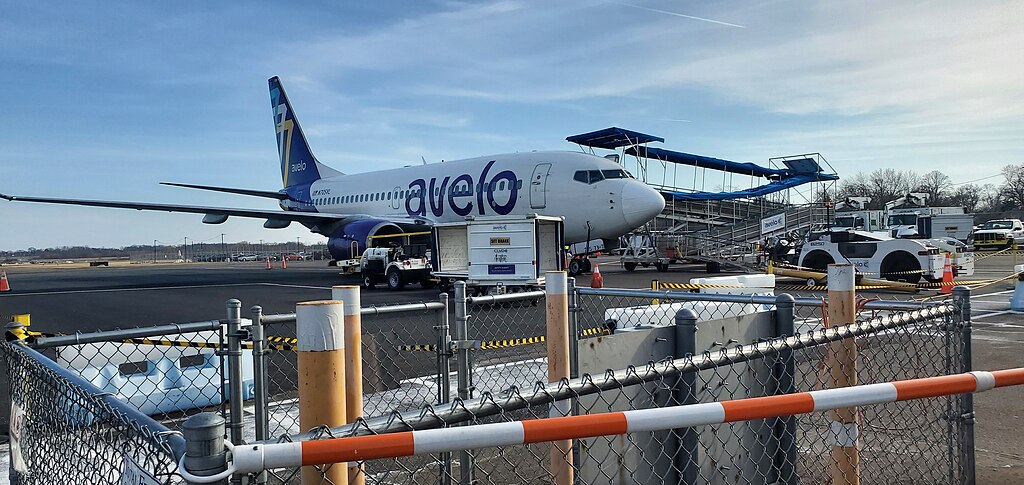
A group of U.S. budget airlines, including Frontier Airlines and Avelo Airlines, is reportedly pursuing $2.5 billion in government assistance to offset surging operational costs driven by rising jet fuel prices. According to a Wall Street Journal report, the carriers are proposing a deal in which the U.S. government would receive warrants that could later convert into equity stakes in the airlines, similar to previous pandemic-era bailout structures.
The push for financial relief comes as executives from several low-cost carriers recently met with Transportation Secretary Sean Duffy and Federal Aviation Administration (FAA) chief Bryan Bedford in Washington. Discussions are expected to continue, signaling growing urgency among budget airlines facing financial strain.
The requested $2.5 billion figure is based on projected increases in jet fuel expenses. Airlines estimate they will spend significantly more this year compared to earlier forecasts, assuming fuel prices remain above $4 per gallon. This spike has placed considerable pressure on margins, particularly for smaller and low-cost carriers that operate on thinner profit lines.
The situation highlights broader economic ripple effects tied to geopolitical tensions, including the ongoing Iran conflict, which has contributed to higher fuel prices globally. For budget airlines, the sharp rise in costs has nearly doubled fuel expenses, raising concerns about long-term sustainability and pushing some carriers closer to financial distress.
This request for aid comes as the U.S. government is also nearing a separate rescue deal for Spirit Airlines. The potential package could include up to $500 million in government-backed financing to support the airline through bankruptcy proceedings.
During the COVID-19 pandemic, the U.S. Treasury implemented a $54 billion airline support program that included warrants as part of the bailout structure. However, the government ultimately recovered only about $556.7 million from selling those warrants, with many proving to have limited value.
As talks continue, the outcome of these negotiations could significantly impact the future of low-cost air travel in the United States, as well as government policy on airline industry support.







