


 Bennett and Lapid Unite to Challenge Netanyahu in Upcoming Israeli Election
  U.S.-Iran Tensions Escalate as Strait of Hormuz Crisis Disrupts Global Oil Markets
  Strait of Hormuz Shipping Crisis Deepens as Traffic Plunges Amid Iran-U.S. Tensions
  China Conducts Live-Fire Drills Near Luzon as U.S.-Philippines Balikatan Exercises Expand
  King Charles to Join NYC Mayor at 9/11 Memorial During U.S. State Visit
  Trump Urges Iran to Call for Talks as War Stalemate Disrupts Oil Markets
  Romania Condemns Russian Drone Incident as NATO Tensions Rise
  India Slams “Hellhole” Remark Linked to Trump Post, Reaffirms Strong US Relations
  US Envoy Urges Taiwan to Approve Defense Budget Amid Rising China Tensions
  Ukraine Marks 40 Years Since Chornobyl Disaster Amid Ongoing War Risks
  U.S. and EU Strengthen Critical Minerals Partnership to Reduce China Dependence
  Bennett and Lapid Form Alliance to Challenge Netanyahu in Upcoming Israel Election
  Pope Leo Calls for Abolition of Death Penalty Amid U.S. Execution Policy Debate
  Iran Proposes Strait of Hormuz Reopening Deal Amid Stalled U.S. Talks
  Palestinian Local Elections Resume in Gaza and West Bank Amid Low Turnout and Ongoing Crisis
  Taiwan Minister Visits Eswatini Amid Airspace Dispute and China Pressure Claims


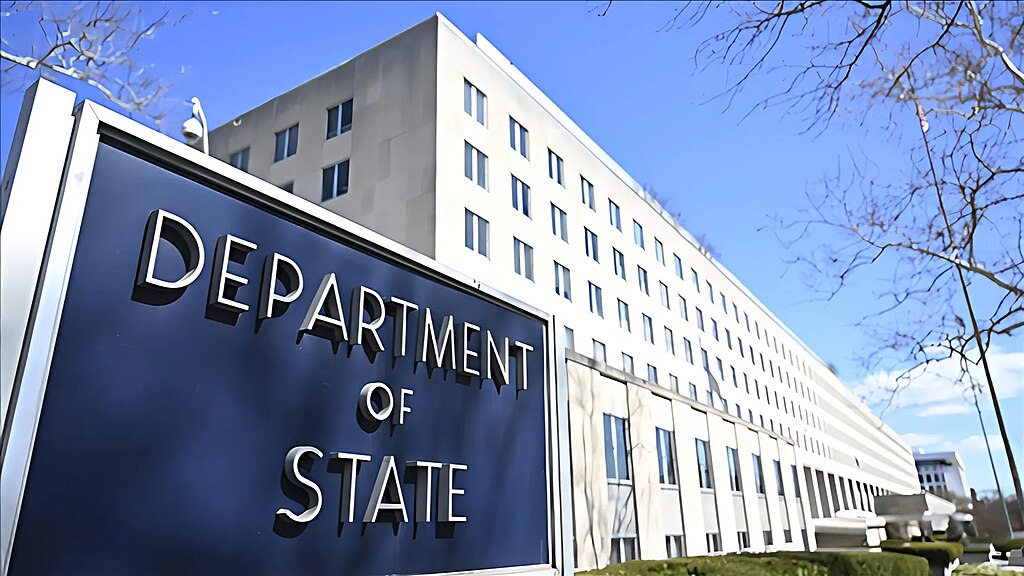
The United States has signed four new global health memorandums of understanding (MOUs) with Madagascar, Sierra Leone, Botswana, and Ethiopia, reinforcing its long-term commitment to strengthening global health security and combating priority disease threats. According to the U.S. State Department, the agreements represent nearly $2.3 billion in combined funding aimed at improving public health systems while promoting sustainability and accountability.
Under the new global health MOUs, the United States has committed almost $1.4 billion in financial support, while the four partner countries have pledged to co-invest more than $900 million of their own domestic resources. This shared funding model is designed to encourage local ownership, reduce long-term dependence on U.S. assistance, and ensure that investments translate into measurable health outcomes.
The State Department emphasized that each agreement includes clear performance benchmarks, strict timelines, and consequences for nonperformance. These provisions are intended to improve transparency, strengthen governance, and guarantee that U.S. global health assistance delivers tangible results. By tying funding to accountability, the MOUs aim to accelerate progress in addressing infectious diseases, health system resilience, and pandemic preparedness.
The agreements align with broader U.S. foreign policy and global health strategies that prioritize sustainable development, disease prevention, and stronger partnerships with low- and middle-income countries. Officials noted that the MOUs are structured to support national health priorities while enhancing local capacity to manage and respond to health challenges independently over time.
Global health experts view the agreements as a shift toward more results-driven international health cooperation. By combining significant U.S. funding with domestic investment from partner nations, the MOUs are expected to drive long-term improvements in healthcare delivery, workforce development, and disease surveillance.
The State Department described the initiative as a model for future global health partnerships, underscoring the importance of shared responsibility and measurable impact. As health threats continue to cross borders, the U.S. says these agreements demonstrate its commitment to collaborative, accountable, and sustainable global health investment.







