


 Argentina Economy Shrinks 1.5% in April, Recovery Under Milei Loses Momentum
  Trump Urges Gasoline Retailers to Cut Prices to $2.50 Per Gallon, Warns of Legal Action
  Gold Prices Drop as Fed Rate Outlook and Iran Tensions Weigh on Market
  Asian Stocks End Strong Quarter as Dollar Surges, Yen Hits 40-Year Low Ahead of US Jobs Data
  RBA Minutes Signal Australia Central Bank Remains Ready to Raise Interest Rates if Inflation Persists
  Maria Corina Machado’s Return to Venezuela Faces U.S. Hesitation After Deadly Earthquakes
  Despite its best efforts, Iran won’t be able to toll the Strait of Hormuz. Here’s why
  Global Financial Firms Shift Asia Expansion Focus to South Korea as China, India Face Caution
  Gold Price Hits Annual Low as Fed Rate Hike Bets and Sticky Inflation Weigh on Bullion
  US Stock Futures Steady as Investors Await Payrolls Data and Monitor Iran Tensions
  China Expands Export Controls, Adds 20 Japanese Companies to Restricted List
  Canada Grants C$7 Million to Greenland Molybdenum Mine to Strengthen Critical Minerals Supply
  Russian Attacks Kill Four in Ukraine as Zaporizhzhia and Kharkiv Come Under Fire
  Iran Launches Drone Attack on Bahrain After U.S. Strikes, Strait of Hormuz Tensions Escalate
  Australia Plans Higher Fines for Social Media Firms Failing to Block Underage Users
  Australia, Vanuatu Sign Security Pact Amid Pacific Influence Competition


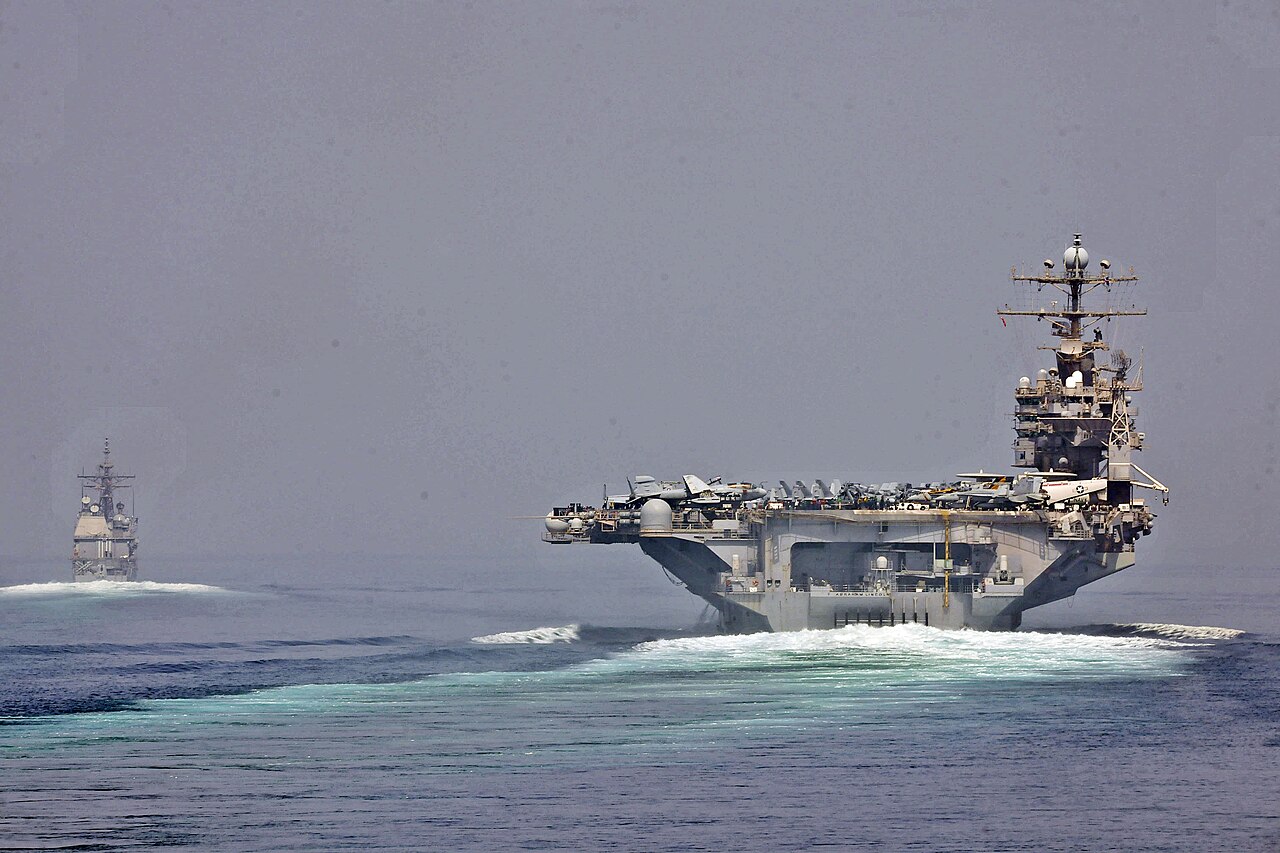
Geopolitical tensions between the United States and Iran continue to intensify, significantly impacting global energy markets and international diplomacy. U.S. naval forces recently intercepted a sanctioned vessel, the M/V Sevan, in the Arabian Sea as part of ongoing efforts to curb Iranian oil exports. The ship, linked to Iran’s “shadow fleet,” was carrying energy products such as propane and butane and is now being escorted back toward Iran under U.S. orders . This move highlights the broader U.S. strategy to limit Iran’s access to global energy markets.
At the same time, diplomatic efforts have stalled. Former President Donald Trump canceled a planned visit by U.S. envoys to Pakistan, citing dissatisfaction with Iran’s negotiation stance. Iranian officials have also signaled reluctance to engage directly with the United States, instead relying on intermediaries. This breakdown in communication has further complicated efforts to resolve the ongoing conflict, now stretching into weeks.
The situation has escalated militarily, with Iran warning of potential retaliation if U.S. actions continue. Iranian defense authorities have emphasized their readiness, while the U.S. maintains a naval presence aimed at enforcing restrictions and clearing mines in the Strait of Hormuz. Experts suggest that mine-clearing operations could take months, prolonging disruptions in one of the world’s most critical oil transit routes.
The Strait of Hormuz, responsible for roughly 20% of global oil shipments, has seen a dramatic decline in traffic, dropping from around 130 vessels per day to fewer than five. This disruption has driven oil prices above $105 per barrel, fueling market volatility and raising concerns about global economic stability.
Despite some optimism about possible negotiations, uncertainty remains high. With rising casualties, increasing fuel prices, and no clear diplomatic resolution, the U.S.-Iran conflict continues to pose a serious threat to global energy supply and economic growth.







