


 Trump Announces September Overhaul of Washington’s East Potomac Golf Links
  Serbia Protests Continue as Thousands Rally Despite Vucic’s Resignation Plan
  Andy Burnham Sets Out Vision to Decentralize Britain as Labour Leadership Race Begins
  Javier Milei Cabinet Chief Manuel Adorni Resigns Amid Spending Scandal Investigation
  China Expands Export Controls, Adds 20 Japanese Companies to Restricted List
  Maria Corina Machado’s Return to Venezuela Faces U.S. Hesitation After Deadly Earthquakes
  Supreme Court Backs Lisa Cook, Defends Federal Reserve Independence Against Trump Firing Attempt
  Trump Questions Housing Bill as He Prioritizes SAVE America Act
  Australia, Vanuatu Sign Security Pact Amid Pacific Influence Competition
  Taiwan Coast Guard Officer Finds Strength in Faith as China Increases Pressure in Taiwan Strait
  US, Iran Agree to Halt Attacks Ahead of Doha Talks on Strait of Hormuz
  US Strikes Iran Again After Strait of Hormuz Tanker Attack Escalates Ceasefire Tensions
  Mexico, U.S. Launch Sterile Fly Facility to Combat New World Screwworm Outbreak
  Despite its best efforts, Iran won’t be able to toll the Strait of Hormuz. Here’s why
  Trump Threatens 100% Tariffs on Countries Imposing Digital Services Taxes on U.S. Tech Firms


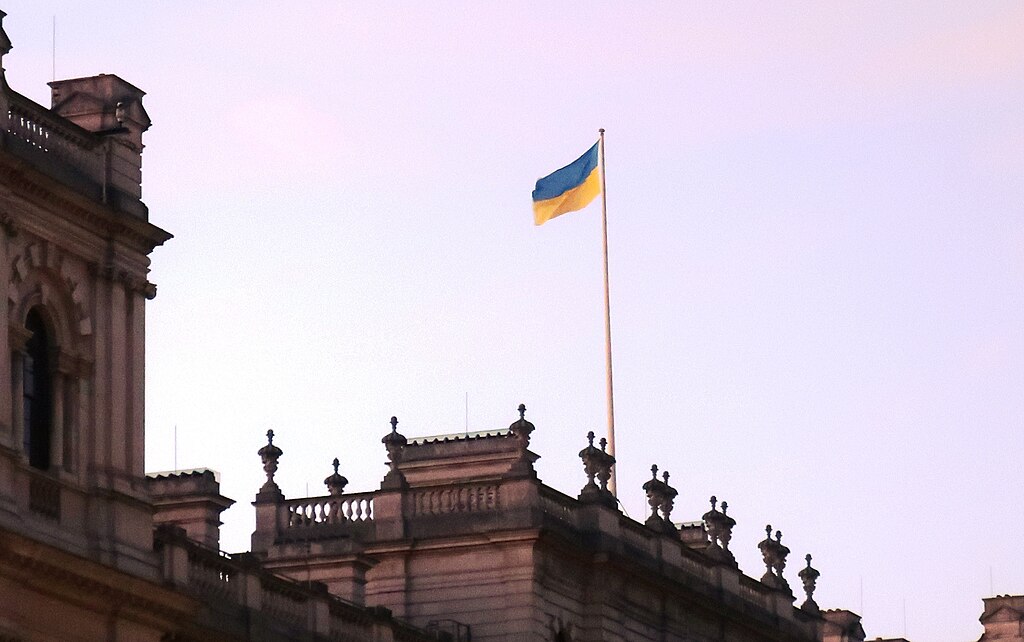
Ukraine is commemorating the 40th anniversary of the Chornobyl nuclear disaster under the shadow of continued conflict with Russia, raising fresh concerns about nuclear safety in the region. The 1986 explosion at reactor four of the Chornobyl nuclear power plant remains the worst nuclear disaster in history, and today’s war has intensified fears of another potential catastrophe.
Ukrainian officials report that Russian missiles and drones have repeatedly flown near the Chornobyl site while targeting cities across the country. In 2025, a drone strike damaged part of the plant’s protective structure, a massive steel and concrete shield installed in 2016 to contain radioactive material. Although no radiation leaks were detected, experts warn that repairs—estimated at over 500 million euros—are urgently needed to maintain the structure’s integrity.
The Ukrainian government has linked the original disaster to Soviet-era mismanagement, citing unsafe reactor testing and attempts to conceal the scale of the incident. Decades later, the consequences remain severe. Millions were exposed to harmful radiation, hundreds of thousands were displaced, and large areas of land across Europe were contaminated. Long-term health effects, including cancer-related deaths, are still debated among scientists.
Recent data from Ukrainian authorities indicates that at least 92 Russian drones have passed within five kilometers of the Chornobyl containment zone since mid-2024. This ongoing military activity near a sensitive nuclear site has alarmed both local officials and international observers.
Despite the risks, the exclusion zone surrounding the plant has become a place of unusual calm. Located about 100 kilometers north of Kyiv, the area is largely deserted, with wildlife such as moose and wild horses roaming freely. Around 2,250 workers continue to manage the plant’s decommissioning, which began after its final reactor was shut down in 2000.
As Ukraine marks this somber anniversary, the Chornobyl disaster serves as a powerful reminder of the long-lasting dangers of nuclear accidents—now compounded by the realities of modern warfare.







