


 Israel Expands Southern Lebanon Buffer Zone Despite Fragile Ceasefire with Hezbollah
  Peru Election Crisis Deepens as Electoral Chief Piero Corvetto Resigns Amid Delayed Results
  UN Secretary-General Race 2027: Key Candidates Competing to Replace Antonio Guterres
  Canada-USMCA Review 2026: No Collapse Expected Despite July 1 Deadline
  US Sanctions Target Iran Weapons Network Amid Rising Tensions
  Global Military Talks in London Aim to Reopen Strait of Hormuz and Protect Shipping
  Trump Maintains Iran Naval Blockade as Ceasefire Deadline Nears
  Iran Warns U.S. Ceasefire Extension Could Signal Surprise Military Strike
  Iran Open to U.S. Talks in Pakistan if Pressure Policy Ends, Official Says
  Iran Condemns U.S. Port Blockade as ‘Act of War,’ Raising Ceasefire Concerns
  Argentina’s Milei Pushes Electoral Reform to End Mandatory Primaries
  Philippines Says U.S. Access to EDCA Bases Limited by Land Issues and Delays
  Trump Nominates Economist Christopher Phelan as Chief Economic Adviser
  Virginia Redistricting Vote Boosts Democrats Ahead of Midterm Elections
  Pakistan Halts $1.5 Billion Sudan Arms Deal After Saudi Arabia Withdraws Support
  USMCA Talks Set to Resume as Mexico Signals New Round of Trade Negotiations
  France Supports Lebanon-Israel Negotiations Without Direct Role, Says Macron


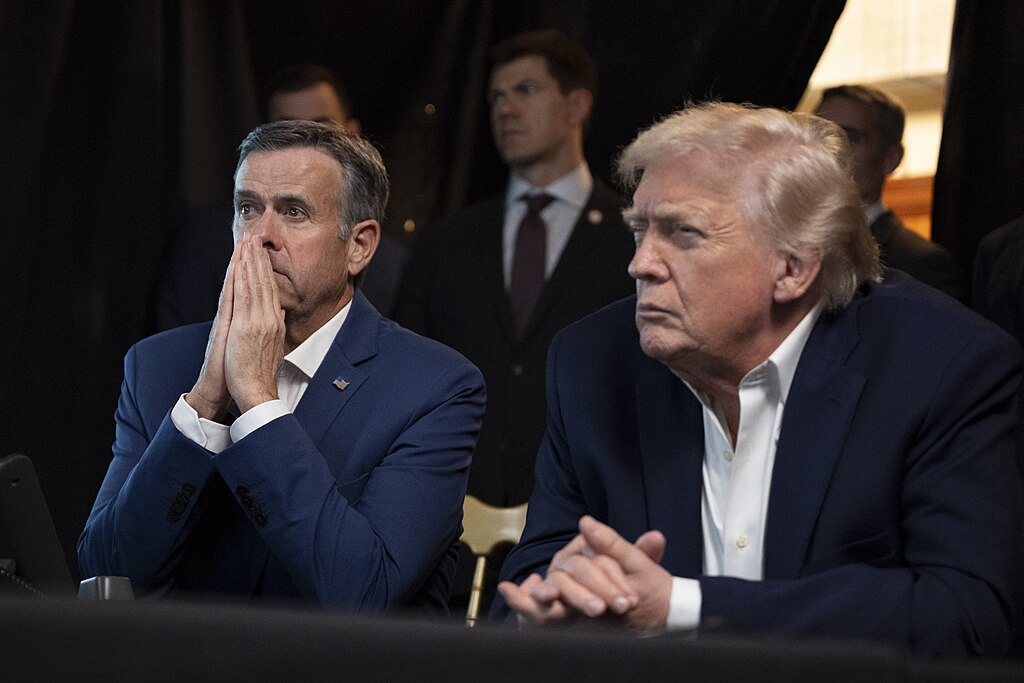
U.S. President Donald Trump announced on Tuesday that the ceasefire involving Iran will be extended, signaling a temporary pause in escalating tensions while diplomatic efforts continue. The decision comes as Iranian officials work on submitting a unified proposal, which Trump indicated is necessary before further actions are taken. This development has drawn global attention as it reflects ongoing geopolitical negotiations in the Middle East.
In a statement shared on Truth Social, Trump explained that the extension was made at the request of Pakistan, which urged the United States to delay potential military action. According to Trump, this pause will allow Iranian leaders and representatives additional time to organize and present a comprehensive proposal that could shape the next phase of discussions. The move highlights Pakistan’s involvement as a mediator and underscores the importance of international cooperation in conflict resolution.
Trump emphasized that while the ceasefire remains in place, the U.S. military has been instructed to maintain its current strategic position. This includes continuing the blockade and staying fully prepared for any potential developments. The administration’s stance reflects a balance between maintaining pressure and allowing diplomatic channels to remain open.
The extension of the Iran ceasefire is seen as a critical step in preventing further escalation while negotiations unfold. Analysts suggest that this period could be pivotal in determining whether a long-term agreement is achievable or if tensions may rise again. Trump’s decision indicates a willingness to engage in dialogue while ensuring that U.S. forces remain ready if talks do not lead to a satisfactory outcome.
As global markets and political observers closely monitor the situation, the focus now shifts to Iran’s next move. The submission of a unified proposal will likely play a key role in shaping future U.S.-Iran relations and influencing stability in the region.







