


 Andy Burnham Sets Out Vision to Decentralize Britain as Labour Leadership Race Begins
  Javier Milei Cabinet Chief Manuel Adorni Resigns Amid Spending Scandal Investigation
  Trump Signs Memorandum Backing Americans’ Right to Repair Their Own Vehicles
  Trump Threatens 100% Tariffs on Countries Imposing Digital Services Taxes on U.S. Tech Firms
  Despite its best efforts, Iran won’t be able to toll the Strait of Hormuz. Here’s why
  Maria Corina Machado’s Return to Venezuela Faces U.S. Hesitation After Deadly Earthquakes
  Russian Attacks Kill Four in Ukraine as Zaporizhzhia and Kharkiv Come Under Fire
  Trump Suspends Some Morocco Fertilizer Tariffs to Ease U.S. Supply Shortage
  Iran Launches Drone Attack on Bahrain After U.S. Strikes, Strait of Hormuz Tensions Escalate
  Russian Attacks on Dnipro, Zaporizhzhia, and Kharkiv Kill 10 as Ukraine Vows Response
  Australia, Vanuatu Sign Security Pact Amid Pacific Influence Competition
  Ukraine Strikes Russian Titan-Barrikady Plant With Long-Range FP-5 Flamingo Missile
  Sheinbaum Says No One Is Above the Law After Abuse Video of Ex-Pemex Chief Emerges
  Serbia President Aleksandar Vucic to Resign, Calls Early Elections After Months of Protests
  Trump Questions Housing Bill as He Prioritizes SAVE America Act


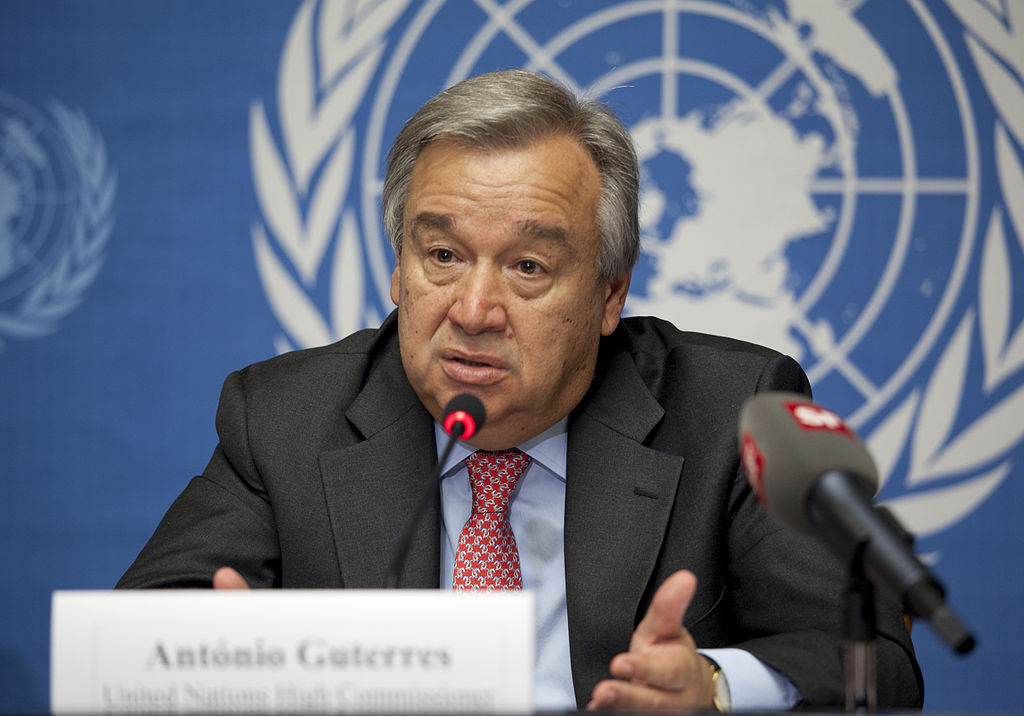
The race to select the next United Nations Secretary-General is gaining momentum as global leaders position themselves for the top diplomatic role. The 10th UN chief will assume office on January 1, 2027, for a five-year term, succeeding Antonio Guterres. Several high-profile candidates have already emerged, each bringing distinct experience in international relations, governance, and multilateral cooperation.
Rafael Grossi of Argentina, currently leading the International Atomic Energy Agency (IAEA), is widely viewed as a frontrunner. With over six years heading the UN nuclear watchdog, Grossi has played a central role in addressing global nuclear challenges, including Iran’s nuclear program and the Ukraine crisis. Known for his active diplomacy and ability to engage major global powers like the United States, China, and Russia, Grossi has built a reputation as a results-driven leader. However, critics argue his approach toward Iran has been overly conciliatory.
Rebecca Grynspan, a seasoned economist and former vice president of Costa Rica, presents herself as a reform-focused multilateralist. As head of the UN Conference on Trade and Development (UNCTAD), she has championed sustainable development and global economic cooperation. Grynspan is also campaigning on gender equality and could become the first woman to lead the United Nations. Her leadership style emphasizes collaboration and modernization of UN systems.
Michelle Bachelet, former president of Chile and ex-UN High Commissioner for Human Rights, brings extensive political and diplomatic experience. Despite losing official backing from Chile, she continues her campaign with support from Brazil and Mexico. Her candidacy has sparked debate, particularly among U.S. conservatives, over her human rights record and policy positions.
Macky Sall, former president of Senegal, highlights his leadership experience and focus on development in Africa. Advocating for UN Security Council reform and greater representation for developing nations, Sall aims to reshape global governance structures.
As the UN Secretary-General election approaches, geopolitical alliances and Security Council support will play a decisive role in determining the next global leader.







