


 Trump Signs Memorandum Backing Americans’ Right to Repair Their Own Vehicles
  Russian Attacks on Dnipro, Zaporizhzhia, and Kharkiv Kill 10 as Ukraine Vows Response
  Despite its best efforts, Iran won’t be able to toll the Strait of Hormuz. Here’s why
  Trump Announces September Overhaul of Washington’s East Potomac Golf Links
  Russian Attacks Kill Four in Ukraine as Zaporizhzhia and Kharkiv Come Under Fire
  Trump Threatens 100% Tariffs on Countries Imposing Digital Services Taxes on U.S. Tech Firms
  Andy Burnham Sets Out Vision to Decentralize Britain as Labour Leadership Race Begins
  Serbia President Aleksandar Vucic to Resign, Calls Early Elections After Months of Protests
  Maria Corina Machado Vows Return to Venezuela After Earthquakes Despite Obstacles
  Russia Intensifies Assault on Kostiantynivka as Ukraine’s Donetsk Defense Faces Mounting Pressure
  China Expands Export Controls, Adds 20 Japanese Companies to Restricted List
  Australia Plans Higher Fines for Social Media Firms Failing to Block Underage Users
  Ukraine Strikes Russian Titan-Barrikady Plant With Long-Range FP-5 Flamingo Missile
  US, Iran Agree to Halt Attacks Ahead of Doha Talks on Strait of Hormuz
  Israeli Airstrike Kills Three in Central Gaza Despite Ceasefire
  Iran Skips U.S. Technical Talks Over Unmet MoU Conditions and Frozen Funds Dispute


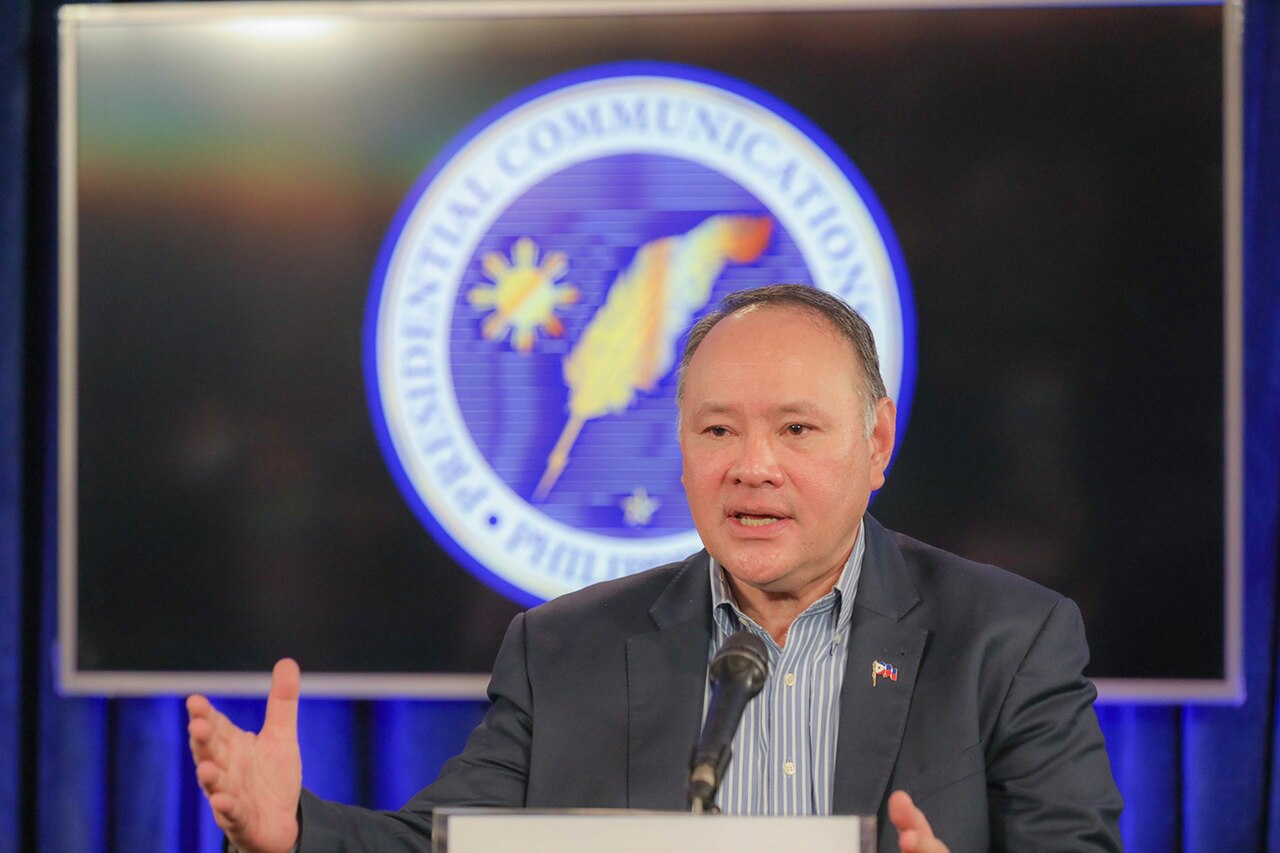
Philippine Defense Secretary Gilberto Teodoro has revealed that the use of military bases accessible to the United States under the Enhanced Defense Cooperation Agreement (EDCA) remains limited, citing unresolved land concerns and slow project execution. Speaking in a recent interview with ABS-CBN, Teodoro described the current utilization of these sites as “marginal,” emphasizing that legal and tenurial issues continue to hinder development efforts.
The Philippines and the United States, long-standing treaty allies, signed the EDCA more than a decade ago to strengthen defense cooperation and regional security. The agreement allows U.S. forces to maintain a rotational presence in designated Philippine military bases without establishing permanent installations. In 2023, President Ferdinand Marcos Jr. expanded the number of EDCA sites from five to nine, strategically including locations facing Taiwan and the South China Sea—areas of growing geopolitical significance.
Despite this expansion, progress in developing the EDCA sites has been slower than expected. Teodoro acknowledged that delays have affected infrastructure upgrades and operational readiness. Some bases, he noted, still lack essential components such as an air force presence, limiting their effectiveness in joint military operations. While he did not specify which locations are most affected, the defense chief admitted that bureaucratic challenges and land ownership issues have slowed down implementation.
The announcement comes as the Philippines and the United States conduct their annual “Balikatan” military exercises, scheduled from April 20 to May 8. This year’s drills are set to be the largest on record, with participation from allied nations including Japan, Australia, Canada, France, and New Zealand. The exercises highlight the growing emphasis on multilateral defense cooperation in the Indo-Pacific region.
As tensions continue to rise in nearby waters, improving the functionality of EDCA sites remains a key priority for both Manila and Washington. However, overcoming land disputes and accelerating infrastructure development will be critical to fully realizing the agreement’s strategic potential.







