


 Pakistan Signals Progress in Bringing Iran to U.S. Talks Amid Ceasefire Deadline Pressure
  Rumen Radev Wins Bulgaria Election in Landslide, Signals Potential Shift in EU Relations
  Rising U.S.-Iran Conflict Fuels Oil Market Volatility and Ceasefire Uncertainty
  Gaza Violence Continues Despite Ceasefire as Israeli Strikes and Clashes Escalate
  Virginia Redistricting Vote Boosts Democrats Ahead of Midterm Elections
  France Supports Lebanon-Israel Negotiations Without Direct Role, Says Macron
  China Expands Global Influence Amid Taiwan Tensions and Gulf Crisis
  Iran Condemns U.S. Port Blockade as ‘Act of War,’ Raising Ceasefire Concerns
  Philippines Says U.S. Access to EDCA Bases Limited by Land Issues and Delays
  US-Iran Peace Talks Fuel Market Optimism Amid Ongoing Tensions
  US Sanctions Target Iran Weapons Network Amid Rising Tensions
  Trump Administration Files Fraud Charges Against Southern Poverty Law Center Over Informant Payments
  Pakistan Halts $1.5 Billion Sudan Arms Deal After Saudi Arabia Withdraws Support
  Carney Warns Canada Must Rethink U.S. Ties Amid Trade Tensions and Sovereignty Concerns
  USMCA Talks Set to Resume as Mexico Signals New Round of Trade Negotiations
  UN Secretary-General Race 2027: Key Candidates Competing to Replace Antonio Guterres
  Argentina’s Milei Pushes Electoral Reform to End Mandatory Primaries


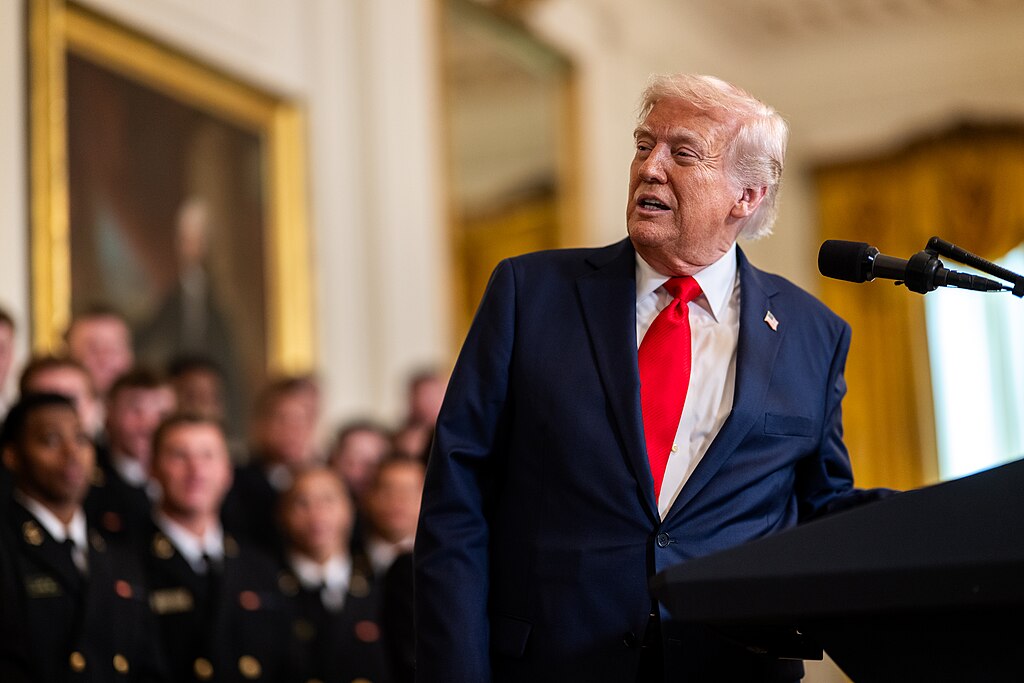
U.S. President Donald Trump has nominated University of Minnesota economist Christopher Phelan to serve as his next chief economic adviser, according to a White House announcement on Tuesday. If confirmed by the Senate, Phelan will take over a key role in shaping U.S. economic policy and advising the administration on fiscal and monetary strategies.
Phelan’s nomination follows a leadership change within the Council of Economic Advisers (CEA). The vacancy arose after former CEA Chair Stephen Miran was appointed to the Federal Reserve’s Board of Governors. Miran had stepped down from his White House role in February, honoring a prior commitment made during his Senate confirmation process.
With nearly two decades of academic experience, Christopher Phelan has built a strong reputation in the field of economics. He has served as a professor at the University of Minnesota’s Department of Economics for approximately 19 years, contributing to research and teaching in macroeconomics and policy analysis. In addition to his academic work, Phelan previously held a position as a senior economist at the Federal Reserve Bank of Minneapolis, giving him valuable insight into central banking and economic policy development.
Phelan earned his PhD in Economics from the University of Chicago, a globally recognized institution known for producing leading economists. His combination of academic expertise and real-world policy experience positions him as a notable candidate for the role of chief economic adviser.
If approved, Phelan will play a critical role in guiding the Trump administration’s economic agenda, particularly at a time when financial markets and policy decisions remain under close scrutiny. His nomination is expected to draw attention from lawmakers and economists alike as the Senate review process moves forward.







