


 Rising U.S.-Iran Conflict Fuels Oil Market Volatility and Ceasefire Uncertainty
  Rumen Radev Wins Bulgaria Election in Landslide, Signals Potential Shift in EU Relations
  Trump Nominates Economist Christopher Phelan as Chief Economic Adviser
  Gaza Violence Continues Despite Ceasefire as Israeli Strikes and Clashes Escalate
  Sharif Welcomes Trump’s Ceasefire Extension in U.S.-Israel-Iran Conflict
  Iran Open to U.S. Talks in Pakistan if Pressure Policy Ends, Official Says
  Argentina’s Milei Pushes Electoral Reform to End Mandatory Primaries
  Iran Condemns U.S. Port Blockade as ‘Act of War,’ Raising Ceasefire Concerns
  Pakistan Signals Progress in Bringing Iran to U.S. Talks Amid Ceasefire Deadline Pressure
  U.S. Labor Secretary Lori Chavez-DeRemer Steps Down, Deputy to Serve as Acting Chief
  Virginia Redistricting Vote Boosts Democrats Ahead of Midterm Elections
  Pakistan Halts $1.5 Billion Sudan Arms Deal After Saudi Arabia Withdraws Support
  Israel Expands Southern Lebanon Buffer Zone Despite Fragile Ceasefire with Hezbollah
  Philippines Says U.S. Access to EDCA Bases Limited by Land Issues and Delays
  Trump Administration Files Fraud Charges Against Southern Poverty Law Center Over Informant Payments
  France Supports Lebanon-Israel Negotiations Without Direct Role, Says Macron
  Global Military Talks in London Aim to Reopen Strait of Hormuz and Protect Shipping


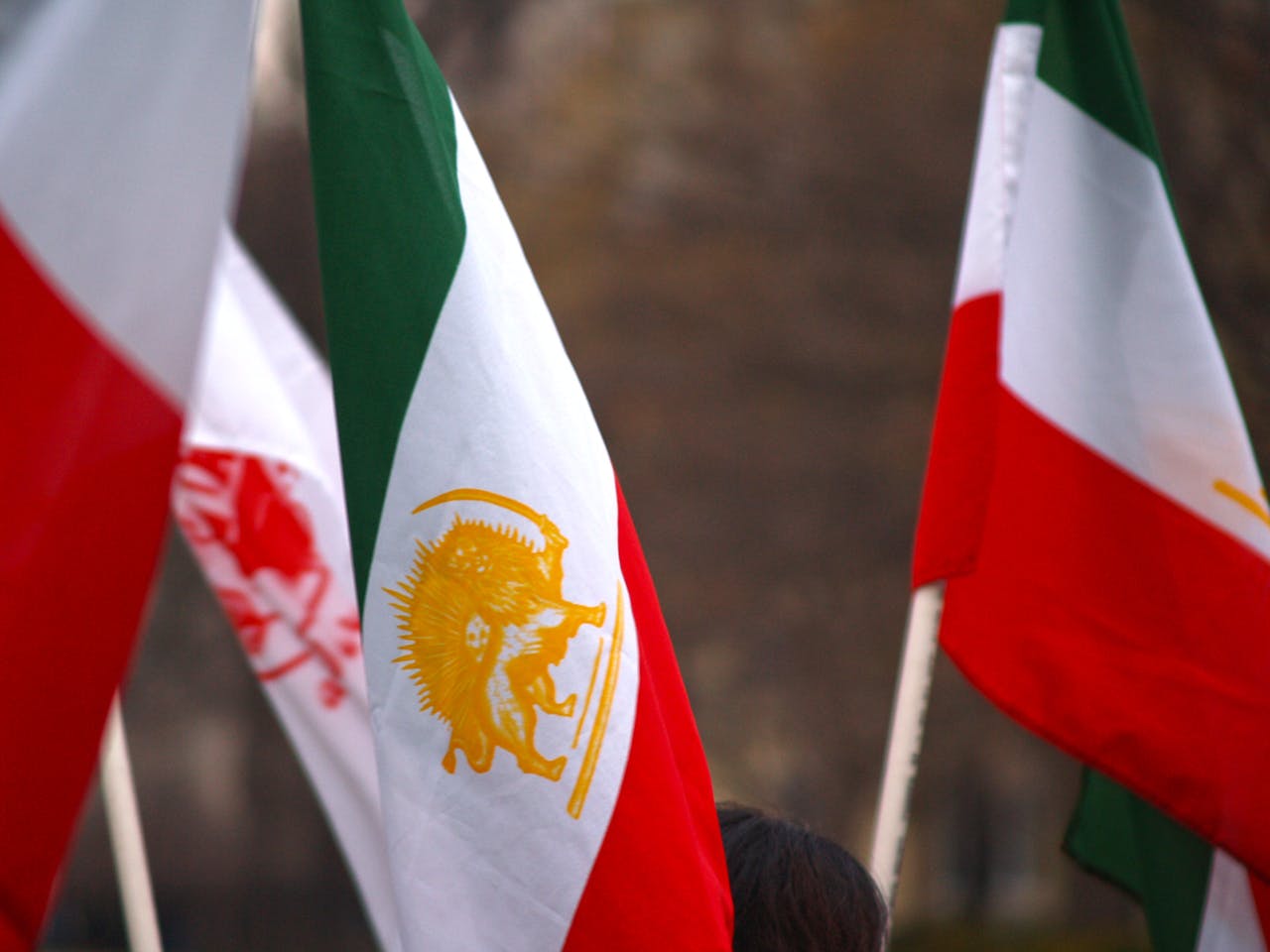
Tensions between the United States and Iran continue to escalate after an advisor to Iran’s parliament speaker, Mohammad Baqer Qalibaf, claimed that U.S. President Donald Trump’s ceasefire extension may be a strategic move designed to buy time for a potential surprise attack. The statement, posted on X, reflects growing suspicion within Iranian leadership about U.S. intentions in the region and adds to already heightened geopolitical uncertainty.
According to the advisor, the extension of the ceasefire should not be interpreted as a genuine effort toward peace or de-escalation. Instead, it is viewed as a calculated tactic that allows the United States to regroup and prepare for possible military action. This perspective aligns with Iran’s long-standing concerns over U.S. foreign policy in the Middle East, particularly regarding military presence and economic pressure.
The situation is further complicated by the continued U.S. blockade on Iranian ports. Iranian officials argue that this blockade is economically and strategically damaging, equating it to an act of aggression similar to direct military bombardment. The advisor emphasized that such actions cannot go unanswered, suggesting that Iran may consider a military response if the pressure persists.
This development has raised alarm among international observers, as any escalation between the U.S. and Iran could have significant global consequences, including disruptions to oil markets and regional stability. Analysts note that rhetoric from both sides has become increasingly confrontational, reducing the likelihood of diplomatic resolution in the near term.
The latest statements highlight the fragile nature of U.S.-Iran relations and underscore the importance of diplomatic engagement to prevent further escalation. As tensions rise, global stakeholders are closely monitoring the situation, hoping to avoid a conflict that could have far-reaching implications.







