


 Australia Plans Higher Fines for Social Media Firms Failing to Block Underage Users
  Trump Suspends Some Morocco Fertilizer Tariffs to Ease U.S. Supply Shortage
  Mexico, U.S. Launch Sterile Fly Facility to Combat New World Screwworm Outbreak
  Russia Intensifies Assault on Kostiantynivka as Ukraine’s Donetsk Defense Faces Mounting Pressure
  China Expands Export Controls, Adds 20 Japanese Companies to Restricted List
  US, Iran Agree to Halt Attacks Ahead of Doha Talks on Strait of Hormuz
  Supreme Court Backs Lisa Cook, Defends Federal Reserve Independence Against Trump Firing Attempt
  Russian Attacks on Dnipro, Zaporizhzhia, and Kharkiv Kill 10 as Ukraine Vows Response
  Canada Grants C$7 Million to Greenland Molybdenum Mine to Strengthen Critical Minerals Supply
  Iran Skips U.S. Technical Talks Over Unmet MoU Conditions and Frozen Funds Dispute
  Andy Burnham Sets Out Vision to Decentralize Britain as Labour Leadership Race Begins
  Trump Announces September Overhaul of Washington’s East Potomac Golf Links
  Maria Corina Machado Vows Return to Venezuela After Earthquakes Despite Obstacles
  Javier Milei Cabinet Chief Manuel Adorni Resigns Amid Spending Scandal Investigation
  Despite its best efforts, Iran won’t be able to toll the Strait of Hormuz. Here’s why
  Israeli Airstrike Kills Three in Central Gaza Despite Ceasefire


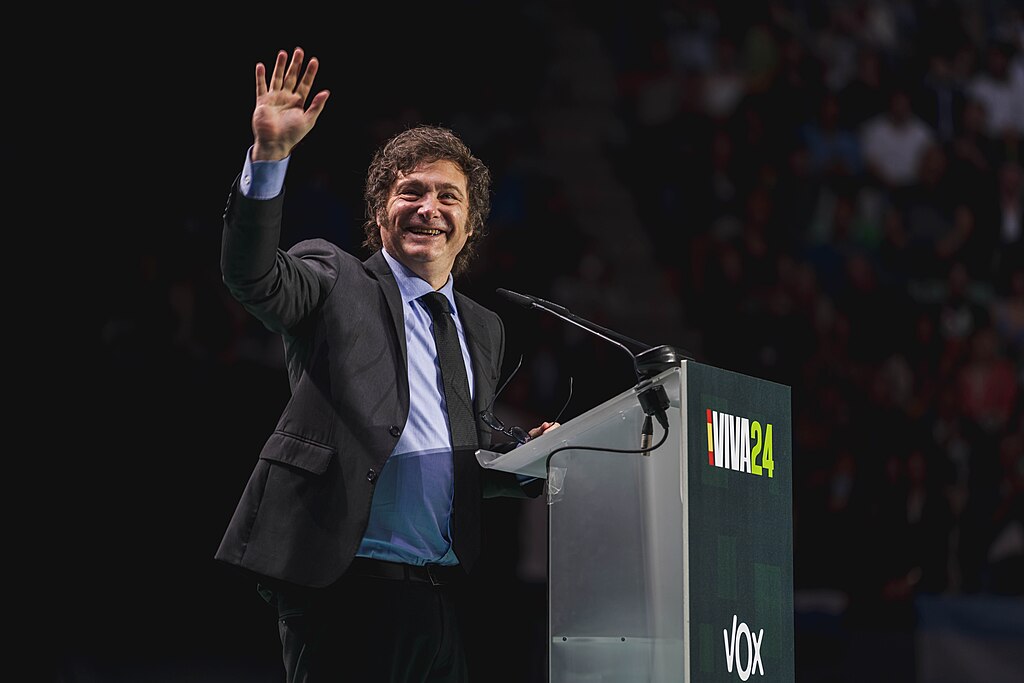
Argentine President Javier Milei announced plans to introduce a sweeping electoral reform bill to Congress, aiming to reshape the country’s political landscape and voting system. The proposal, set to be submitted on Wednesday, focuses on eliminating mandatory primary elections, a key feature of Argentina’s current electoral framework.
Milei’s reform agenda reflects his broader effort to streamline government processes and reduce public spending. Mandatory primary elections, known locally as PASO (Primarias Abiertas, Simultáneas y Obligatorias), require all political parties to participate in nationwide primaries. Critics, including Milei, argue that these elections are costly and inefficient, placing an unnecessary burden on taxpayers. By removing this requirement, the administration hopes to simplify the election process and improve efficiency.
In addition to ending compulsory primaries, the proposed electoral reform bill includes significant changes to campaign financing rules. The government aims to increase transparency and accountability in political funding, addressing long-standing concerns about corruption and misuse of resources. Stricter regulations on campaign contributions and spending are expected to play a central role in the overhaul.
Another major component of the proposal is a ban on individuals with criminal convictions from running for public office. This measure is designed to strengthen ethical standards in politics and restore public trust in government institutions. Supporters argue that it will help ensure that elected officials meet higher integrity standards, while critics may raise concerns about implementation and fairness.
Milei’s electoral reform plan is likely to spark intense debate in Congress and across Argentina. As the government pushes forward with its agenda, the outcome of this proposal could significantly impact the country’s democratic processes, political transparency, and future elections.







