


 U.S.-Iran Conflict Stalls as Diplomatic Efforts Collapse and Global Oil Tensions Rise
  Russian Drone Strike on Odesa Injures Civilians and Damages Key Infrastructure
  Erdogan Condemns White House Correspondents’ Dinner Shooting, Voices Support for Trump
  Taiwan Minister Visits Eswatini Amid Airspace Dispute and China Pressure Claims
  Palestinian Local Elections Resume in Gaza and West Bank Amid Low Turnout and Ongoing Crisis
  China Conducts Live-Fire Drills Near Luzon as U.S.-Philippines Balikatan Exercises Expand
  U.S. Warns Allies Over Alleged Chinese AI IP Theft Linked to DeepSeek
  Ukraine Marks 40 Years Since Chornobyl Disaster Amid Ongoing War Risks
  Trump Gala Security Scare: Suspect Arrested After Attempted Attack on U.S. Officials
  Strait of Hormuz Shipping Crisis Deepens as Traffic Plunges Amid Iran-U.S. Tensions
  Bennett and Lapid Form Alliance to Challenge Netanyahu in Upcoming Israel Election
  Iran-U.S. Tensions Escalate Amid Ceasefire Talks and Global Oil Disruptions
  US Envoy Urges Taiwan to Approve Defense Budget Amid Rising China Tensions
  U.S. Budget Airlines Seek $2.5 Billion Government Aid Amid Rising Jet Fuel Costs
  Trump Urges Iran to Call for Talks as War Stalemate Disrupts Oil Markets
  Russian Drone and Missile Strikes Devastate Dnipro, Killing 10 and Injuring Dozens


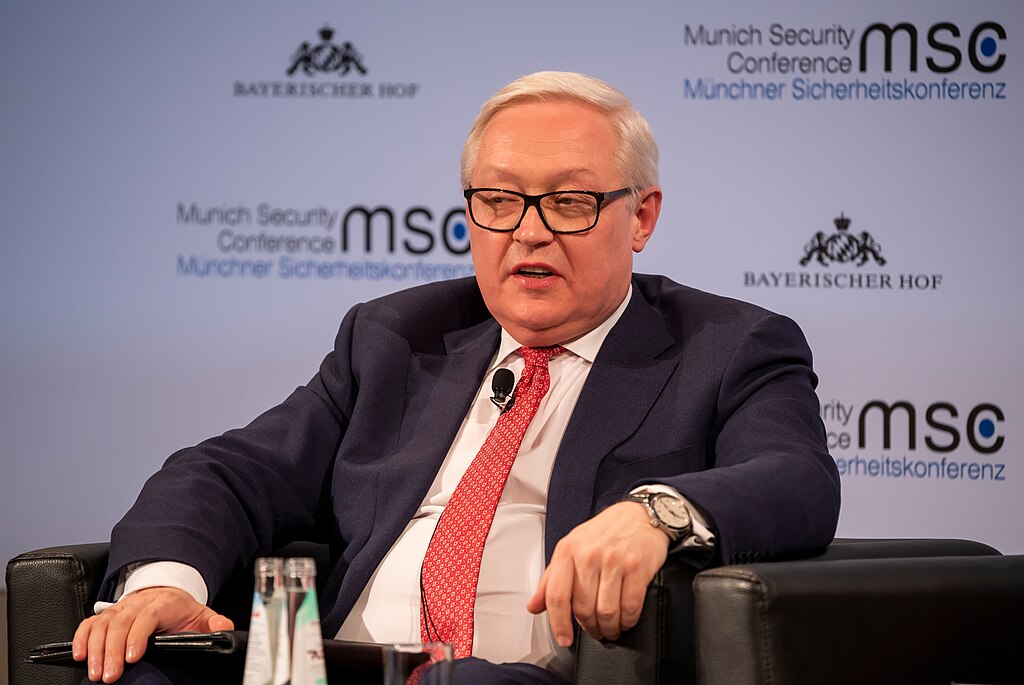
Russia has declared it is prepared for a new global security reality in which there are no U.S.-Russian nuclear arms control limits, as the New START treaty is set to expire this week. The landmark agreement, signed in 2010, has capped deployed strategic nuclear warheads at 1,550 and has been the last remaining treaty limiting the world’s two largest nuclear arsenals.
Russian Deputy Foreign Minister Sergei Ryabkov, Moscow’s top arms control official, said Russia is ready for life after New START if no last-minute agreement is reached. Speaking to Russian news agencies during a visit to Beijing for strategic stability consultations, Ryabkov described the moment as a “new reality,” emphasizing that Moscow has adapted to the possibility of having no formal constraints on long-range strategic nuclear weapons for the first time in more than 50 years.
The treaty’s expiration on Thursday would leave both countries without legally binding limits or verification mechanisms. While Russia has proposed continuing to observe the treaty’s missile and warhead limits for one additional year to allow further negotiations, the United States has not formally responded. Ryabkov noted that the absence of a reply effectively signals Washington’s position.
U.S. President Donald Trump previously indicated he would allow New START to expire, raising concerns among arms control advocates in both countries. Supporters warn that the end of the treaty could undermine transparency, erode trust, and increase the risk of a renewed nuclear arms race.
The breakdown of New START reflects a broader unraveling of nuclear arms control agreements established after the 1962 Cuban Missile Crisis. Tensions between Russia and the West over Ukraine, along with growing U.S. concerns about China’s nuclear capabilities, have further complicated efforts to maintain strategic stability. Although the United States has urged China to join arms control talks, Beijing has shown no willingness to participate, a position Russia says it respects.
Former U.S. President Barack Obama has urged Congress to act, warning that letting the treaty lapse would erase decades of diplomacy and make the world less safe. Former Russian President Dmitry Medvedev echoed these concerns, suggesting the treaty’s expiration could accelerate the symbolic “Doomsday Clock.” Ryabkov also cautioned that expanded U.S. missile defense deployments, including potential systems in Greenland, could prompt Russia to take countermeasures, adding to global security risks.







