


 US Confirms Weapons in Orbit as Space Tensions Rise
  Trump Open to Chinese Automakers Building Cars in US
  U.S. Imposes New Visa Restrictions Over South Africa Policies
  Philippines Holds Historic Bangsamoro Election Amid Tight Security
  Saudi Arabia Raises Security Alerts as Houthi Attacks Threaten Oil Routes
  Bill Gates Warns Governments Are Unprepared for AI Disruption
  South Korea’s Cho Hyun to Meet Rubio in Washington
  Ukraine Tests New Anti-Drone Weapon After Successful Shahed Intercept
  Rodrigo Duterte Makes First Public Appearance at ICC in 18 Months
  Judge Blocks Trump Rule Limiting Foreign Student Visas
  Sweden Election: Centre-Left Holds Narrow Lead
  Guterres Urges Stronger Global AI Safeguards Ahead of UN Assembly
  Takaichi-Backed Koja Wins Okinawa Governor Race
  Kim Jong Un Pledges Deeper Russia Cooperation
  Houthis Escalate Saudi Attacks as Red Sea Oil Risks Grow
  US Immigration Arrests Surge as Deportations Lag Behind
  Lula, Flavio Bolsonaro Deadlocked in Brazil Election Polls


 Add as a preferred source on Google
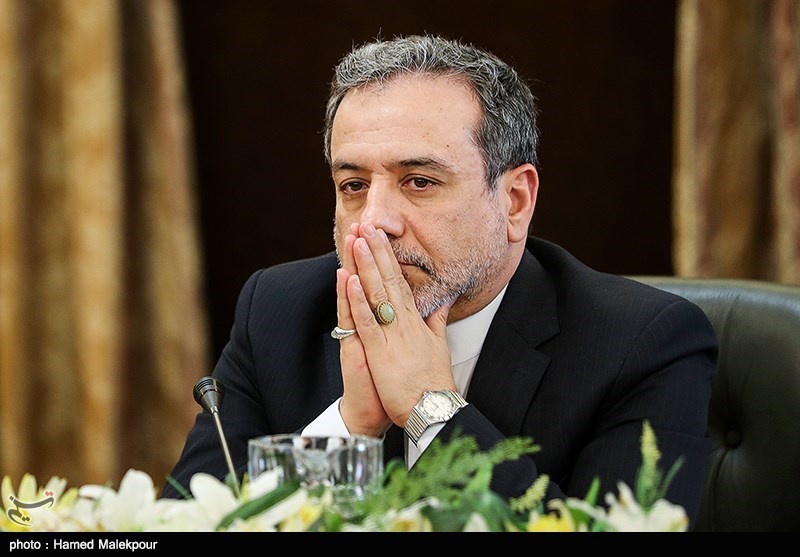
Iran’s Foreign Minister Abbas Araqchi outlined the country’s firm stance and concerns over U.S. demands during high-level discussions in Islamabad, as diplomatic efforts continue to end a devastating conflict that has shaken global markets. The war, which began after U.S.-Israeli airstrikes on Iran in late February, has led to thousands of casualties and significant geopolitical instability.
Despite renewed diplomatic activity, Iran has rejected direct negotiations with the United States. Instead, Tehran is using Pakistan as a mediator to communicate its position. Iranian officials emphasized that they would not agree to what they describe as “maximalist demands,” particularly regarding the U.S. call for Iran to abandon its nuclear ambitions under strict verification measures.
The ongoing conflict has had a profound impact on global energy markets. Iran’s control over the Strait of Hormuz, a critical route for nearly 20% of the world’s oil supply, has disrupted shipping and caused oil prices to surge. Recent data shows a dramatic drop in daily ship traffic through the strait, highlighting the severity of the blockade and its economic consequences.
Although a temporary ceasefire is in place, tensions remain high. Iran has continued military actions in the region, targeting U.S. bases and allies, while also warning of further retaliation if the blockade persists. Meanwhile, the U.S. government has indicated cautious optimism, noting some progress in negotiations and signaling willingness to continue diplomatic efforts.
The conflict has also disrupted air travel across the Middle East, with thousands of flights canceled or rerouted. However, recent developments suggest a gradual return to normalcy, as international flights resume from Tehran’s main airport.
As both sides navigate complex negotiations, the situation remains fragile. The outcome of these talks will be crucial not only for regional stability but also for global economic recovery, particularly in energy markets heavily affected by the crisis.







