


 Google Secures Pentagon AI Deal for Classified Projects
  Trump White House Dinner Attack: Secret Service Denies Friendly Fire in Agent Shooting
  Trump Administration Dismisses Entire National Science Board, Raising Concerns Over Scientific Independence
  U.S. Raises Alarm Over Chinese AI Firms’ Alleged IP Theft Through Model Distillation
  US Gaza Coordination Overhaul Raises Concerns Over Ceasefire and Aid Efforts
  Panama Defends Port Takeover Amid U.S.-China Tensions and Canal Dispute
  Rising Tensions in US-Europe Relations Amid Trump Policies and Iran War
  U.S. Allows Iran Players in 2026 World Cup but Bars IRGC-Linked Individuals
  Lebanon Political Divide Complicates Saudi Push for Israel Negotiations
  Japan Eases Arms Export Rules, Opening Door for Potential Ukraine Defense Support
  U.S. Budget Airlines Seek $2.5 Billion Government Aid Amid Rising Jet Fuel Costs
  Trump Considers Withdrawing U.S. Troops from Italy and Spain Amid NATO Tensions
  US to Withdraw 5,000 Troops from Germany Amid Growing Rift with European Allies
  Medicare to Cover GLP-1 Weight-Loss and Diabetes Drugs Starting July 1
  Iran Threatens Prolonged Strikes as Strait of Hormuz Crisis Drives Global Oil Surge
  FBI Warns of China’s Expanding Hack-for-Hire Network Amid Extradition Case


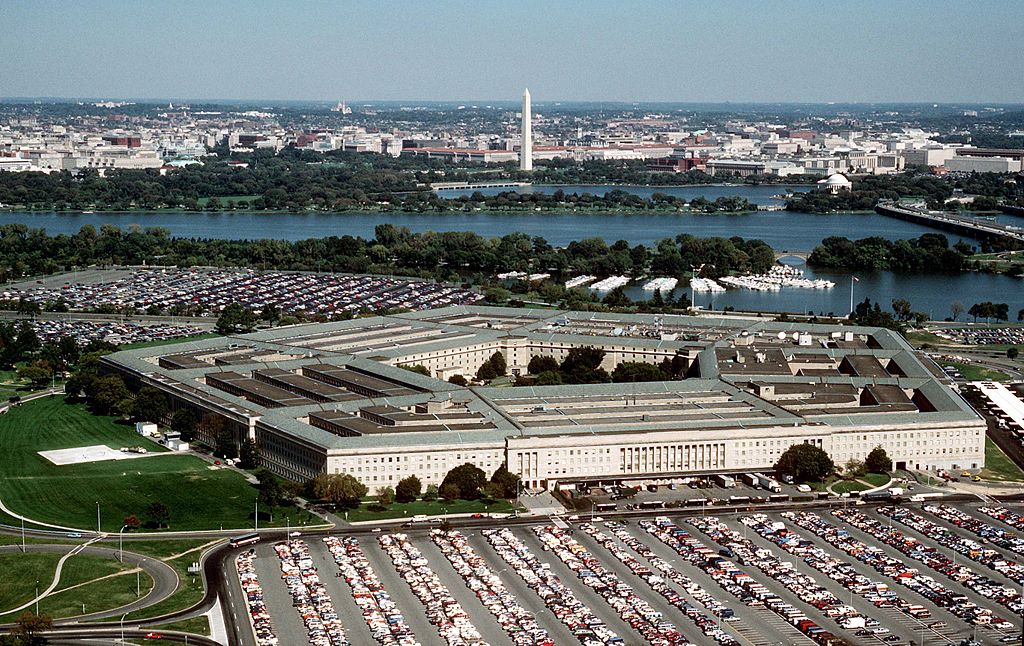
The U.S. Department of Defense will stop sending military officers to professional courses and graduate programs at Ivy League universities beginning in the 2026–27 academic year, Defense Secretary Pete Hegseth announced Friday. The decision marks a significant shift in Pentagon education policy and reflects the Trump administration’s broader stance toward elite academic institutions.
In a video statement posted on X, Hegseth said the Pentagon would immediately cancel all Department of Defense attendance at institutions including Princeton, Columbia, MIT, Brown, and Yale, among others, starting next academic year. He criticized Ivy League schools, claiming they have become “factories of anti-American resentment and military disdain” despite receiving substantial taxpayer funding over the years.
The move expands on earlier action taken this month, when Hegseth said he would terminate professional military education programs, fellowships, and certificate partnerships with Harvard University. The Pentagon’s decision effectively ends long-standing collaborations that allowed U.S. military officers to pursue advanced degrees and specialized training at some of the nation’s most prestigious universities.
The policy change comes amid increased scrutiny of higher education institutions by the Trump administration. Federal officials have raised concerns over diversity, equity, and inclusion initiatives, transgender policies, and campus protests related to Israel’s military actions in Gaza. The administration has signaled it will reassess government funding and partnerships with universities it views as out of alignment with its national security and cultural priorities.
By ending these academic programs, the Defense Department is reshaping how military leaders receive advanced education and strategic training. While supporters argue the move protects taxpayer dollars and reinforces patriotic values, critics warn it could limit exposure to diverse perspectives and academic expertise that have historically informed U.S. defense strategy.
The announcement is likely to intensify debate over the role of elite universities in national defense and the future of military education policy in the United States.







