


 China Expands Export Controls, Adds 20 Japanese Companies to Restricted List
  Trump Urges Gasoline Retailers to Cut Prices to $2.50 Per Gallon, Warns of Legal Action
  Asian Currencies Stay Range-Bound as Investors Eye China Data, RBNZ Outlook and U.S.-Iran Ceasefire
  Australia, Vanuatu Sign Security Pact Amid Pacific Influence Competition
  Russian Attacks on Dnipro, Zaporizhzhia, and Kharkiv Kill 10 as Ukraine Vows Response
  Ukraine Strikes Russian Titan-Barrikady Plant With Long-Range FP-5 Flamingo Missile
  US Strikes Iran Again After Strait of Hormuz Tanker Attack Escalates Ceasefire Tensions
  Javier Milei Cabinet Chief Manuel Adorni Resigns Amid Spending Scandal Investigation
  Global Financial Firms Shift Asia Expansion Focus to South Korea as China, India Face Caution
  Israeli Airstrike Kills Three in Central Gaza Despite Ceasefire
  Trump Suspends Some Morocco Fertilizer Tariffs to Ease U.S. Supply Shortage
  Yen Falls to 40-Year Low as Markets Watch Japan Intervention and U.S. Jobs Report
  Oil Prices Rise as US-Iran Tensions Threaten Strait of Hormuz Oil Shipments
  US Stock Futures Rise as US-Iran Ceasefire Hopes Boost Market Sentiment
  Japan Targets 1%+ Real Economic Growth With ¥370 Trillion Investment Plan
  Iran Skips U.S. Technical Talks Over Unmet MoU Conditions and Frozen Funds Dispute
  Asian Stocks Slip as US-Iran Ceasefire Hopes Lift Oil, Dollar Strength Persists


U.S. President Donald Trump has expressed dissatisfaction with Iran’s latest proposal for renewed talks, signaling continued deadlock in efforts to resolve the ongoing U.S.-Iran conflict. Despite a ceasefire reached on April 8, tensions remain high as both nations struggle to find common ground on key issues, including Iran’s nuclear program and control of the strategically vital Strait of Hormuz.
Trump stated that the Iranian proposal included demands he could not accept, describing Iran’s leadership as divided and inconsistent. While negotiations are still taking place through indirect communication channels, the lack of progress suggests the conflict—now over two months old—may continue. The war has been widely unpopular among Americans, placing additional pressure on the administration to find a diplomatic solution.
Meanwhile, U.S. relations with European allies have also come under strain. Washington announced the withdrawal of 5,000 troops from Germany following criticism from German Chancellor Friedrich Merz, who questioned the U.S. strategy and accused Iran of undermining American authority. A Pentagon official responded by calling the remarks unhelpful and defended Trump’s reaction.
Iran’s Foreign Minister Abbas Araqchi signaled openness to diplomacy but insisted the United States must shift its “aggressive approach” and tone down its rhetoric. At the same time, Iran has strengthened its military readiness, activating air defenses amid fears of potential U.S. or Israeli strikes.
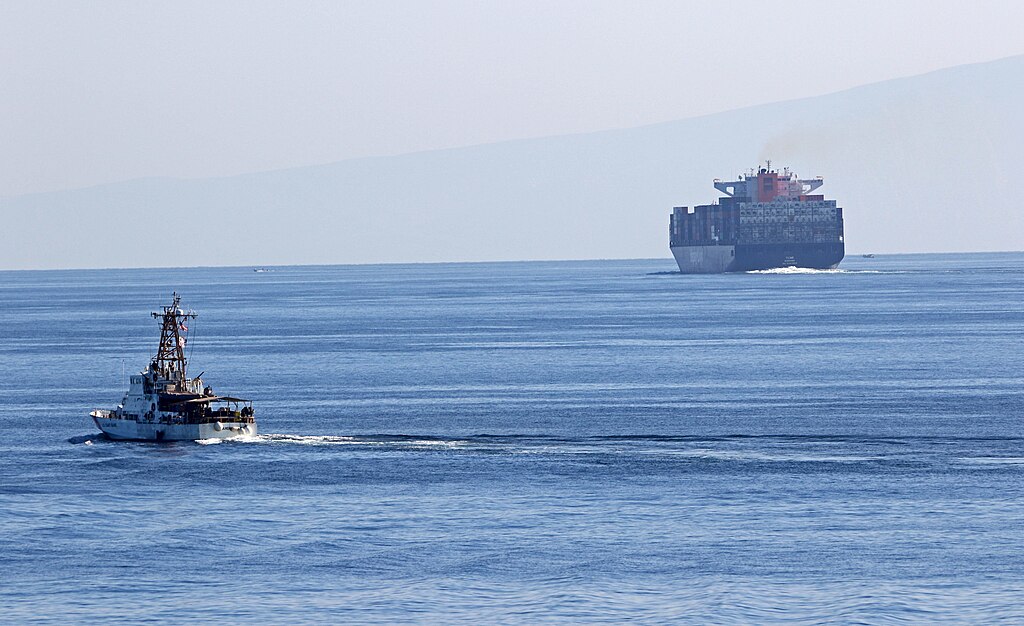
The ongoing standoff has had major global economic implications. The partial closure of the Strait of Hormuz, a critical route for about 20% of the world’s oil supply, has disrupted energy markets. Although oil prices recently dipped slightly, they remain near multi-year highs, raising concerns about a broader economic slowdown.
The U.S. Navy continues to enforce a blockade on Iranian oil exports, while new sanctions threaten shipping companies engaging with Iran. Despite economic pressure, Iran appears prepared to endure a prolonged confrontation. Global leaders, including China, are urging both sides to maintain the ceasefire and reopen vital trade routes to prevent further instability.







