


 US, Iran Agree to Halt Attacks Ahead of Doha Talks on Strait of Hormuz
  Trump Signs Memorandum Backing Americans’ Right to Repair Their Own Vehicles
  Ukraine Strikes Russian Titan-Barrikady Plant With Long-Range FP-5 Flamingo Missile
  Supreme Court Backs Lisa Cook, Defends Federal Reserve Independence Against Trump Firing Attempt
  Russian Attacks on Dnipro, Zaporizhzhia, and Kharkiv Kill 10 as Ukraine Vows Response
  Trump Questions Housing Bill as He Prioritizes SAVE America Act
  Canada Grants C$7 Million to Greenland Molybdenum Mine to Strengthen Critical Minerals Supply
  Trump Urges Gasoline Retailers to Cut Prices to $2.50 Per Gallon, Warns of Legal Action
  Australia Plans Higher Fines for Social Media Firms Failing to Block Underage Users
  China Expands Export Controls, Adds 20 Japanese Companies to Restricted List
  Serbia President Aleksandar Vucic to Resign, Calls Early Elections After Months of Protests
  Trump Suspends Some Morocco Fertilizer Tariffs to Ease U.S. Supply Shortage
  Australia, Vanuatu Sign Security Pact Amid Pacific Influence Competition
  Maria Corina Machado’s Return to Venezuela Faces U.S. Hesitation After Deadly Earthquakes
  Russia Intensifies Assault on Kostiantynivka as Ukraine’s Donetsk Defense Faces Mounting Pressure
  Iran Launches Drone Attack on Bahrain After U.S. Strikes, Strait of Hormuz Tensions Escalate


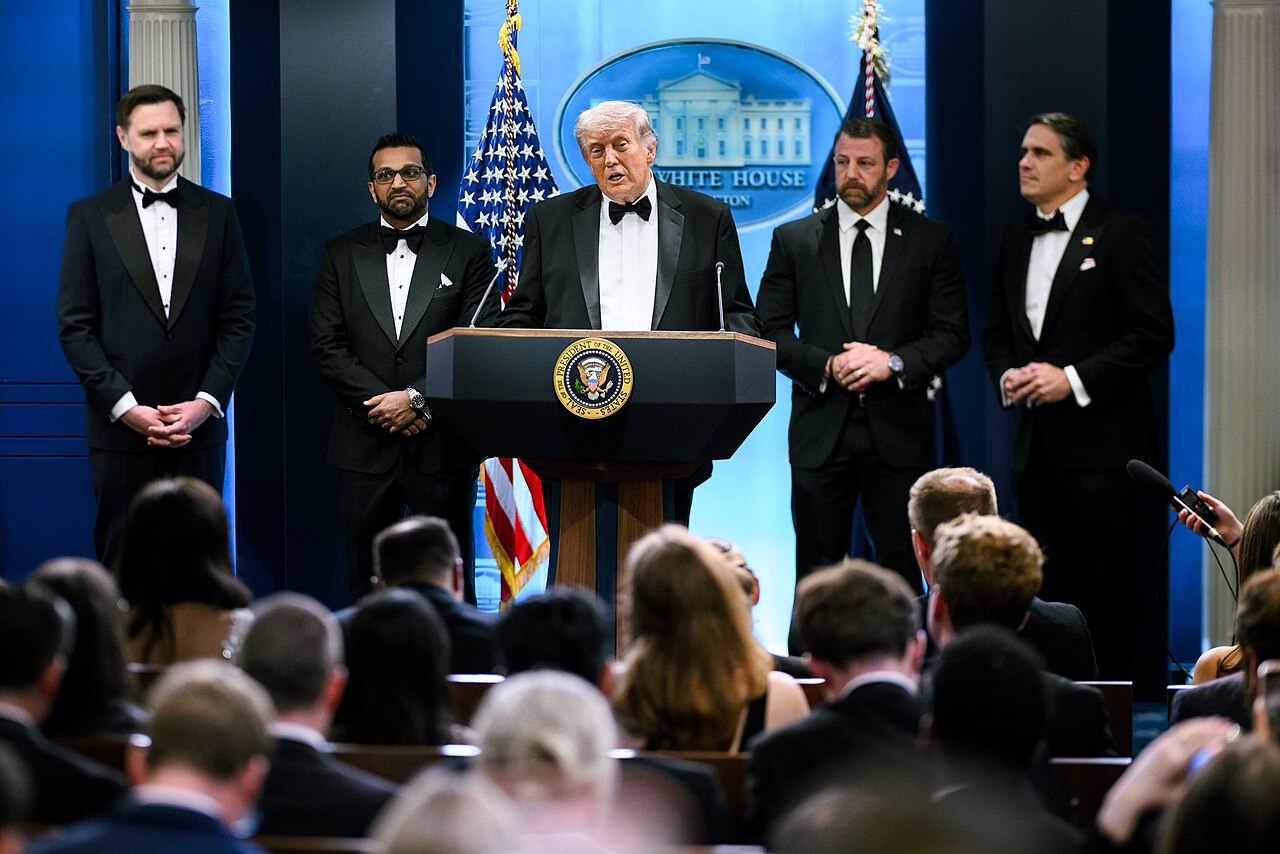
Recent developments in US-Europe relations have raised concerns among global leaders as tensions escalate due to policy disagreements and political rhetoric. European officials are increasingly uneasy following a series of strong criticisms and strategic decisions by former U.S. President Donald Trump, particularly regarding the ongoing Iran war and transatlantic cooperation.
Trump openly criticized German Chancellor Friedrich Merz, calling him ineffective after Merz voiced opposition to U.S. actions in Iran. Additionally, the Pentagon announced plans to withdraw 5,000 troops from Germany, alongside increased tariffs on European Union vehicles—moves expected to heavily impact Germany’s economy. The United Kingdom has also faced pressure, with Trump targeting Prime Minister Keir Starmer and threatening steep import tariffs.
The strain extends to NATO alliances, where the U.S. has considered punitive measures against members perceived as unsupportive of its military operations. These actions include discussions about suspending Spain from NATO and reassessing U.S. recognition of the Falkland Islands as a UK territory. European diplomats describe the situation as unpredictable, signaling a shift back to earlier tensions seen during Trump’s presidency.
Despite efforts by European leaders such as Merz, Starmer, and Italy’s Giorgia Meloni to stabilize relations through diplomacy and trade agreements, tensions persist. Even leaders known for maintaining good relations with Trump have faced criticism, highlighting the challenges of navigating this complex political landscape.
Experts suggest that European countries are adopting a more measured approach, avoiding immediate reactions while maintaining firm policy positions. At the same time, there is a growing push within Europe to strengthen military capabilities and reduce reliance on traditional alliances.
As geopolitical dynamics evolve, the future of transatlantic relations remains uncertain. However, Europe’s commitment to maintaining cooperation with the United States continues, even as both sides adjust to shifting political and strategic realities.







