


 India Plans Tax Reforms to Boost Foreign Investment and Manufacturing
  US Embassies Urge Americans to Leave Middle East as Iran Tensions Escalate
  Rebecca Cooke to Challenge Derrick Van Orden in Key Wisconsin Race
  AI Data Center Boom Faces New Risks as Public Backlash and Policy Scrutiny Grow
  FCC Steps Up China Tech Crackdown as Beijing Pushes Back
  25 Democratic-Led States Sue Trump Administration Over New Global Tariffs
  US, Colombia Weigh Joint Strikes on Armed Groups in Expanded Anti-Drug Campaign
  Trump Orders U.S. Navy to Return to Steam Catapults for Aircraft Carriers
  Taiwan Slams ‘Dangerous’ China-Indonesia Naval Drill Near Island
  Bashar al-Assad Sentenced to Death After Syria Regime Collapse
  Nigel Farage Faces Count Binface in Clacton Election Test
  DOJ Rescinds Anti-Weaponization Fund Ahead of Todd Blanche Senate Confirmation Vote
  Iran Eyes New Development Bank Membership as BRICS Pushes Local Currency Trade
  Albanese Says AUKUS ‘Full Steam Ahead’ After Trump Call
  Canada, US Hold Fresh Trade Talks as August 19 Tariff Deadline Nears
  FAA to Pause Reagan National Airport Flights for Freedom 250 IndyCar Race


 Add as a preferred source on Google
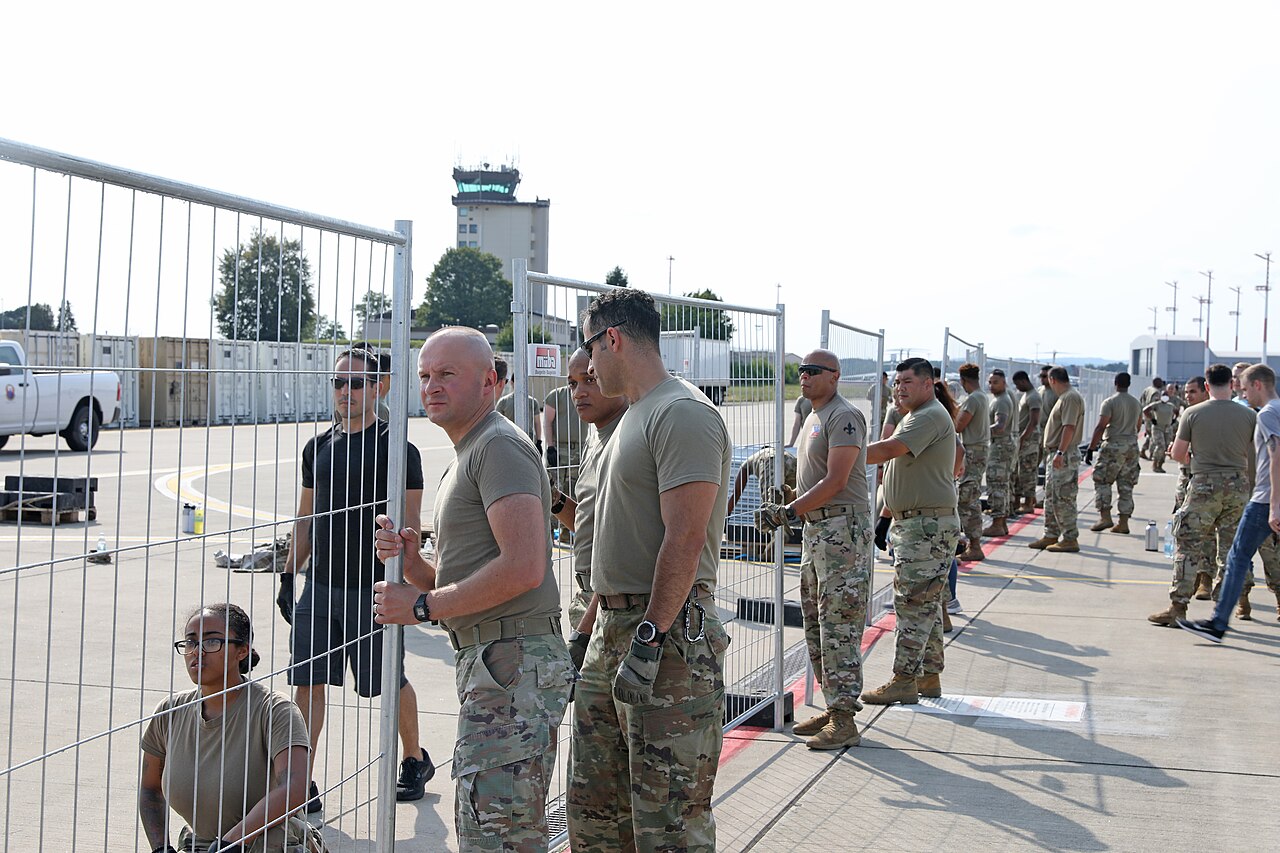
The United States is set to withdraw approximately 5,000 troops from Germany, signaling rising tensions between Washington and its European allies amid the ongoing Iran conflict. The Pentagon confirmed the move, which will be carried out over the next six to twelve months, reducing the current U.S. military presence in Germany, where about 35,000 personnel are stationed.
This decision follows a public disagreement between President Donald Trump and German Chancellor Friedrich Merz. Trump reportedly reacted strongly after Merz criticized U.S. strategy in the Iran war, describing Iran’s stance in negotiations as humiliating for Washington. A senior Pentagon official noted that Germany’s remarks were viewed as “unhelpful,” prompting the administration’s response.
The troop reduction will bring U.S. force levels in Europe closer to pre-2022 numbers, before the military buildup triggered by Russia’s invasion of Ukraine. The move also reflects the Trump administration’s broader push for European nations to take greater responsibility for regional security.
Tensions are not limited to Germany. Trump has also criticized other NATO allies, including Spain and Italy, for their lack of support in U.S. operations against Iran. Spain, for instance, refused to allow its bases and airspace to be used in military actions, leading Trump to threaten trade measures. He has also questioned whether to reduce troop deployments in countries like Italy and Spain.
Additionally, disputes have emerged over NATO allies’ reluctance to assist in securing the Strait of Hormuz, a critical oil shipping route disrupted by the Iran conflict. These disagreements have raised concerns about unity within NATO and the future of transatlantic relations.
Despite the withdrawal being smaller than earlier proposals, analysts warn it could deepen divisions between the United States and Europe. Experts suggest European nations may accelerate defense spending as trust in U.S. leadership declines. The withdrawal also includes canceling planned deployments, such as a long-range fires battalion intended for Germany.
As geopolitical tensions continue, the move underscores shifting dynamics in global security and the evolving role of NATO alliances.







