


 US Waives Iran Sanctions for 60 Days as Peace Talks Advance and Lebanon Sees Calm
  Trump Signs Memorandum Backing Americans’ Right to Repair Their Own Vehicles
  Iran Skips U.S. Technical Talks Over Unmet MoU Conditions and Frozen Funds Dispute
  Maria Corina Machado Vows Return to Venezuela After Earthquakes Despite Obstacles
  Trump Suspends Some Morocco Fertilizer Tariffs to Ease U.S. Supply Shortage
  Super Micro Shares Slide After Taiwan Raids Over Alleged Nvidia AI Chip Smuggling Probe
  Russia Intensifies Assault on Kostiantynivka as Ukraine’s Donetsk Defense Faces Mounting Pressure
  Trump Administration Closes Delta Air Lines Investigation Over 2024 CrowdStrike Outage
  China Adds MP Materials, USA Rare Earth to Export Control List Amid Escalating U.S.-China Trade Tensions
  Serbia President Aleksandar Vucic to Resign, Calls Early Elections After Months of Protests
  Australia Sues Amazon Over Prime Video Ads and Subscription Terms
  Ukraine Strikes Russian Titan-Barrikady Plant With Long-Range FP-5 Flamingo Missile
  Sheinbaum Says No One Is Above the Law After Abuse Video of Ex-Pemex Chief Emerges
  US-Iran De-Escalation Shifts Washington’s Focus to AI Regulation and Crypto Legislation
  Australia, Vanuatu Sign Security Pact Amid Pacific Influence Competition
  Despite its best efforts, Iran won’t be able to toll the Strait of Hormuz. Here’s why
  NHTSA Investigates Fatal Tesla Model 3 Crash in Texas Amid Ongoing Autopilot and FSD Safety Scrutiny


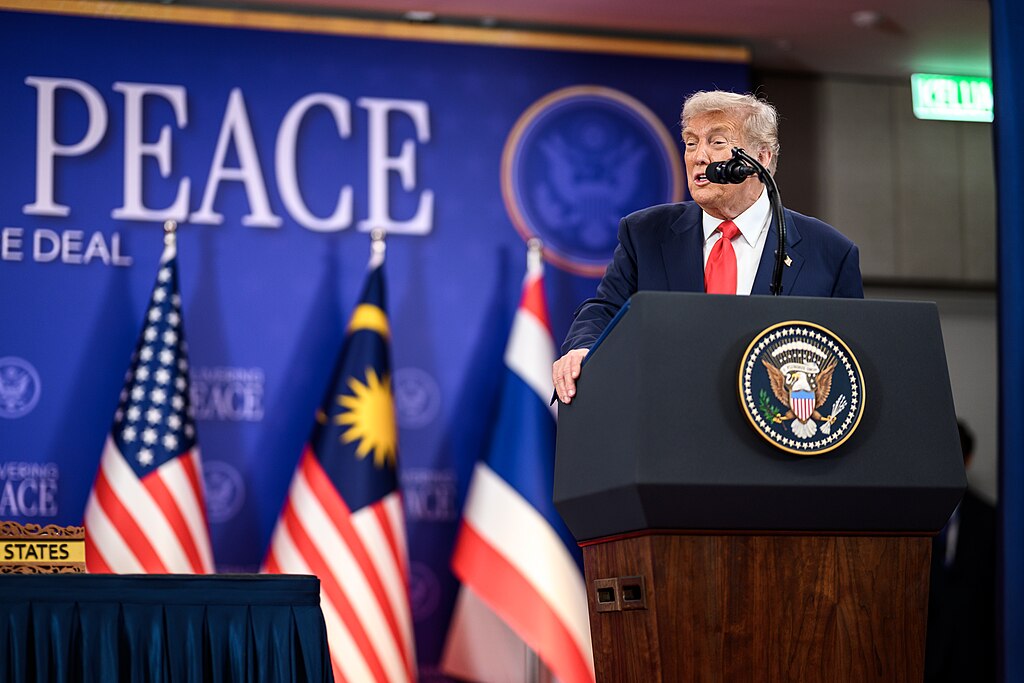
U.S. President Donald Trump has signed a sweeping executive order expanding sanctions against Cuba, intensifying pressure on the island’s government and its international partners. According to White House officials, the new measures aim to penalize individuals, companies, and organizations that support Cuba’s security apparatus or are involved in corruption and human rights abuses.
The updated sanctions framework broadens the scope to include “any foreign person” operating in critical sectors of the Cuban economy. These sectors include energy, defense, financial services, metals and mining, and other key industries. The order also introduces secondary sanctions, meaning non-U.S. companies and financial institutions could face penalties if they conduct or facilitate transactions with sanctioned Cuban entities. This marks a significant escalation in U.S. foreign policy toward Cuba, potentially affecting global businesses with ties to the island.
While specific targets have not yet been disclosed, experts say the move could have far-reaching consequences. Jeremy Paner, a former U.S. Treasury sanctions investigator, noted that companies that previously separated their Cuban operations from U.S. activities may no longer be shielded from penalties. Industries such as oil, gas, and banking are expected to feel the immediate impact.
Cuba’s Foreign Minister Bruno Rodriguez strongly criticized the sanctions, calling them “unilateral coercive measures” that violate international law and the United Nations Charter. He argued that the actions are designed to impose collective hardship on the Cuban population, emphasizing that Cuba will not be intimidated.
The sanctions come amid heightened geopolitical tensions, with the Trump administration linking Cuba to hostile foreign alliances and security concerns near U.S. borders. In recent months, the U.S. has also taken aggressive actions against Venezuela, including cutting off oil exports to Cuba, which has worsened fuel shortages on the island. These shortages have contributed to widespread blackouts and disruptions, including reduced airline operations.
The latest sanctions highlight the administration’s broader strategy to isolate Cuba economically and politically while pressuring it to implement reforms.







