


 China Expands Export Controls, Adds 20 Japanese Companies to Restricted List
  Trump Suspends Some Morocco Fertilizer Tariffs to Ease U.S. Supply Shortage
  Canada Grants C$7 Million to Greenland Molybdenum Mine to Strengthen Critical Minerals Supply
  US Dollar Slips After PCE Inflation Data as Fed Rate Hike Expectations Stay Elevated
  Asian Stocks End Strong Quarter as Dollar Surges, Yen Hits 40-Year Low Ahead of US Jobs Data
  Yen Falls to 40-Year Low as Markets Watch Japan Intervention and U.S. Jobs Report
  Trump Threatens 100% Tariffs on Countries Imposing Digital Services Taxes on U.S. Tech Firms
  World Bank Approves $1.1 Billion Emergency Funding for Bangladesh Amid Food and Energy Price Pressures
  Gold Prices Drop as Fed Rate Outlook and Iran Tensions Weigh on Market
  Oil Prices Slip as U.S.-Iran Peace Talks and Strait of Hormuz Risks Keep Markets on Edge
  Oil Prices Rise as US-Iran Tensions Threaten Strait of Hormuz Oil Shipments
  Central Banks Eye Gold, Reduce Dollar Exposure as AI Adoption Accelerates: OMFIF Survey
  Japan Targets 1%+ Real Economic Growth With ¥370 Trillion Investment Plan
  Argentina Economy Shrinks 1.5% in April, Recovery Under Milei Loses Momentum
  Economic pessimism has set in – but there are reasons for Australians to be hopeful
  Asian Currencies Stay Range-Bound as Investors Eye China Data, RBNZ Outlook and U.S.-Iran Ceasefire
  Trump Urges Gasoline Retailers to Cut Prices to $2.50 Per Gallon, Warns of Legal Action


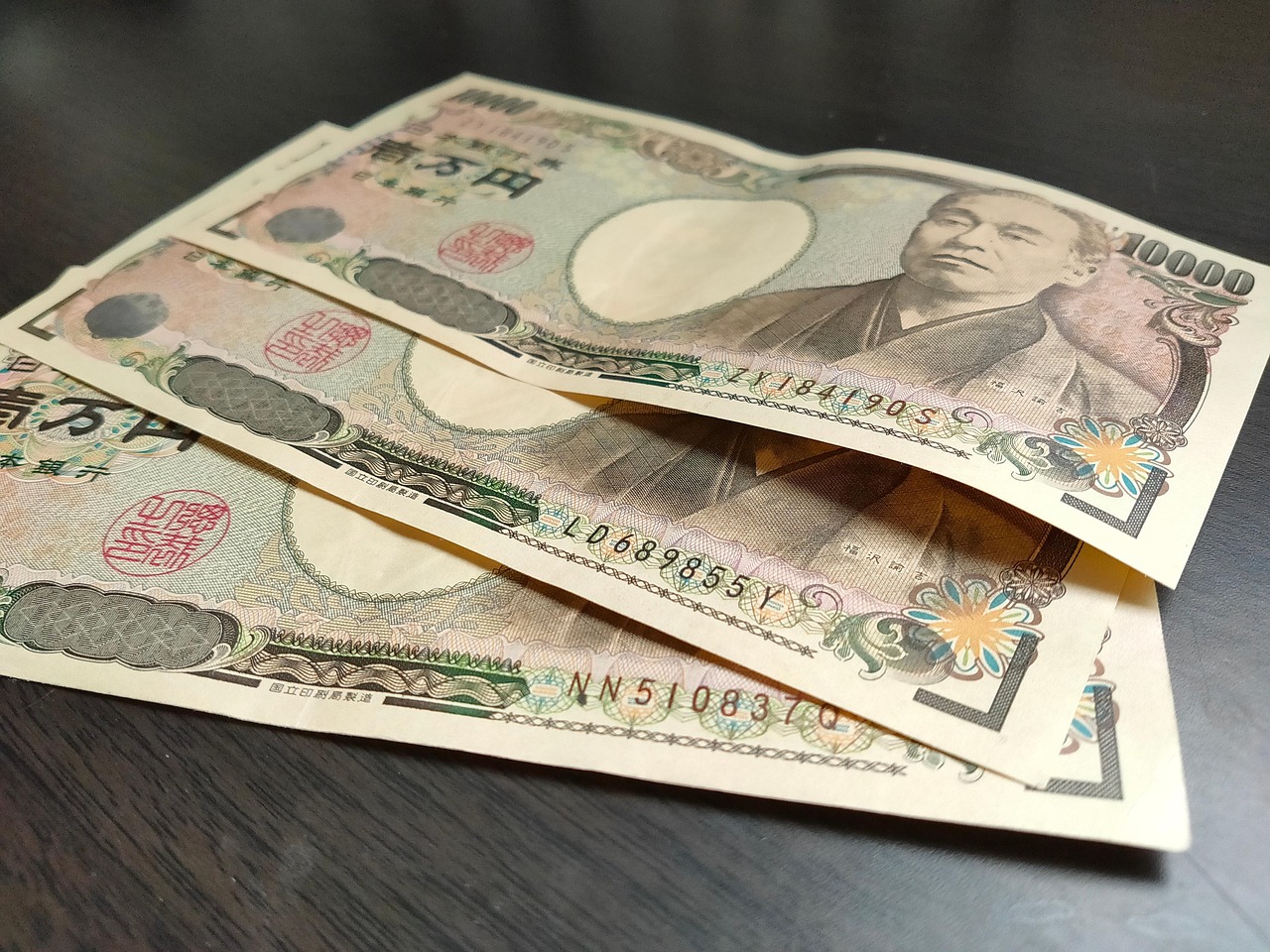
Currency markets closely monitored the Japanese yen on Friday after suspected intervention by Tokyo triggered significant volatility, while the U.S. dollar began May with a modest rebound following April losses. The U.S. dollar index (DXY) rose 0.2% to 98.23, recovering slightly after posting its worst monthly decline since August last year.
The Japanese yen weakened again, with the USD/JPY pair climbing to around 157. The currency had previously surged after Japan likely intervened when the pair crossed the key 160 level, its highest point since June 2024. Analysts estimate that Tokyo may have spent approximately $34.5 billion in its first intervention since July 2024. However, many experts believe the impact may be short-lived unless additional interventions occur, with expectations that USD/JPY could eventually move back toward the 160 range.
Further pressure on the yen came from weaker-than-expected Tokyo inflation data for April. The consumer price index suggested that government subsidies on food and utilities are continuing to keep inflation subdued. This softer inflation outlook contrasts with the Bank of Japan’s recent hawkish stance, as it raised inflation forecasts and hinted at potential interest rate hikes in the coming months.
Meanwhile, the U.S. dollar found support from ongoing geopolitical tensions and shifting monetary policy expectations. Demand for the greenback increased toward the end of April as concerns grew over a prolonged U.S.-Iran conflict. Although Iran has reportedly proposed revised peace terms through mediators, uncertainty remains after U.S. officials expressed dissatisfaction with the offer.
The Federal Reserve’s latest meeting also signaled a cautious approach, with policymakers showing less willingness to cut interest rates due to persistent inflation risks linked to global tensions. In Europe, both the European Central Bank and the Bank of England kept interest rates unchanged, resulting in limited movement in the euro and British pound.
Overall, forex markets remain influenced by central bank policies, geopolitical risks, and currency intervention, keeping traders focused on yen volatility and the direction of the U.S. dollar.







