


 US-China Talks Put Taiwan at Center of Rising Geopolitical Tensions
  Panama Defends Port Takeover Amid U.S.-China Tensions and Canal Dispute
  US House Advances $70 Billion Immigration Enforcement Budget Plan
  Sheinbaum Questions U.S. Charges Against Sinaloa Governor Rocha, Calls for Clear Evidence
  UN Chief Says U.S. UN Funding Obligations Are Non-Negotiable Amid Reform Demands
  Comey Faces Charges Over Instagram Post as Free Speech Debate Intensifies
  Iran Threatens Prolonged Strikes as Strait of Hormuz Crisis Drives Global Oil Surge
  Israel Expands Gaza Restricted Zones, Raising Concerns for Civilians and Aid Access
  Lula Plans New Supreme Court Nomination After Historic Senate Rejection
  Iran-U.S. Conflict Escalation Threatens Global Oil Supply and Economic Stability
  US Proposes Maritime Freedom Construct to Secure Strait of Hormuz Shipping
  FEMA Reinstates Employees After Dissent Letter, Signaling Shift in Workforce Stability
  Trump Congratulates Ali al-Zaidi on Iraq Prime Minister Nomination, Signals Strong U.S.-Iraq Ties
  US Adds European Union to Section 301 Watchlist Amid Trade Concerns
  Taiwan Activates Backup Communications After Undersea Cable Break on Dongyin Island
  Lebanon Political Divide Complicates Saudi Push for Israel Negotiations
  Trump to Receive Briefing on Potential U.S. Military Action Against Iran


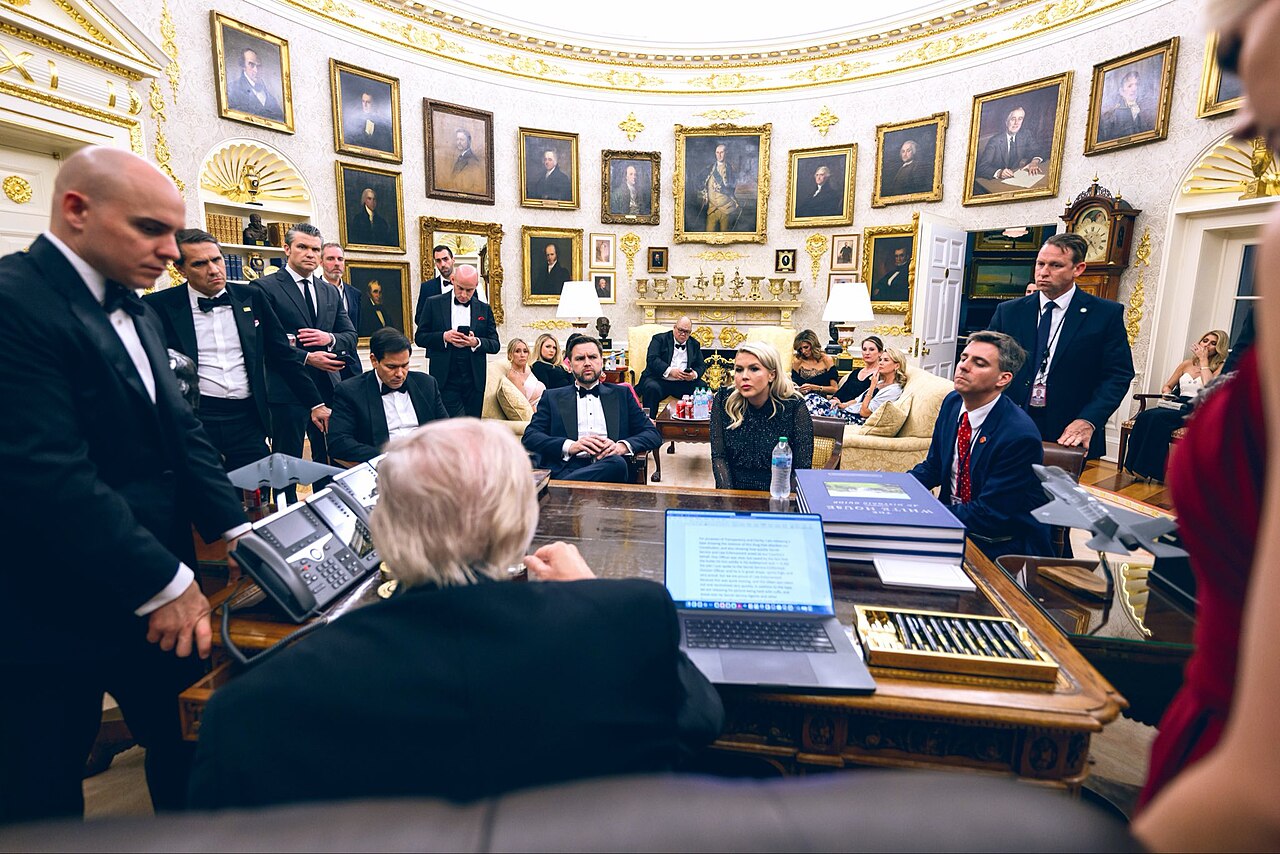
U.S. President Donald Trump and Secret Service officials have clarified details surrounding the recent security incident at the White House Correspondents’ Association dinner, emphasizing that the injured federal agent was not harmed by friendly fire. The clarification comes after conflicting reports and public speculation about the shooting that occurred during the high-profile event in Washington, D.C.
According to U.S. Secret Service Director Sean Curran, the incident unfolded when a suspect, identified as 31-year-old Cole Tomas Allen, allegedly attempted to breach security at the Washington Hilton hotel. Prosecutors claim Allen intended to assassinate President Trump as he rushed through a security checkpoint near the venue where top government officials, including the president and first lady, were present.
Curran stated in a Fox News interview that the suspect fired at a Secret Service agent at close range, injuring the officer. The agent reportedly responded by firing five shots in return. However, the suspect was not struck by gunfire; instead, he fell after injuring his knee while fleeing. Other federal agents quickly subdued him near a staircase leading to the main ballroom.
Despite earlier media speculation suggesting the possibility of friendly fire, both Trump and Curran firmly denied such claims. “It wasn’t us,” Trump told reporters, reinforcing the official stance that the agent’s injury was caused by the suspect.
Court documents released earlier did not explicitly mention the agent being shot or the suspect targeting law enforcement, contributing to confusion about the sequence of events. Nonetheless, the Secret Service has defended its security measures, with Curran stating that protocols at the event were effectively implemented and would not require changes.
The incident has reignited discussions about presidential security and rising political violence in the United States. When asked about wearing a bulletproof vest, Trump appeared hesitant, citing personal discomfort and optics. The event highlights ongoing concerns about safety at major political gatherings and the challenges faced by security agencies in preventing threats.







