


 Trump White House Dinner Attack: Secret Service Denies Friendly Fire in Agent Shooting
  FEMA Reinstates Employees After Dissent Letter, Signaling Shift in Workforce Stability
  U.S. Sanctions Former DR Congo President Joseph Kabila Over Rebel Support
  Iran-U.S. Conflict Escalation Threatens Global Oil Supply and Economic Stability
  Sheinbaum Questions U.S. Charges Against Sinaloa Governor Rocha, Calls for Clear Evidence
  US Adds European Union to Section 301 Watchlist Amid Trade Concerns
  Trump Criticizes German Chancellor Merz Over Iran War and Ukraine Policy
  Taiwan Independence Explained: History, Status, and Rising China Tensions
  Trump Congratulates Ali al-Zaidi on Iraq Prime Minister Nomination, Signals Strong U.S.-Iraq Ties
  Taiwan Activates Backup Communications After Undersea Cable Break on Dongyin Island
  Comey Faces Charges Over Instagram Post as Free Speech Debate Intensifies
  UN Chief Says U.S. UN Funding Obligations Are Non-Negotiable Amid Reform Demands
  Russian Drone Strikes Hit Odesa Again, Injuring Civilians and Damaging Infrastructure
  U.S. Military Presence in Germany Strengthens NATO Readiness and Training
  Iran Threatens Prolonged Strikes as Strait of Hormuz Crisis Drives Global Oil Surge
  Lula Plans New Supreme Court Nomination After Historic Senate Rejection
  Trump Considers Withdrawing U.S. Troops from Italy and Spain Amid NATO Tensions


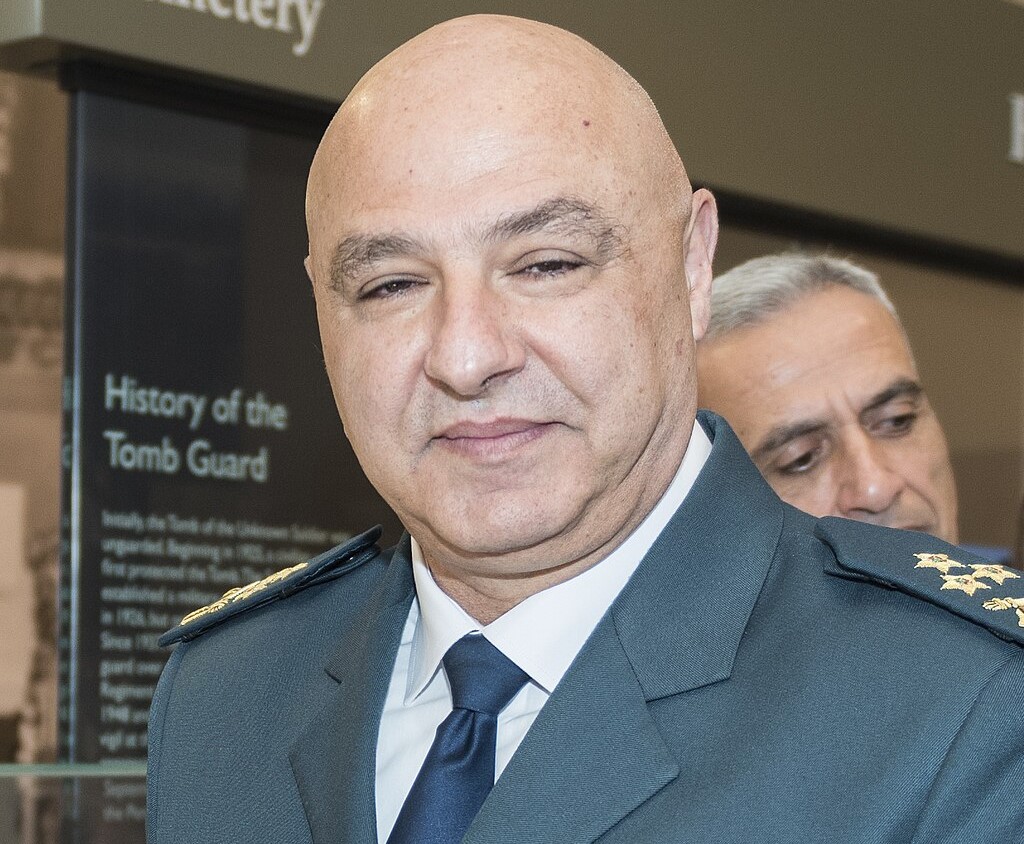
A growing political divide among Lebanon’s top leaders is complicating Saudi Arabia’s efforts to unify the country’s stance on negotiations with Israel. Recent diplomatic moves aimed at stabilizing the region have been hindered by disagreements between key officials, highlighting ongoing tensions within Lebanese politics and the broader Middle East conflict.
Saudi Arabia, historically influential in Lebanon, has increased its engagement following the 2024 conflict between Israel and Hezbollah, which significantly weakened the Iran-backed group. The Kingdom sees an opportunity to promote stability and potentially support negotiations between Lebanon and Israel. However, internal disagreements are slowing progress.
President Joseph Aoun has expressed openness to direct talks with Israel, even signaling willingness to normalize relations if it would end hostilities. In contrast, Parliament Speaker Nabih Berri, aligned with Hezbollah, opposes face-to-face negotiations and favors a limited non-aggression agreement instead of a full peace deal. This political split reflects deeper divisions across Lebanese society regarding relations with Israel.
Saudi envoy Prince Yazid bin Farhan recently visited Beirut to encourage unity among Lebanese leaders, proposing a joint meeting to present a cohesive negotiation strategy. However, rising tensions derailed these plans after public disagreements between Aoun and Berri surfaced, underscoring the fragile political landscape.
The United States has also played a role, supporting the April 16 ceasefire and encouraging direct dialogue as a pathway to long-term peace. Washington views potential talks as an opportunity for Lebanon’s recovery, including securing sovereignty, rebuilding infrastructure, and restoring state authority.
Despite this, Saudi Arabia remains cautious. While it supports de-escalation and a “detente” between Lebanon and Israel, it has warned against rapid normalization without broader regional agreements, particularly concerning Palestinian statehood.
Ongoing violence continues to impact Lebanon, with thousands killed and over a million displaced since renewed clashes began. While the ceasefire reduced attacks in key areas, instability persists, making unified leadership and strategic diplomacy critical for lasting peace.







