


 Trump Congratulates Ali al-Zaidi on Iraq Prime Minister Nomination, Signals Strong U.S.-Iraq Ties
  Brazil Blocks Prediction Market Platforms, Tightens Derivatives Trading Rules
  US Sanctions Target Iran’s Shadow Banking Network and Terror Financing
  Oil Prices Slip Amid UAE’s OPEC Exit and Ongoing Iran Conflict Concerns
  China Manufacturing PMI Beats Forecasts in April Amid Weak Domestic Demand
  Aung San Suu Kyi Moved to House Arrest Amid Myanmar Political Crisis
  Gold Prices Fall as Strong Dollar and Rising Oil Prices Pressure Markets
  Syrian Asylum Rejections Rise in Europe as Minority Safety Concerns Persist
  Taiwan Activates Backup Communications After Undersea Cable Break on Dongyin Island
  U.S. Freezes Dollar Transfers to Iraq, Pressures Government Over Iran-Backed Militias
  Trump-Iran Conflict Escalates as Nuclear Talks Stall and Oil Prices Surge
  FBI Warns of China’s Expanding Hack-for-Hire Network Amid Extradition Case
  U.S. Warns Allies Over Alleged Chinese AI IP Theft Linked to DeepSeek
  Lebanon Political Divide Complicates Saudi Push for Israel Negotiations
  Trump Urges Iran to Sign Nuclear Deal Amid Ongoing Conflict and Port Blockade
  UN Chief Says U.S. UN Funding Obligations Are Non-Negotiable Amid Reform Demands
  Trump Considers Reducing U.S. Troops in Germany Amid NATO Tensions


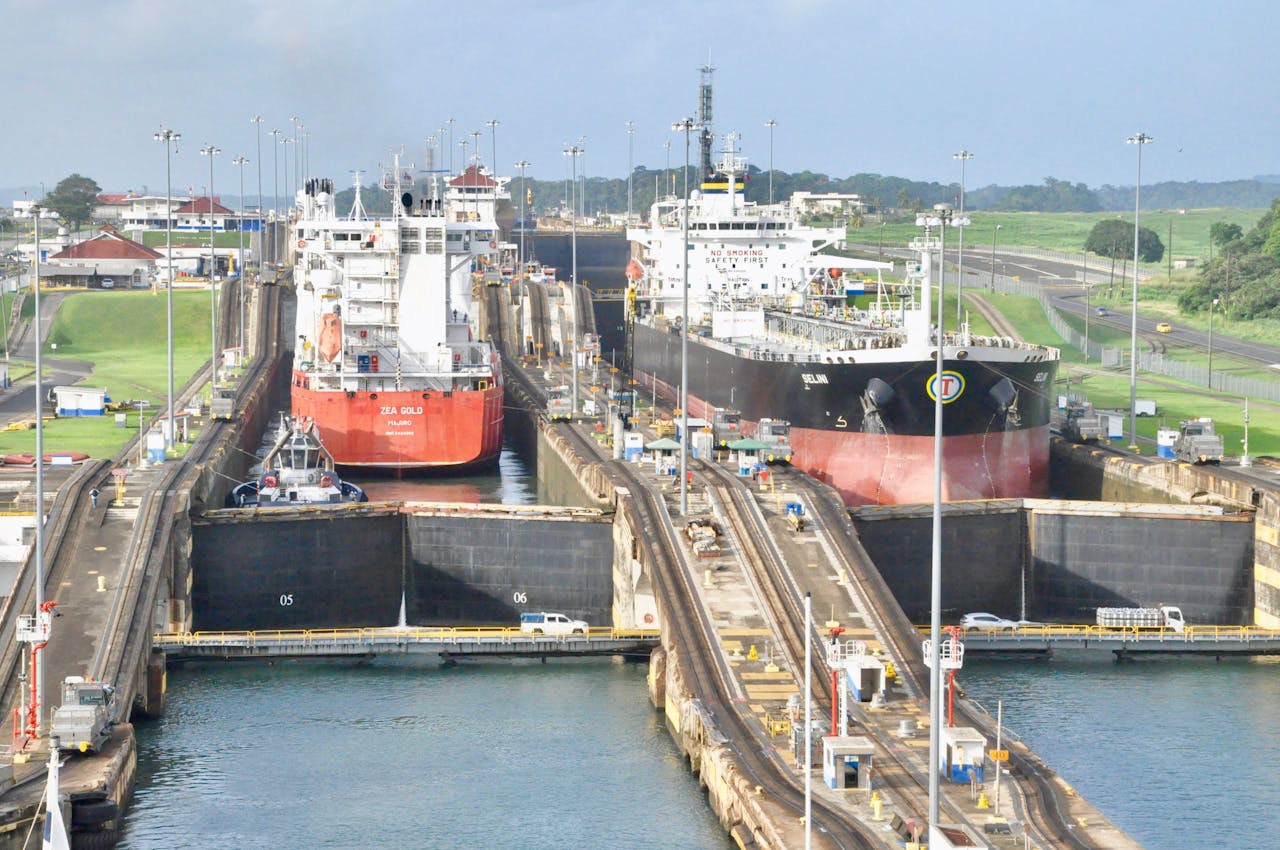
Panama President Jose Raul Mulino has reaffirmed his country’s stable diplomatic relationship with China, even as Panama becomes entangled in rising geopolitical tensions between the United States and China over strategic infrastructure. Speaking during a regular press briefing, Mulino emphasized that Panama remains neutral while navigating a sensitive dispute involving port concessions near the Panama Canal, a critical artery for global trade.
Mulino revealed that Panama recently received a “high-level” communication from the Chinese government through its ambassador. The message clarified that the disagreement over port contracts—previously held by Hong Kong-based CK Hutchison—would be handled through international arbitration rather than escalating into a bilateral conflict. This development signals a more diplomatic tone from Beijing despite ongoing concerns.
The Panama Canal, responsible for handling approximately 5% of global maritime trade, has become a focal point in the broader U.S.-China rivalry. Control over port operations at the canal’s entrances carries significant strategic and economic implications. Earlier this year, Panama’s Supreme Court ruled against CK Hutchison’s long-standing concession, leading to the transfer of port operations to global shipping firms APM Terminals (Maersk) and Terminal Investment Limited (MSC).
Mulino defended the government’s decision, stating that the ports were not expropriated but rather taken over due to the absence of a valid contract. He stressed that Panama has no intention of escalating tensions with China and seeks a fair and lawful resolution through arbitration.
However, the situation remains complex as Panama has reported an unusual increase in inspections and detentions of Panama-flagged vessels in Chinese ports. This has raised concerns about potential economic pressure. The United States and its allies have expressed support for Panama’s sovereignty, while China has dismissed such statements as politically motivated.
Mulino concluded by urging restraint, noting that Panama should not be used as leverage in a broader geopolitical conflict, and reaffirmed his commitment to protecting the country’s maritime interests and global trade role.







