


 Poland Considers Revoking Zelensky’s Top Honor Over Controversial UPA Army Unit Recognition
  Iran-U.S. Nuclear Talks Remain Unresolved as Strait of Hormuz Risks Keep Markets on Edge
  DOJ Investigates Group Linked to Reid Hoffman Over E. Jean Carroll Lawsuit Funding
  Brazil Struggles to Stop Illegal Amazon Gold Mining as Gold Prices Surge
  US Imposes Fresh Iran Oil Sanctions Despite Progress on Ceasefire Talks
  Trump to Launch America 250 Celebration Amid Concert Cancellations
  Trump Administration Threatens Newark Airport International Travel Shutdown Over Immigration Dispute
  Judge Dismisses Trump Administration Lawsuit Against Boston Sanctuary City Policy
  US Designates Brazil’s PCC and Comando Vermelho as Global Terrorist Entities Ahead of FTO Listing
  US to Accelerate Troop Withdrawal from Europe, NATO Allies to Review Plans Next Month
  U.S. Lawmakers Back Ukraine’s Request for More Patriot Missiles Amid Rising Russian Attacks
  Trump Signs Executive Order to Expand Access to Federal Lands in the U.S.
  US Condemns Russia’s Oreshnik Missile Strike, Warns Against New Attacks on Kyiv
  US Southern Command Chief Holds Rare Military Meeting With Cuban Officials at Guantanamo Bay
  Russia Prepares New Large-Scale Attack on Ukraine, Zelenskiy Warns
  UN Blacklists Israel and Russia Over Conflict-Related Sexual Violence Claims


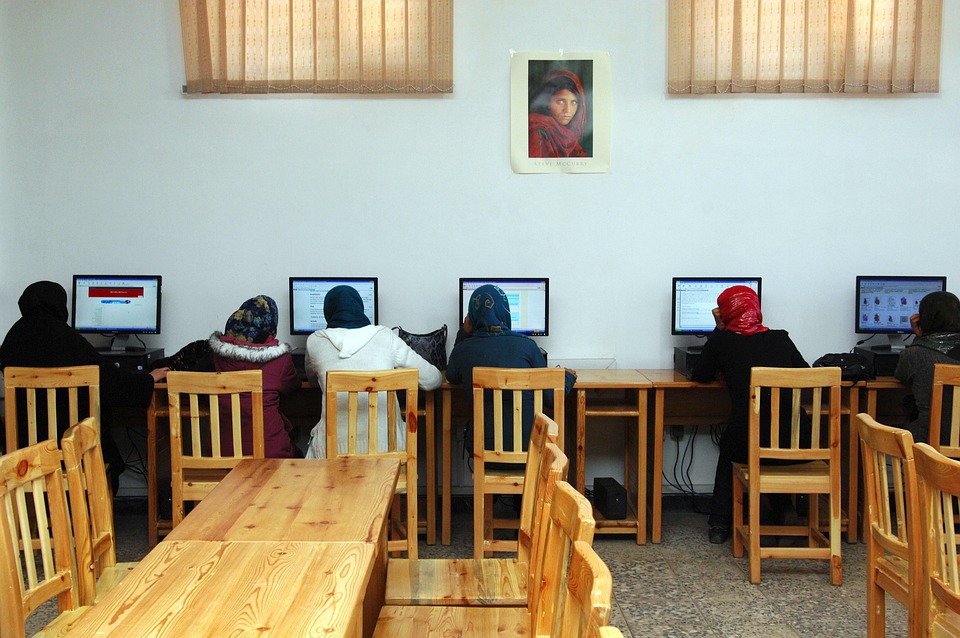
Turkey and Saudi Arabia criticized the Taliban rulers of Afghanistan for their newest policy to ban women from attending universities. The ban is the latest in multiple restrictive policies the insurgent group has implemented against women and girls.
Turkey and Saudi Arabia became the latest predominantly Muslim countries that criticized the new policy implemented by the Taliban barring women from entering universities on Thursday. Speaking at a joint news conference with his Yemeni counterpart, Turkish foreign minister Mevluv Cavusoglu said the Taliban’s ban on women from universities was not “Islamic” nor was it “humane” while urging the insurgent group to reverse such policies.
“What harm is there in women’s education? What harm does it do to Afghanistan?” said Cavusoglu. “Is there an Islamic explanation? On the contrary, our religion, Islam, is not against education; on the contrary, it encourages education and science.”
The Saudi foreign ministry also called on the Taliban to reverse its decision, expressing “astonishment and regret” in a statement. The ministry said that it was “astonishing in all Islamic countries and is contrary to giving Afghan women their full legitimate rights, foremost of which is the right to education, which contributes to supporting security, stability, prosperity, and development for Afghanistan.”
Saudi Arabia and Turkey’s condemnations follow the criticism by Qatar, which has acted as a mediator between the United States and the Taliban.
The Qatari foreign ministry said it was “deeply” disappointed in the decision, stressing that there would be repercussions by doing so, especially in the aspects of human rights, development, and economy. The ministry said the Taliban must review its decision to bar women from universities, especially in line with Islamic teachings on women’s rights.
Washington has since warned the Taliban that barring women from attending universities would result in penalties against the group. On Thursday, US Secretary of State Antony Blinken said the Taliban-led Afghan government would not be able to improve relations with the rest of the world if it continued to impose restrictive policies on women.
In an end-of-the-year news conference in Washington, Blinken said the Taliban was subjecting women and girls to a “dark future without opportunity.”







