


 Super Micro Shares Slide After Taiwan Raids Over Alleged Nvidia AI Chip Smuggling Probe
  Trump Urges Gasoline Retailers to Cut Prices to $2.50 Per Gallon, Warns of Legal Action
  China Adds MP Materials, USA Rare Earth to Export Control List Amid Escalating U.S.-China Trade Tensions
  DOJ Sues Virginia Over Law Enforcement Mask Ban
  Iran Launches Drone Attack on Bahrain After U.S. Strikes, Strait of Hormuz Tensions Escalate
  Apple Challenges India Antitrust Probe, Says CCI Copied Rivals’ Claims in App Store Case
  Maria Corina Machado’s Return to Venezuela Faces U.S. Hesitation After Deadly Earthquakes
  Trump Threatens 100% Tariffs on Countries Imposing Digital Services Taxes on U.S. Tech Firms
  Russian Attacks on Dnipro, Zaporizhzhia, and Kharkiv Kill 10 as Ukraine Vows Response
  Serbia President Aleksandar Vucic to Resign, Calls Early Elections After Months of Protests
  US-Iran De-Escalation Shifts Washington’s Focus to AI Regulation and Crypto Legislation
  Supreme Court Backs Lisa Cook, Defends Federal Reserve Independence Against Trump Firing Attempt
  Australia Eases Capital Gains Tax Reforms to Support Small Businesses and Startups
  NHTSA Investigates Fatal Tesla Model 3 Crash in Texas Amid Ongoing Autopilot and FSD Safety Scrutiny
  Canada Grants C$7 Million to Greenland Molybdenum Mine to Strengthen Critical Minerals Supply
  US Waives Iran Sanctions for 60 Days as Peace Talks Advance and Lebanon Sees Calm


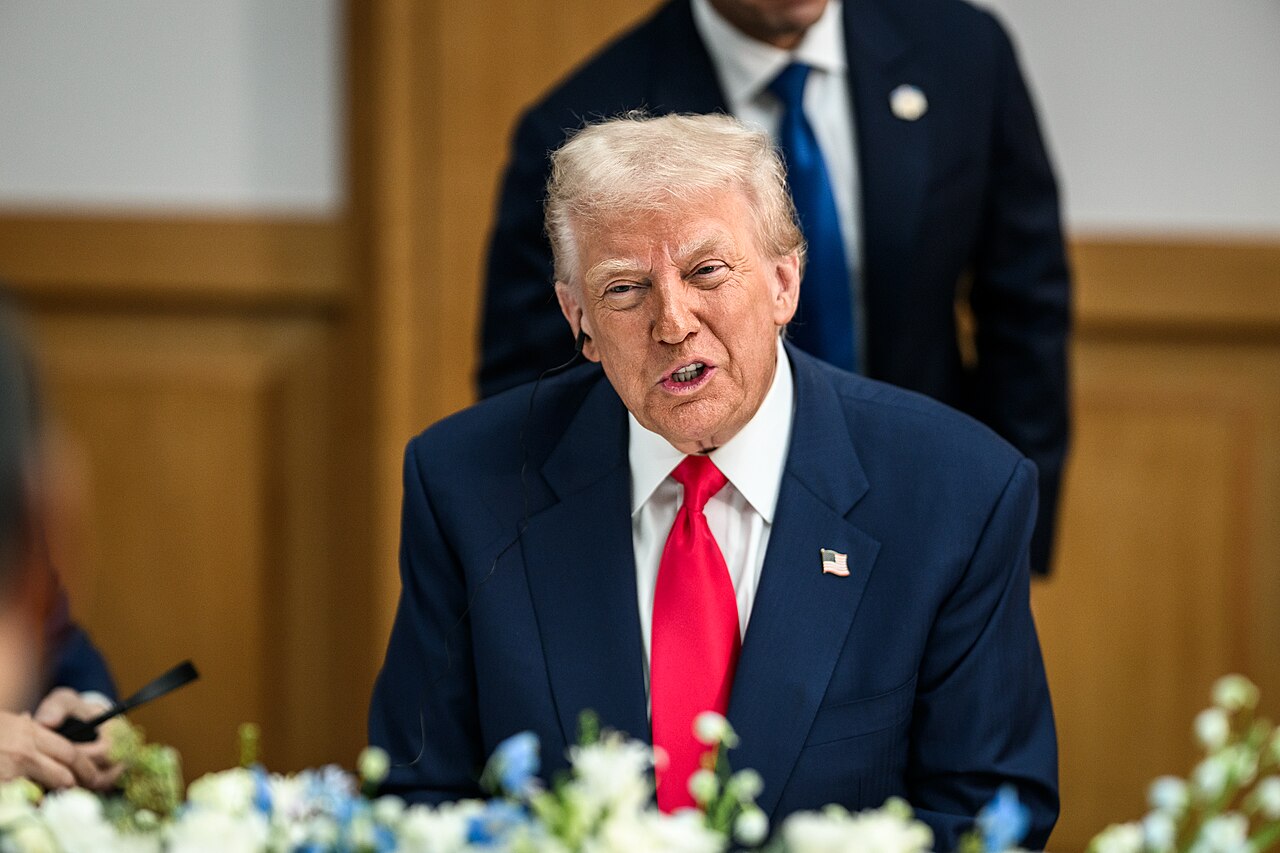
U.S. President Donald Trump signed an executive order on Friday aimed at removing restrictions that limit access to federal lands across the United States, according to a statement from the White House. The move is part of the administration’s broader effort to increase public access to federally managed lands while supporting economic development, outdoor recreation, and resource management initiatives.
The executive order directs federal agencies to review existing policies and regulations that may hinder access to public lands. The administration argues that reducing bureaucratic barriers will allow Americans to make greater use of federal lands for recreational activities, tourism, and other approved purposes. Supporters of the measure say it could boost local economies, create jobs, and encourage greater public engagement with natural resources.
Federal lands, which include national forests, grasslands, and other government-managed properties, cover millions of acres across the country. Access to these areas is often governed by a combination of environmental regulations, land-use policies, and conservation measures. The White House stated that the new order seeks to strike a balance between preserving natural resources and ensuring that the public can benefit from them.
The administration emphasized that federal agencies will continue to follow environmental protection standards while evaluating opportunities to improve access. Officials also noted that the review process will focus on identifying unnecessary restrictions that may prevent communities, businesses, and visitors from utilizing public lands effectively.
The executive order is expected to generate discussion among policymakers, environmental groups, and industry stakeholders. Advocates view the initiative as a step toward expanding recreational opportunities and economic growth, while critics may raise concerns about potential impacts on conservation efforts and protected ecosystems.
As the policy moves forward, federal agencies will begin assessing current regulations and determining how access to public lands can be expanded under the framework established by President Trump’s executive order. The development is likely to remain a significant topic in discussions surrounding public land access, environmental policy, and federal land management in 2026.







