


 Trump Announces September Overhaul of Washington’s East Potomac Golf Links
  Trump Questions Housing Bill as He Prioritizes SAVE America Act
  Ukraine Strikes Russian Titan-Barrikady Plant With Long-Range FP-5 Flamingo Missile
  Trump Suspends Some Morocco Fertilizer Tariffs to Ease U.S. Supply Shortage
  Canada Grants C$7 Million to Greenland Molybdenum Mine to Strengthen Critical Minerals Supply
  Taiwan Coast Guard Officer Finds Strength in Faith as China Increases Pressure in Taiwan Strait
  China Expands Export Controls, Adds 20 Japanese Companies to Restricted List
  Australia, Vanuatu Sign Security Pact Amid Pacific Influence Competition
  US Strikes Iran Again After Strait of Hormuz Tanker Attack Escalates Ceasefire Tensions
  Trump Urges Gasoline Retailers to Cut Prices to $2.50 Per Gallon, Warns of Legal Action
  Despite its best efforts, Iran won’t be able to toll the Strait of Hormuz. Here’s why
  Andy Burnham Sets Out Vision to Decentralize Britain as Labour Leadership Race Begins
  Serbia President Aleksandar Vucic to Resign, Calls Early Elections After Months of Protests
  Israeli Airstrike Kills Three in Central Gaza Despite Ceasefire
  Russian Attacks Kill Four in Ukraine as Zaporizhzhia and Kharkiv Come Under Fire
  Trump Signs Memorandum Backing Americans’ Right to Repair Their Own Vehicles


The United States delivered some of its strongest criticism of Russia in recent months during a United Nations Security Council meeting, urging Moscow to halt its threatened “systematic strikes” against Kyiv following a large-scale missile and drone assault on the Ukrainian capital.
The emergency U.N. session was requested by Ukraine after Russia launched hundreds of drones and missiles at Kyiv and nearby regions on Sunday. The attack included the use of an Oreshnik intermediate-range ballistic missile, a nuclear-capable weapon that Russia has reportedly deployed against Ukraine multiple times since late 2024.
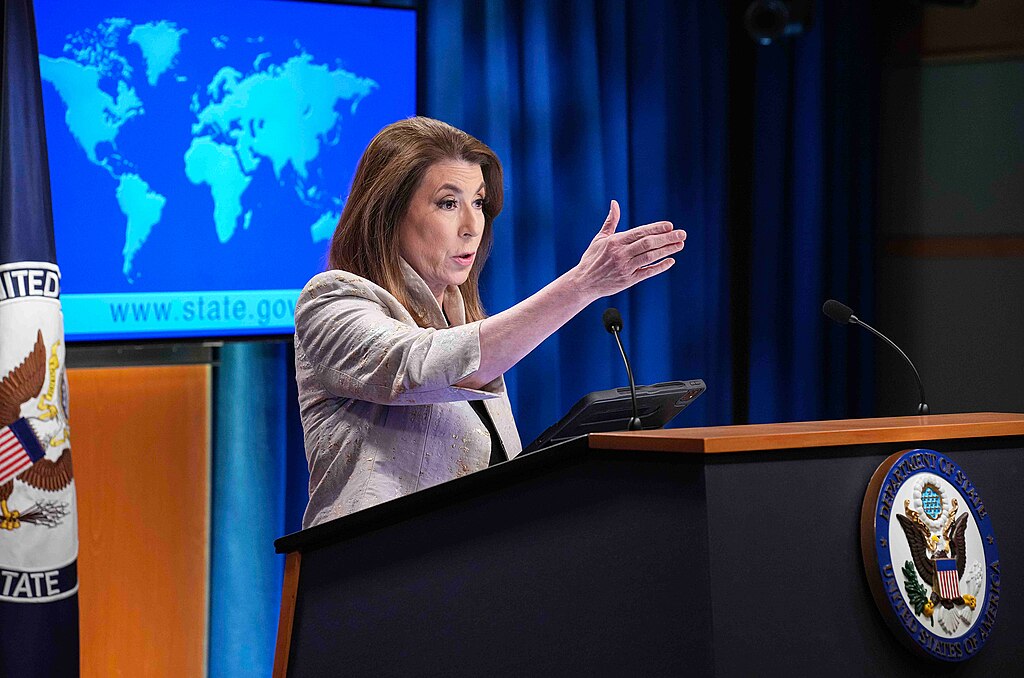
Tammy Bruce, the U.S. deputy ambassador to the United Nations, condemned the assault and described Russia’s use of the Oreshnik missile as a dangerous and unjustified escalation of the ongoing Russia-Ukraine war. She warned Moscow against carrying out additional large-scale attacks on Kyiv, stating that such actions could increase civilian casualties and further damage prospects for a peaceful resolution to the conflict.
According to reports, at least two civilians were killed and approximately 100 others were injured during the bombardment. Russia claimed the strikes were retaliation for a Ukrainian attack on a student dormitory in Donetsk, a region in eastern Ukraine controlled by Moscow-backed separatists since 2014.
Bruce’s remarks stood out as some of the most direct criticism of Russia from the Trump administration, which has generally been viewed as more open to engagement with Moscow than many Western allies. However, she did not specify what measures the United States might take if Russia proceeds with its threat of expanded attacks.
Russian Ambassador Vassily Nebenzia defended Moscow’s actions, insisting that the strikes targeted Ukrainian military and intelligence infrastructure. He also repeated Russia’s warning that future attacks could focus on decision-making centers and command facilities located in Kyiv.
Nebenzia urged foreign nationals, including diplomatic personnel and staff from international organizations, to leave Kyiv due to the possibility of additional strikes. Meanwhile, U.N. Assistant Secretary-General Khaled Khiari expressed deep concern over Russia’s stated plans for continued operations against targets in the Ukrainian capital.
The latest escalation has heightened international concerns over security in Ukraine and raised fears that the conflict could intensify further, complicating diplomatic efforts aimed at ending the war.







