


 Mexico, U.S. Launch Sterile Fly Facility to Combat New World Screwworm Outbreak
  Sheinbaum Says No One Is Above the Law After Abuse Video of Ex-Pemex Chief Emerges
  Maria Corina Machado Vows Return to Venezuela After Earthquakes Despite Obstacles
  Despite its best efforts, Iran won’t be able to toll the Strait of Hormuz. Here’s why
  Javier Milei Cabinet Chief Manuel Adorni Resigns Amid Spending Scandal Investigation
  Australia, Vanuatu Sign Security Pact Amid Pacific Influence Competition
  Iran Skips U.S. Technical Talks Over Unmet MoU Conditions and Frozen Funds Dispute
  Serbia Protests Continue as Thousands Rally Despite Vucic’s Resignation Plan
  Russian Attacks on Dnipro, Zaporizhzhia, and Kharkiv Kill 10 as Ukraine Vows Response
  Russia Intensifies Assault on Kostiantynivka as Ukraine’s Donetsk Defense Faces Mounting Pressure
  Supreme Court Backs Lisa Cook, Defends Federal Reserve Independence Against Trump Firing Attempt
  Trump Announces September Overhaul of Washington’s East Potomac Golf Links
  Trump Questions Housing Bill as He Prioritizes SAVE America Act
  China Expands Export Controls, Adds 20 Japanese Companies to Restricted List
  Trump Urges Gasoline Retailers to Cut Prices to $2.50 Per Gallon, Warns of Legal Action
  Andy Burnham Sets Out Vision to Decentralize Britain as Labour Leadership Race Begins
  Trump Threatens 100% Tariffs on Countries Imposing Digital Services Taxes on U.S. Tech Firms


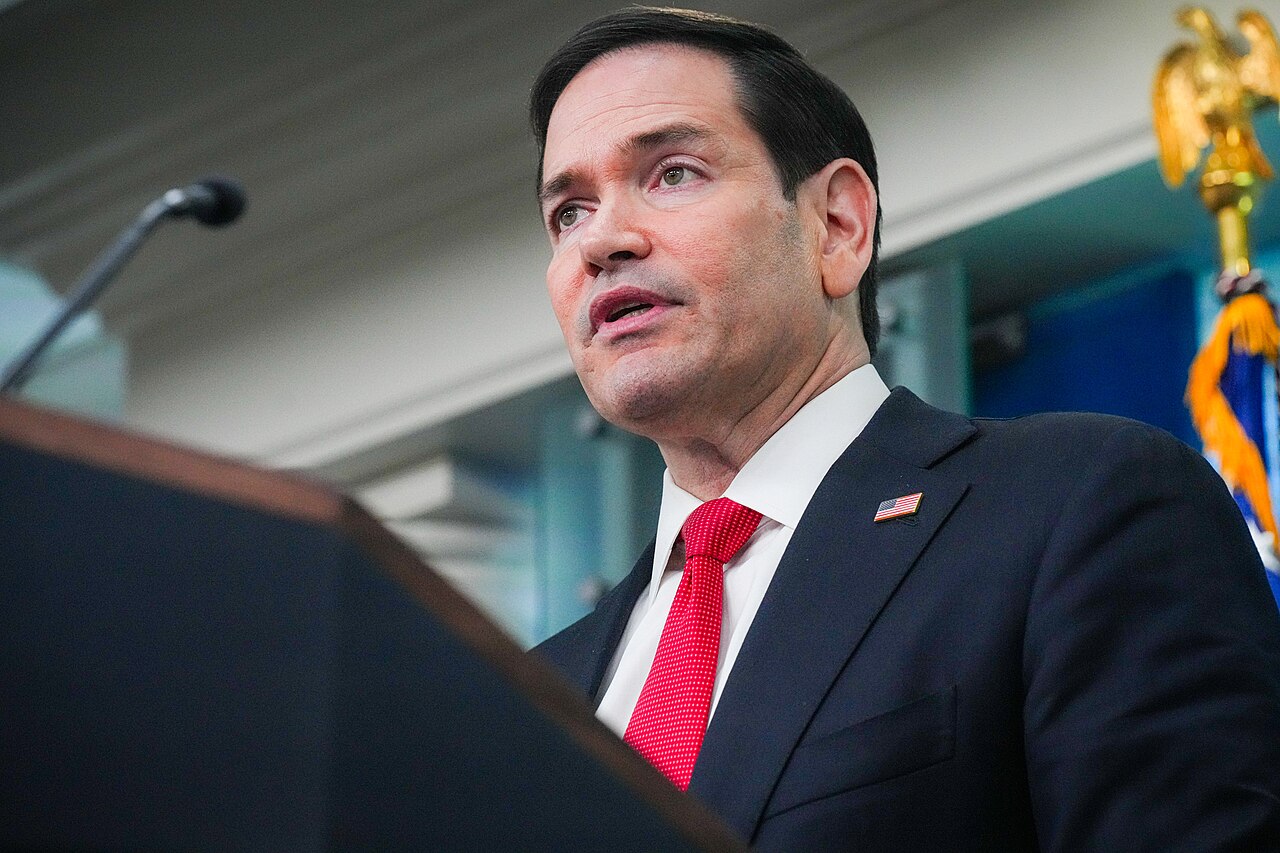
The United States has intensified its efforts against organized crime in Latin America by designating Brazil’s two largest criminal groups, Primeiro Comando da Capital (PCC) and Comando Vermelho (CV), as Specially Designated Global Terrorists (SDGTs). The announcement was made on Thursday by U.S. Secretary of State Marco Rubio, signaling Washington’s growing focus on transnational criminal organizations linked to drug trafficking and regional violence.
According to Rubio, the U.S. government plans to formally classify PCC and Comando Vermelho as Foreign Terrorist Organizations (FTOs) beginning June 5, 2026. The move would place the Brazilian gangs alongside other groups considered threats to U.S. national security and could expand the legal tools available to American authorities in combating their operations.
The decision has raised concerns in Brazil, where President Luiz Inácio Lula da Silva’s administration has reportedly sought to avoid such a designation. Brazilian officials worry that an FTO classification could create legal grounds for broader U.S. actions, including potential sanctions targeting financial institutions that unknowingly conduct business with individuals connected to the gangs. Some policymakers have also expressed concerns about the implications for national sovereignty and security cooperation.
Rubio described PCC and Comando Vermelho as among the most violent criminal organizations operating in Brazil. He noted that their influence extends far beyond the country’s borders, reaching multiple nations across Latin America and affecting criminal networks within the United States.
The U.S. State Department’s designation as Specially Designated Global Terrorists allows authorities to target assets, financial transactions, and support networks linked to the groups. The measure is intended to disrupt funding channels and limit the organizations’ ability to operate internationally.
“The Trump Administration will continue to use all available tools to protect our nation and our national security interests,” Rubio said, emphasizing efforts to curb illicit drug trafficking and dismantle the financial infrastructure supporting violent narco-terrorist groups.
The designation marks a significant development in U.S.-Brazil relations and highlights Washington’s increasing use of counterterrorism tools against major transnational criminal organizations.







