


 Doncasters Raises $919 Million in NYSE IPO as Aerospace Growth Accelerates
  Momenta Launches Hong Kong IPO to Raise Up to $751 Million for AI and Robotaxi Expansion
  Morgan Stanley Raises Tesla Q2 Delivery Forecast on Strong Europe and China Demand
  The government is ‘doubling down’ on its social media ban. But bigger penalties for platforms aren’t enough
  Kakaku.com Shares Rise as Bain Capital and LY Corp Prepare Higher Takeover Bid Than EQT
  Italy Investigates Microsoft Over Microsoft 365 AI Subscription Price Hike
  China Expands Export Controls, Adds 20 Japanese Companies to Restricted List
  Republican Lawmaker Introduces AI Incident Reporting Bill to Strengthen U.S. AI Safety
  Lenovo Shares Slide as AI-Driven Memory Demand Signals Higher DRAM and NAND Prices
  Super Micro Shares Slide After Taiwan Raids Over Alleged Nvidia AI Chip Smuggling Probe
  Australia Sues Amazon Over Prime Video Ads and Subscription Terms
  UBS Raises TSMC Price Target to T$3,400 on Strong AI Chip Demand Outlook
  Australia Plans Higher Fines for Social Media Firms Failing to Block Underage Users
  Apple Challenges India Antitrust Probe, Says CCI Copied Rivals’ Claims in App Store Case
  Baidu Shares Rally as Kunlunxin Eyes $50 Billion Hong Kong IPO
  Apple Supplier Stocks Slide as Samsung, SK Hynix Lead Selloff After Apple Price Hikes
  Nomura Stock Upgraded to Buy by BofA as Stronger ROE and Earnings Growth Boost Outlook


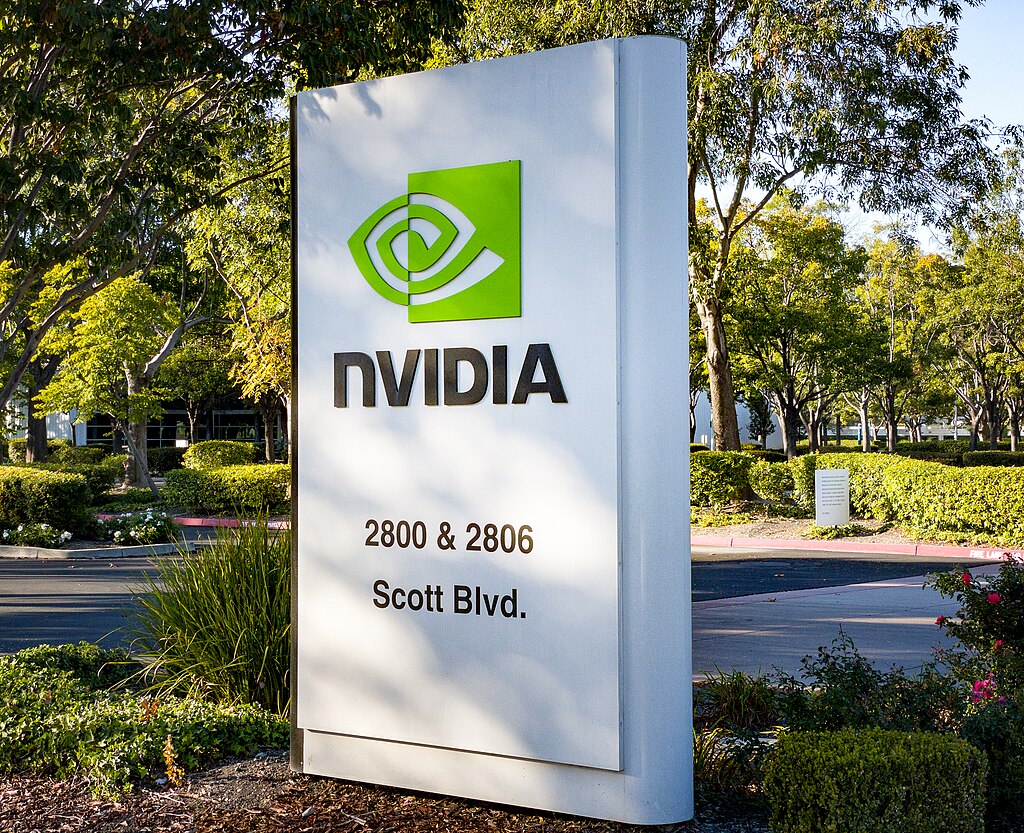
Nvidia and Microsoft are reportedly preparing to introduce a new generation of Windows PCs powered by Nvidia-designed processors, marking a significant step in the evolution of AI-enabled personal computing. According to reports, the announcement is expected to take place next week during Computex 2026 in Taipei and Microsoft's Build developer conference in San Francisco.
The upcoming devices are expected to feature Nvidia chips as the primary processors, replacing the traditional reliance on Intel and AMD CPUs in some Windows laptops. Sources indicate that Microsoft’s Surface lineup will be among the first products to adopt the new technology. Other major PC manufacturers, including Dell, are also expected to unveil Nvidia-powered Windows computers.
The move highlights Microsoft's ongoing effort to improve laptop battery life, performance, and artificial intelligence capabilities through Arm-based architecture. Nvidia’s processors are believed to leverage Arm technology, a strategy that mirrors Apple’s successful transition to its own custom silicon for MacBooks. Apple recently refreshed its laptop portfolio with new M5-series chips, raising competition in the premium computing market.
Industry observers view the Nvidia-Microsoft partnership as a major challenge to existing Windows processor suppliers. Qualcomm currently offers Arm-based chips for Windows laptops, while Intel and AMD continue to dominate the broader PC processor market. The introduction of Nvidia-powered Windows PCs could increase competition and provide consumers with more choices in the rapidly growing AI PC segment.
Adding to the anticipation, the official social media accounts of Windows, Nvidia, and Arm recently teased a forthcoming announcement, describing it as “a new era of PC.” The teaser included references to Taipei, where Computex is being held, fueling speculation about the upcoming product launches.
In addition to new hardware, Microsoft is reportedly preparing to unveil advanced software features designed to support AI agents that can perform tasks directly on Windows computers. By enabling more AI processing on local devices, Microsoft aims to improve performance, privacy, and responsiveness while reducing reliance on cloud-based computing.
The expected announcements underscore the growing importance of artificial intelligence in personal computing and could reshape the future of Windows laptops as Microsoft and Nvidia expand their AI-focused ecosystem.







