


 China Manufacturing PMI Edges Higher in June as Exports and AI Investment Boost Growth
  Serbia Protests Continue as Thousands Rally Despite Vucic’s Resignation Plan
  Gold Price Ends Lower for Fourth Week Despite Rebound as Fed Rate Hike Bets Strengthen
  Iran Skips U.S. Technical Talks Over Unmet MoU Conditions and Frozen Funds Dispute
  Asian Stocks Slip as US-Iran Ceasefire Hopes Lift Oil, Dollar Strength Persists
  Japan Targets 1%+ Real Economic Growth With ¥370 Trillion Investment Plan
  Trump Announces September Overhaul of Washington’s East Potomac Golf Links
  Gold Price Falls as Fed Rate Hike Fears and U.S.-Iran Tensions Weigh on Bullion
  A Korean Family Spent 34 Years Hoarding Chinese Tea. Now They're Putting It on the Blockchain.
  World Bank Approves $1.1 Billion Emergency Funding for Bangladesh Amid Food and Energy Price Pressures
  Trump Suspends Some Morocco Fertilizer Tariffs to Ease U.S. Supply Shortage
  Argentina Economy Shrinks 1.5% in April, Recovery Under Milei Loses Momentum
  Sheinbaum Says No One Is Above the Law After Abuse Video of Ex-Pemex Chief Emerges
  RBA Minutes Signal Australia Central Bank Remains Ready to Raise Interest Rates if Inflation Persists
  Oil Prices Rise as US-Iran Tensions Threaten Strait of Hormuz Oil Shipments
  Yen Falls to 40-Year Low as Markets Watch Japan Intervention and U.S. Jobs Report


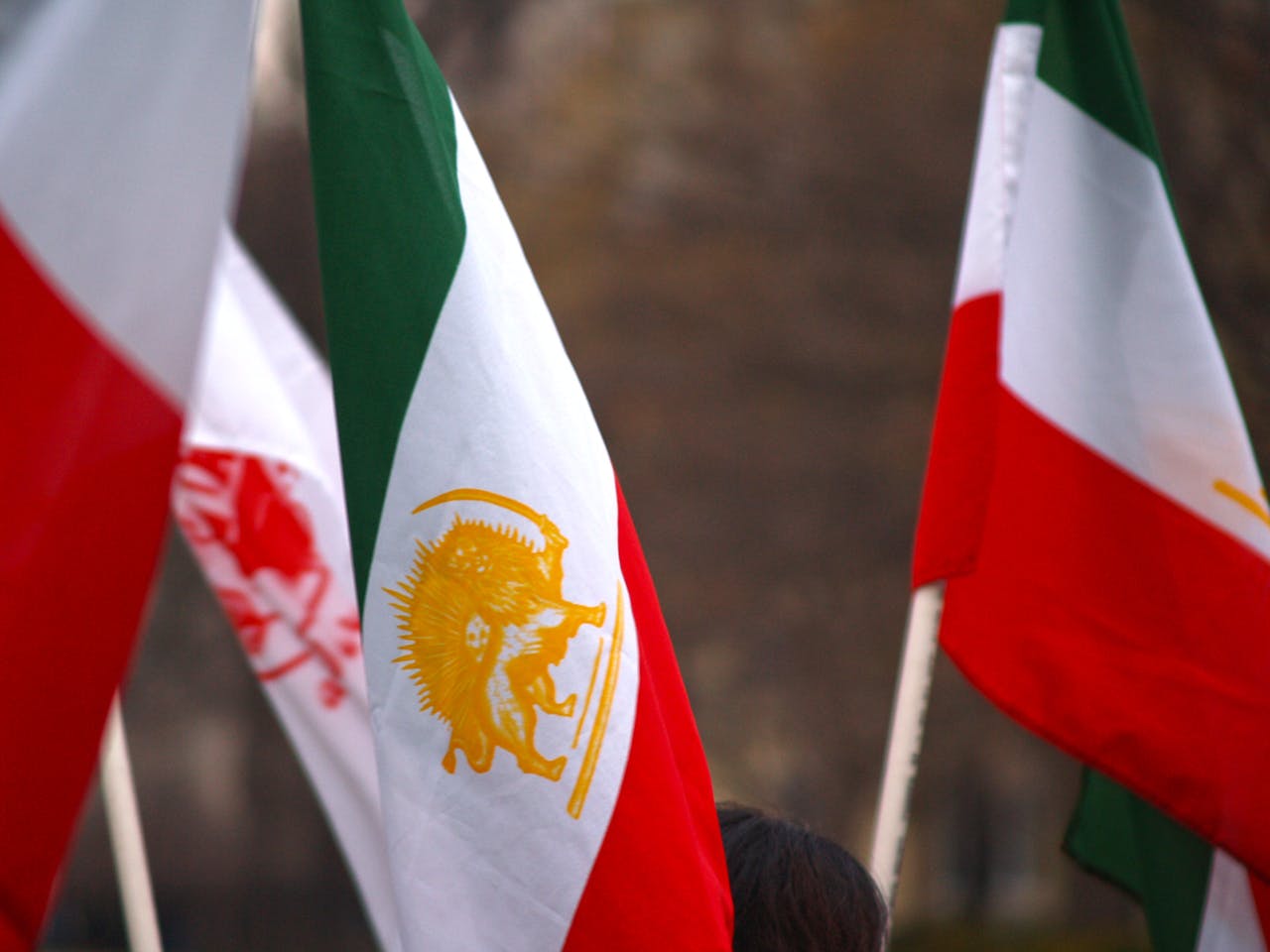
BCA Research analysts have cautioned that potential ceasefires in both Iran and Ukraine may provide only temporary support for global financial markets, as investors could be underestimating ongoing geopolitical risks and sustained energy price pressures.
According to BCA Research, the likelihood of a short-term agreement between the United States and Iran aimed at improving shipping conditions through the Strait of Hormuz has increased slightly. However, analysts believe any agreement is unlikely to restore conditions to pre-conflict levels. While financial markets would likely react positively to an Iran ceasefire, oil prices and broader commodity markets could remain elevated compared to the beginning of the year.
The firm noted that Iran’s apparent strategy is to secure a ceasefire while retaining some influence over global energy supplies. As a result, energy market volatility may continue even if tensions ease in the region.
BCA Research also highlighted growing concerns surrounding the Russia-Ukraine war. Analysts warned that Russia could benefit from higher energy revenues resulting from recent disruptions in global oil markets. These additional revenues may allow Moscow to increase military pressure on Ukraine while testing the unity of Western allies and NATO members.
Although a ceasefire would ultimately support Russia’s economic interests, BCA believes the risk of a significant Russian provocation has increased. Such a move could be intended to expose divisions within NATO and complicate efforts to reach a lasting settlement.
Given these geopolitical uncertainties, BCA Research recommends that investors maintain a defensive investment strategy. The firm favors U.S. equities over European assets and advises maintaining exposure to traditional safe-haven currencies such as the U.S. dollar and Japanese yen until durable ceasefires are established in both Iran and Ukraine.
Analysts also urged caution toward stocks and bonds in general, arguing that financial markets may have already priced in much of the optimism surrounding potential de-escalation in the Middle East. As geopolitical tensions remain unresolved, investors should remain prepared for continued market volatility and energy price fluctuations.







