


 Despite its best efforts, Iran won’t be able to toll the Strait of Hormuz. Here’s why
  Maria Corina Machado Vows Return to Venezuela After Earthquakes Despite Obstacles
  Trump Suspends Some Morocco Fertilizer Tariffs to Ease U.S. Supply Shortage
  Trump Threatens 100% Tariffs on Countries Imposing Digital Services Taxes on U.S. Tech Firms
  DOJ Sues Virginia Over Law Enforcement Mask Ban
  Super Micro Shares Slide After Taiwan Raids Over Alleged Nvidia AI Chip Smuggling Probe
  US, Iran Agree to Halt Attacks Ahead of Doha Talks on Strait of Hormuz
  Trump Announces September Overhaul of Washington’s East Potomac Golf Links
  100+ Global Companies Push Governments to Prioritize Electrification for Economic Growth
  Mexico, U.S. Launch Sterile Fly Facility to Combat New World Screwworm Outbreak
  US-Iran De-Escalation Shifts Washington’s Focus to AI Regulation and Crypto Legislation
  RFK Jr. Orders Extended Hantavirus Quarantine for Cruise Passenger
  Serbia President Aleksandar Vucic to Resign, Calls Early Elections After Months of Protests
  Bolivia Declares State of Emergency as Roadblock Crisis Deepens
  Taiwan Coast Guard Officer Finds Strength in Faith as China Increases Pressure in Taiwan Strait
  Andy Burnham Sets Out Vision to Decentralize Britain as Labour Leadership Race Begins
  US Strikes Iran Again After Strait of Hormuz Tanker Attack Escalates Ceasefire Tensions


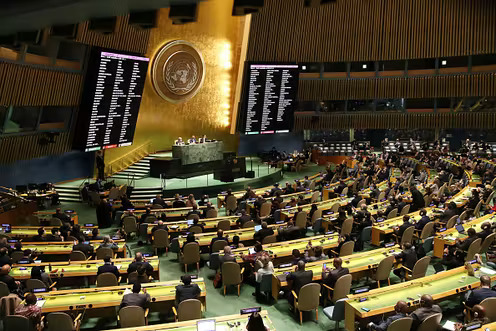
The United Nations has added Israel and Russia to its official blacklist of parties suspected of committing conflict-related sexual violence, a decision that has sparked strong international reactions and intensified diplomatic tensions. The designation appeared in the latest annual report submitted by U.N. Secretary-General António Guterres to the U.N. Security Council, highlighting allegations linked to ongoing conflicts in Gaza, the West Bank, and Ukraine.
Israel strongly rejected the decision, calling it politically motivated and disconnected from the facts. Israeli officials argued that the country has investigated allegations thoroughly and cooperated with international bodies. Following the announcement, Israel’s Foreign Ministry stated that it would suspend ties with the Secretary-General’s office until new leadership is appointed at the United Nations.
The report details multiple verified cases of sexual violence allegedly committed by Israeli armed and security forces. According to the findings, victims included men, women, and children from Gaza and the West Bank. Reported abuses ranged from rape and attempted rape to forced nudity, invasive searches, threats of sexual assault, and violence targeting victims’ genital areas. Several incidents reportedly occurred during detention, interrogation, military operations, and at checkpoints.
The U.N. also documented a significant number of cases involving Russian armed and security forces in Ukraine. Investigators verified hundreds of incidents, including rape, gang rape, genital mutilation, electric shocks, and other forms of sexual abuse. The victims included men, women, and girls affected by the ongoing conflict.
Hamas remains on the same U.N. blacklist, and Israeli officials criticized the decision to place Israel alongside the militant group. Meanwhile, Ukrainian authorities welcomed the inclusion of Russia, describing it as an important step toward accountability.
Pramila Patten, the U.N. Special Representative on Sexual Violence in Conflict, noted a dramatic global rise in verified conflict-related sexual violence cases during 2025. She warned that the documented incidents likely represent only a fraction of the actual number of abuses occurring in conflict zones worldwide.
Although inclusion on the blacklist does not automatically trigger sanctions, it can result in serious reputational consequences and may restrict participation in future U.N. peacekeeping operations. The latest report underscores growing international concern over sexual violence in armed conflicts and the need for greater accountability and protection for victims.







