


 Marco Rubio to Meet Russia’s Lavrov in New York
  Zelenskiy Warns Russia Preparing Major Attack on Ukraine
  Scott Bessent Eyed as Trump’s New AI Czar
  Venezuela Promises Elections as Delcy Rodriguez Pledges Democratic Transition
  Trump Board of Peace Unveils $2.45 Billion Gaza Recovery Plan
  Macron, Trump Discuss Ukraine-Russia Energy Strike Moratorium
  Trump Says ‘Freedom’ Is Coming to Cuba
  Iran Vows ‘Crushing’ Response as US Talks Continue
  US Officials Split Over Response to Israeli West Bank Settlements
  Gaza Faces Evacuation Crisis as War-Damaged Buildings Risk Collapse
  Taiwan Vows to Advance US Arms Sales Ahead of Trump-Xi Meeting
  Canada Unveils Bill to Fast-Track Major Resource Projects
  Russian Strikes Kill Eight Across Ukraine as Energy Sites Hit
  China Tightens Fentanyl Rules Ahead of Trump-Xi Summit
  Lula and Flavio Bolsonaro Tied in Brazil Runoff Poll
  Trump Says U.S.-Iran Peace Deal Near After UN Talks
  Europe Warns Russia Is Escalating Hybrid Attacks Across NATO


 Add as a preferred source on Google
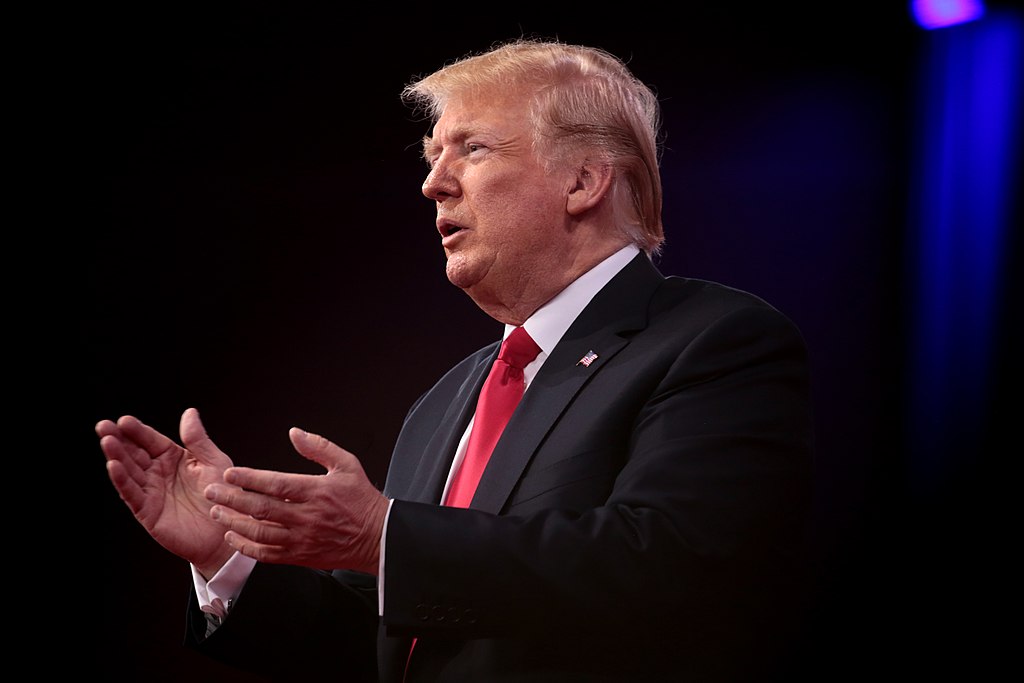
As President Donald Trump embarks on his second term in January 2025, his planned international visits offer a window into his administration's foreign policy priorities. These trips underscore a commitment to reinforcing alliances, addressing global security concerns, and advancing economic interests, all under the banner of his "America First" doctrine.
Strengthening Traditional Alliances
President Trump's itinerary includes early visits to key allies such as the United Kingdom, Japan, and Israel. These engagements aim to reaffirm longstanding partnerships and collaborate on mutual security and economic objectives. Notably, a state visit to the United Kingdom is anticipated, where discussions with Prime Minister Rishi Sunak are expected to focus on trade agreements and defense cooperation.
Addressing Global Security Challenges
In light of escalating tensions in regions like the Middle East and East Asia, Trump's planned visits to Saudi Arabia and South Korea signal a proactive approach to regional stability. In Saudi Arabia, dialogues are expected to center on counterterrorism efforts and energy security. In South Korea, discussions will likely address the North Korean nuclear threat and the future of U.S. military presence on the peninsula.
Economic Diplomacy and Trade Relations
The administration's focus on renegotiating trade deals is evident in planned trips to China and Mexico. In China, President Trump aims to address trade imbalances and intellectual property concerns, building upon the Phase One trade deal established during his first term. In Mexico, discussions are expected to revolve around the United States-Mexico-Canada Agreement (USMCA) and immigration issues.
Controversial Engagements
One of the more contentious aspects of Trump's foreign agenda is a proposed visit to Russia. This trip has sparked debate due to ongoing concerns about election interference and human rights issues. Critics argue that engaging with President Vladimir Putin could be perceived as condoning aggressive actions, while supporters contend that dialogue is essential for global stability.
Public Reaction
The announcement of President Trump's foreign travel plans has elicited a spectrum of reactions:
-
@GlobalCitizen: "Engaging with allies is crucial, but we must hold adversaries accountable. Tread carefully."
-
@AmericaFirstPatriot: "Finally, a president who puts our interests first. Strength through diplomacy!"
-
@HumanRightsAdvocate: "Visiting authoritarian regimes sends the wrong message. We must stand for democracy and human rights."
Conclusion
President Trump's 2025 foreign trips underscore a strategic approach to international relations, emphasizing the reinforcement of alliances, proactive engagement in global security, and assertive economic diplomacy. While these initiatives aim to bolster America's standing on the world stage, they also present challenges and controversies that will require careful navigation to maintain global stability and uphold democratic values.







