


 Trump Meets Venezuela’s Delcy Rodriguez at UN Assembly
  Zelenskiy Warns Russia Preparing Major Attack on Ukraine
  Burnham Eyes UK Leadership Role in AI Ahead of Trump Meeting
  Taiwan Vows to Advance US Arms Sales Ahead of Trump-Xi Meeting
  Marco Rubio to Meet Russia’s Lavrov in New York
  Gaza Faces Evacuation Crisis as War-Damaged Buildings Risk Collapse
  Lula and Flavio Bolsonaro Tied in Brazil Runoff Poll
  Trump Says U.S.-Iran Peace Deal Near After UN Talks
  US Officials Split Over Response to Israeli West Bank Settlements
  Trump Board of Peace Unveils $2.45 Billion Gaza Recovery Plan
  Canada Unveils Bill to Fast-Track Major Resource Projects
  Scott Bessent Eyed as Trump’s New AI Czar
  US Invites Putin to Miami G20, Opening Door to Trump Summit
  Macron, Trump Discuss Ukraine-Russia Energy Strike Moratorium
  China Tightens Fentanyl Rules Ahead of Trump-Xi Summit
  Iran Vows ‘Crushing’ Response as US Talks Continue
  Venezuela Promises Elections as Delcy Rodriguez Pledges Democratic Transition


 Add as a preferred source on Google
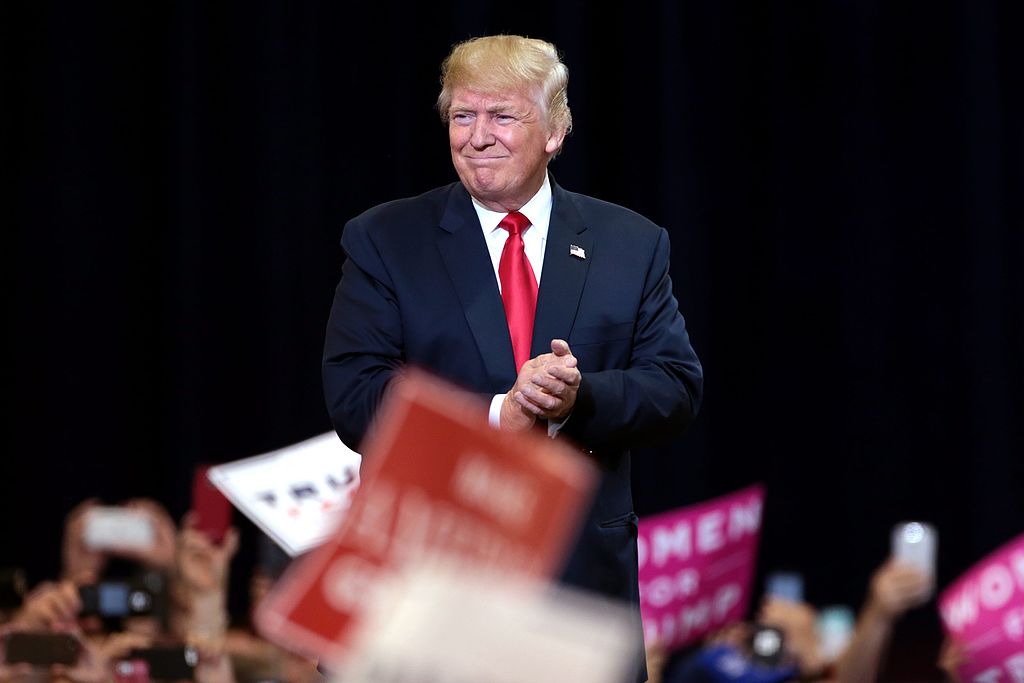
As President Donald Trump prepares to begin his second term in January 2025, his administration is outlining a comprehensive approach to gun control, emphasizing the protection of Second Amendment rights while addressing national security concerns.
Advocacy for Armed School Personnel
A central component of Trump's gun policy is the proposal to station armed guards in schools nationwide. This initiative aims to enhance student safety and deter potential threats. Critics argue that introducing firearms into educational environments may escalate violence and create a climate of fear among students and staff.
Reversal of Previous Gun Control Measures
The administration plans to dismantle gun control regulations implemented during the Biden-Harris era, including the Bipartisan Safer Communities Act, which was the most significant gun violence prevention legislation in nearly 30 years. This act aimed to keep firearms out of the hands of individuals under 21 who are prohibited from purchasing them and empowered the Justice Department to prosecute firearms traffickers. The proposed rollback has sparked concerns about potential increases in gun violence and the undermining of recent progress in gun safety.
National Concealed Carry Reciprocity
Trump's policy includes advocating for national concealed carry reciprocity, allowing individuals with concealed carry permits in one state to have their permits recognized across state lines. Supporters argue that this measure upholds constitutional rights and simplifies regulations for gun owners. Opponents warn that it could lead to inconsistencies in state laws and complicate law enforcement efforts.
Public Reaction
The proposed gun policies have elicited a range of responses:
-
@SafetyAdvocate: "Arming schools is not the solution. We need comprehensive gun reform to protect our children."
-
@SecondAmendmentSupporter: "Finally, a president who respects our rights. National reciprocity is a win for law-abiding citizens."
-
@EducatorVoice: "Introducing guns into schools is a dangerous precedent. Our focus should be on education, not militarization."
Conclusion
President Trump's 2025 gun control strategy underscores a commitment to preserving Second Amendment rights while proposing measures aimed at enhancing public safety. The administration's approach has ignited a national debate, reflecting the complex and deeply rooted perspectives on gun control in the United States. As these policies are implemented, their impact on society and public safety will be closely scrutinized.







