


 Trump Administration Plans Faster FDA Reviews for Smoke-Free Nicotine Products
  South Korea, US Discuss Warship Building Cooperation
  Sudan Rejects US Legitimacy Remarks, Defends Sovereignty
  Venezuela Promises Elections as Delcy Rodriguez Pledges Democratic Transition
  Russian Strikes Kill Eight Across Ukraine as Energy Sites Hit
  Burnham Eyes UK Leadership Role in AI Ahead of Trump Meeting
  US, China Extend Trade Truce to Jan. 10 Ahead of Trump-Xi Summit
  Kremlin Says No Grounds Yet for Ukraine Peace Talks
  Ghana Says Western Support Growing for Slave Trade Reparations
  Macron Challenges Trump’s Gaza Peace Claims at UN
  Russian Envoy Dmitriev Heads to US for Ukraine Talks
  Trump Board of Peace Unveils $2.45 Billion Gaza Recovery Plan
  US Invites Putin to Miami G20, Opening Door to Trump Summit
  Gaza Faces Evacuation Crisis as War-Damaged Buildings Risk Collapse
  Macron, Trump Discuss Ukraine-Russia Energy Strike Moratorium
  Europe Warns Russia Is Escalating Hybrid Attacks Across NATO
  Iran Vows ‘Crushing’ Response as US Talks Continue


 Add as a preferred source on Google
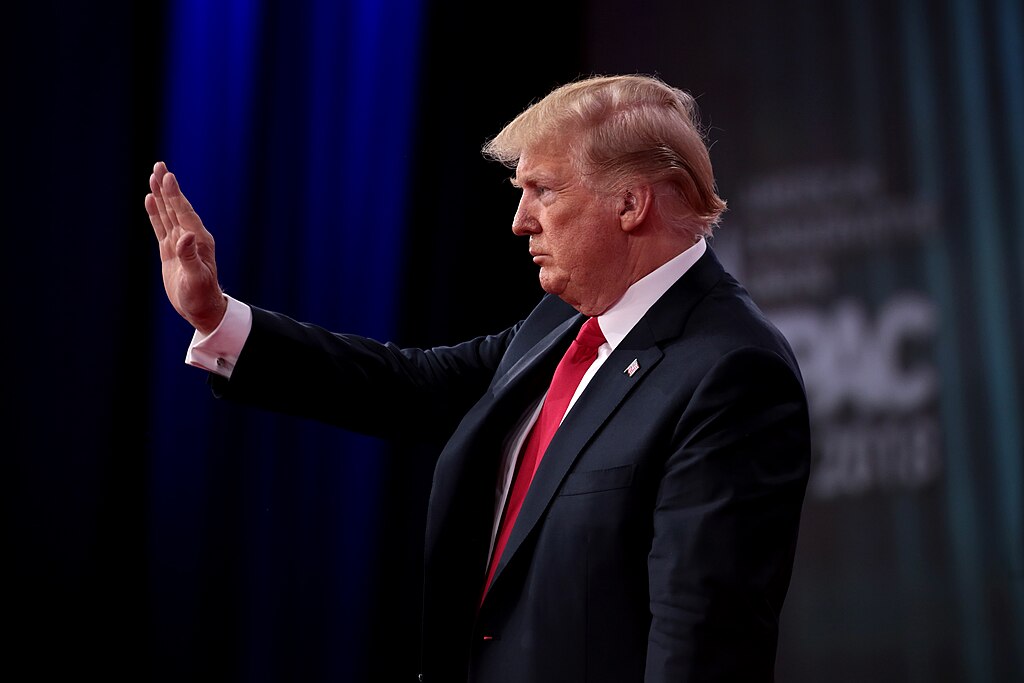
As President Donald Trump prepares to begin his second term in January 2025, his administration is set to reinstate and expand travel restrictions targeting countries deemed high-risk for terrorism. This move has reignited debates over national security, immigration policy, and international relations.
Reinstatement and Expansion of Travel Ban
The original travel ban, implemented in 2017, restricted entry from several predominantly Muslim countries, including Iran, Libya, Somalia, Syria, and Yemen. Critics labeled it a "Muslim ban," a characterization the administration disputes. In 2020, additional countries were added to the list, such as Nigeria, Myanmar, Eritrea, Kyrgyzstan, Sudan, and Tanzania. The Supreme Court upheld the ban in 2018, affirming the president's authority to impose such restrictions.
In 2021, President Joe Biden revoked the travel bans, citing concerns over discrimination and their impact on U.S. foreign policy. However, President-elect Trump has announced plans to not only reinstate the previous bans but also expand them to include additional countries identified as security threats. While the specific nations have not been officially disclosed, reports suggest that Afghanistan, Iraq, and Tajikistan are under consideration due to concerns over their vetting processes and potential terrorist activities.
Rationale and Criticism
The administration argues that these measures are essential for national security, aiming to prevent individuals from regions with inadequate vetting procedures from entering the United States. Supporters contend that the expanded travel ban is a necessary step to protect American citizens from potential terrorist threats.
Conversely, critics argue that the travel bans are discriminatory and ineffective. Civil rights organizations, including the American Civil Liberties Union (ACLU), have condemned the policy, stating that it unfairly targets Muslim-majority countries and undermines America's commitment to diversity and inclusion. Legal challenges are anticipated, with opponents preparing to contest the expanded bans in court.
International Response
The proposed expansion has elicited strong reactions from the international community. Governments of the countries potentially affected have expressed concern over the implications for diplomatic relations and the impact on their citizens. Human rights organizations have also voiced opposition, arguing that such measures could exacerbate humanitarian crises by limiting avenues for asylum seekers and refugees.
Public Reaction
The announcement has sparked a flurry of responses on social media platforms:
-
@GlobalCitizen: "Expanding the travel ban is a step backward for international cooperation and human rights."
-
@SecurityFirst: "Protecting our borders is paramount. The expanded travel ban is a necessary measure."
-
@ImmigrationAdvocate: "This policy discriminates against entire nations and fuels xenophobia. We must stand against it."
Conclusion
President Trump's plan to reinstate and expand travel bans in 2025 has reignited a contentious debate over the balance between national security and civil liberties. As the administration moves forward with its policy, legal challenges and international scrutiny are expected to intensify, highlighting the complexities of implementing such measures in a globally connected world.







