


 Scott Bessent Eyed as Trump’s New AI Czar
  Trump Meets Venezuela’s Delcy Rodriguez at UN Assembly
  Macron Challenges Trump’s Gaza Peace Claims at UN
  Trump Says ‘Freedom’ Is Coming to Cuba
  US Invites Putin to Miami G20, Opening Door to Trump Summit
  Zelenskiy Warns Russia Preparing Major Attack on Ukraine
  China Tightens Fentanyl Rules Ahead of Trump-Xi Summit
  Lula and Flavio Bolsonaro Tied in Brazil Runoff Poll
  US Officials Split Over Response to Israeli West Bank Settlements
  Trump to Press Xi on Release of US Nuclear Expert Held in China
  Trump Board of Peace Unveils $2.45 Billion Gaza Recovery Plan
  Marco Rubio to Meet Russia’s Lavrov in New York
  Macron, Trump Discuss Ukraine-Russia Energy Strike Moratorium
  Vietnam, US Trade Deal Could Be Signed Soon, To Lam Says
  Canada Unveils Bill to Fast-Track Major Resource Projects
  South Korea, US Discuss Warship Building Cooperation
  Russian Strikes Kill Eight Across Ukraine as Energy Sites Hit


 Add as a preferred source on Google
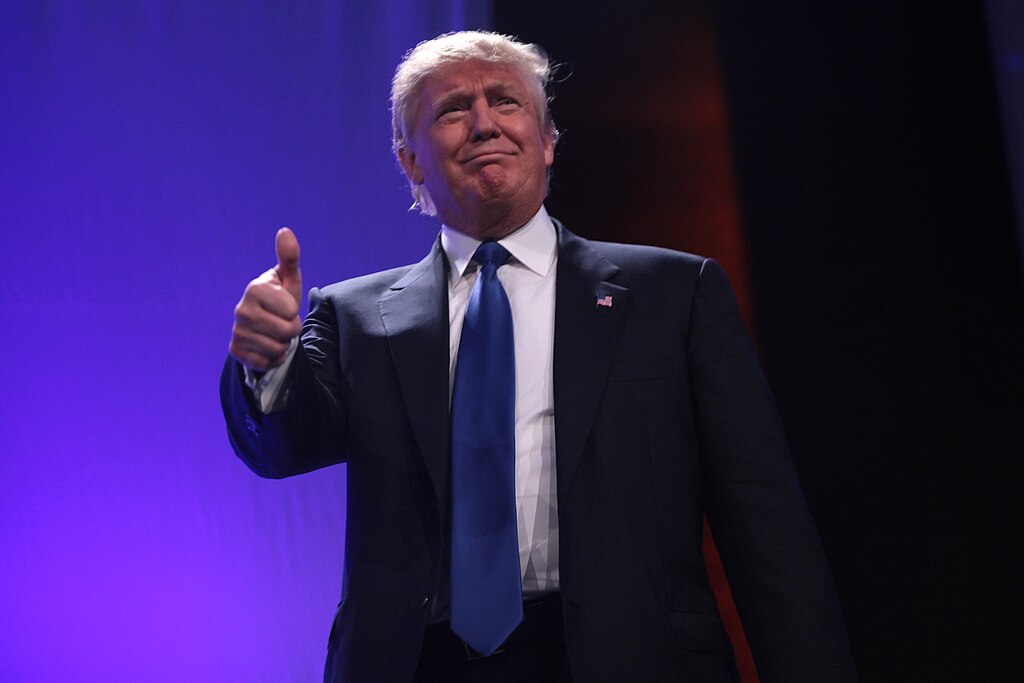
As President Donald Trump embarks on his second term in January 2025, his administration is poised to make significant judicial appointments that could reshape the federal judiciary for decades. Building upon his first-term legacy of appointing 234 federal judges, including three Supreme Court justices, Trump aims to further solidify a conservative judicial philosophy across the nation's courts.
Supreme Court Prospects
With the potential for additional vacancies on the Supreme Court, Trump's shortlist reportedly includes staunch conservatives committed to originalist interpretations of the Constitution. Legal analysts suggest that such appointments could entrench a conservative majority, influencing rulings on pivotal issues like abortion, gun rights, and executive power.
Lower Court Appointments
Beyond the Supreme Court, the administration is expected to focus on filling vacancies in the U.S. Courts of Appeals and District Courts. Emphasizing candidates with strong conservative credentials, the goal is to ensure that judicial decisions align with the administration's policy objectives. This strategy reflects a departure from traditional reliance on the Federalist Society, as Trump seeks judges who demonstrate unwavering loyalty to his agenda.
Controversial Nominations
Among the anticipated nominees is Representative Matt Gaetz for Attorney General, a choice that has sparked considerable debate. Gaetz's nomination faces scrutiny due to past allegations and his outspoken political stance, raising concerns about the politicization of the Department of Justice. Senate Republicans are reportedly divided over the confirmation, with some expressing reservations about the potential impact on the department's integrity.
Public Reaction
The administration's judicial appointment strategy has elicited a spectrum of reactions:
-
@LegalEagle: "Stacking the courts with loyalists undermines judicial independence. This sets a dangerous precedent."
-
@ConservativeVoice: "Finally, a president committed to restoring constitutional principles in our judiciary. Long overdue!"
-
@JusticeForAll: "Concerned about the erosion of checks and balances. The judiciary must remain impartial."
Conclusion
President Trump's 2025 judicial appointment plans signal a concerted effort to influence the federal judiciary's direction for generations. While supporters applaud the move toward conservative jurisprudence, critics warn of potential threats to judicial independence and the balance of powers. As the nomination process unfolds, the nation watches closely, aware of the profound implications these appointments hold for the future of American law and governance.







