


 US Expands Social Media Vetting to Foreign Journalists Seeking Visas
  US Expects Iran-Oman Hormuz Shipping Deal Soon
  Germany Warns of Daily Hybrid Warfare Threats
  SEC Moves to Dismiss Insider Trading Case Against Trump-Pardoned Terren Peizer
  Russian Strikes Kill Six in Eastern and Northern Ukraine, Dozens Injured
  Senate Majority Leader John Thune Moves to Advance Crypto Clarity Act
  North Korea May Deploy 120 Missiles to Russia
  ICE to Complete Nationwide Body Camera Rollout by End of August
  Trump Administration Weighs Executive Order on Vaccines and Autism Research
  Joe Biden’s Prostate Cancer Has Spread Further, Hunter Biden Says
  Trump Orders Probe Into Pentagon Munitions Stockpile Leaks After Iran Conflict
  Bezalel Smotrich Faces Election Battle as Israel’s Far-Right Vote Fractures
  Taiwan Tests Penghu Defense, Mobile Internet Limits in War Drills
  South Korea, US Set Major Military Drills for August
  Trump Faces Tough Choices as Iran War Drags On
  Houthi Attack on Yemen’s Mocha Port Kills Seven, Injures 30


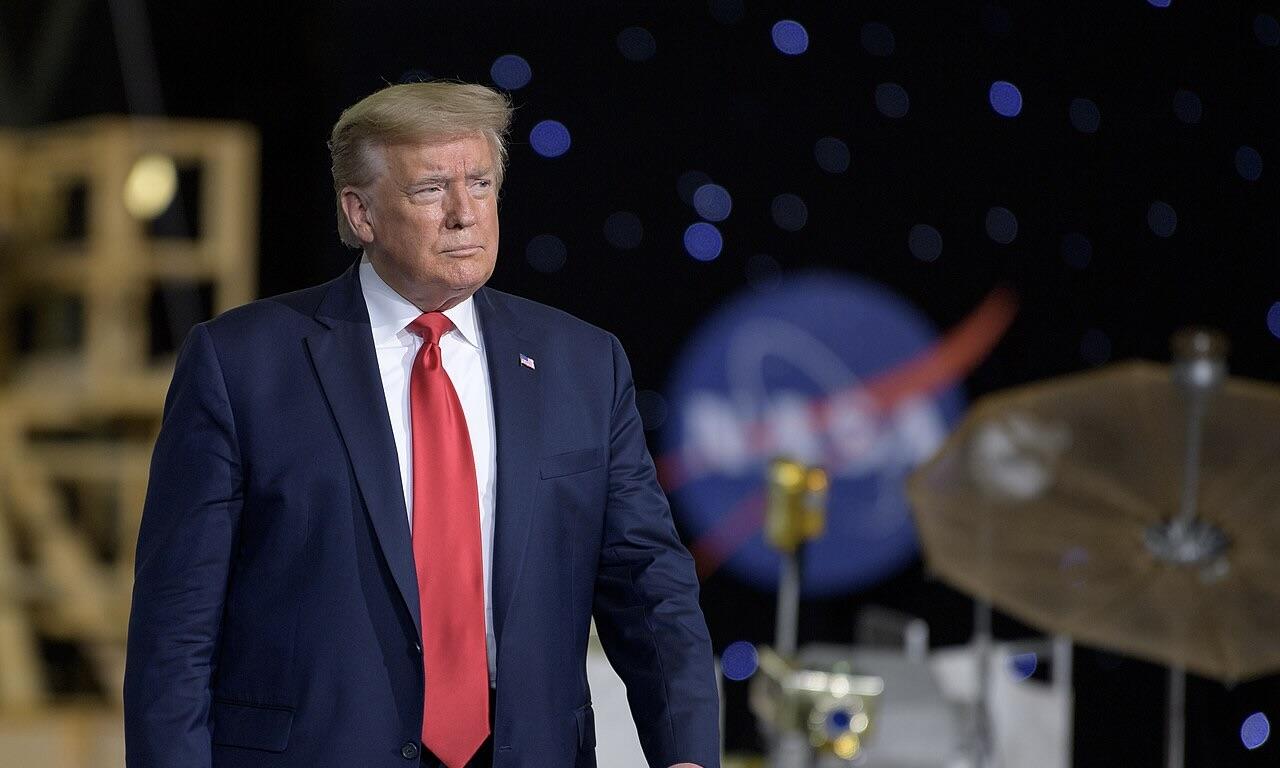
Former President Donald Trump is laying out ambitious plans to overhaul the U.S. education system in 2025. With an emphasis on school choice, improving access to quality education, and better aligning education with workforce needs, Trump’s proposals aim to reshape how American students learn and prepare for their future careers. His goals for education reform focus on empowering parents, enhancing vocational training, and revising federal involvement in K-12 and higher education.
Trump’s vision for school reform prioritizes the concept of school choice, aiming to give families more control over where and how their children receive an education. This would include expanding access to charter schools, private schools, and homeschooling options, providing a broader range of educational opportunities to families across the country.
Expanding School Choice to Enhance Educational Opportunities
Central to Trump’s education agenda is the idea that more options lead to better outcomes. Advocates of school choice believe that giving parents the ability to choose their children's schools will force public institutions to improve in order to compete. Trump has expressed his support for increasing federal funding for school choice programs, which would allow families to use public education funds for private schooling, charter schools, or even homeschooling.
In line with this approach, Trump is pushing for policies that would remove restrictions on charter schools and create tax credits for families sending their children to private institutions. The idea is to give parents more flexibility in selecting the best educational environment for their children, particularly in areas where public schools may be underperforming.
Aligning Education with Workforce Needs and Vocational Training
Another pillar of Trump’s education plan is improving alignment between schools and the workforce. With the U.S. economy evolving rapidly, Trump believes that education should better equip students with practical skills and knowledge directly applicable to high-demand jobs. This involves increasing funding for vocational education and apprenticeships, which can serve as viable alternatives to four-year college degrees.
Trump has consistently argued that not every student needs to attend college to be successful. He has proposed expanding access to community colleges and vocational training programs, which would help students develop specialized skills that are highly sought after by employers. By emphasizing these paths, Trump aims to address the growing skills gap in the U.S. labor market and ensure students are better prepared for careers in fields like manufacturing, technology, and healthcare.
Public Reaction: What Are People Saying?
Trump’s education reform plans have sparked a mix of support and skepticism. Here are some reactions from Twitter users:
- @EdReformer29: "School choice is the future! It’s about time we give parents more control over their kids’ education. #TrumpEducation"
- @TeachersForChange: "I’m not convinced that privatizing education will improve outcomes for students. We need more funding for public schools, not less. #TrumpEducationPlan"
- @FutureWorkforce1: "Vocational training is a game-changer. Let’s focus on skills that matter for the job market. #EducationReform"
- @PublicSchoolPride: "Why are we focusing so much on private schools when public schools need help? #FixPublicEducation #TrumpEducation"
- @CollegeReady4All: "Not everyone needs a four-year degree. Love that Trump’s addressing workforce readiness. #VocationalTraining"
- @EqualEducationNow: "More school choice sounds great, but what happens to the students left behind in underfunded districts? #TrumpEducation"
The Long-Term Impact of Trump’s Education Reforms
While Trump’s education proposals offer some potential benefits, there are significant challenges ahead. The push for school choice and increased privatization of education may exacerbate inequalities, particularly in low-income areas where families have fewer educational options. Additionally, while vocational training could address the skills gap, it may not be sufficient to meet the demand for higher-skilled workers in the long term.
However, Trump’s education agenda highlights the need for greater innovation in education. His emphasis on aligning schooling with workforce needs reflects the shifting demands of a global economy. Whether these reforms will lead to a comprehensive and effective transformation of the U.S. education system remains to be seen.







