


 Colombia President Abelardo De La Espriella Pledges Drug Crackdown, Economic Reforms
  North Korea May Deploy 120 Missiles to Russia
  US Expands Social Media Vetting to Foreign Journalists Seeking Visas
  ICE to Complete Nationwide Body Camera Rollout by End of August
  Rubio, UK’s Miliband Stress Stronger European Security Role in Washington Talks
  Russian Strikes on Ukraine Kill Six, Wound Dozens in Balakliia and Sumy
  Abdul El-Sayed Wins Michigan Democratic Senate Primary, Sets Up Key Midterm Showdown
  Bezalel Smotrich Faces Election Battle as Israel’s Far-Right Vote Fractures
  Iran-Oman Near Strait of Hormuz Deal as Shipping Tensions Persist
  US-Backed Venezuela Government, Opposition Talks Begin
  SEC Moves to Dismiss Insider Trading Case Against Trump-Pardoned Terren Peizer
  Trump Orders Probe Into Pentagon Munitions Stockpile Leaks After Iran Conflict
  Russia Intensifies Drone and Bomb Attacks on Ukraine’s Zaporizhzhia, Deepening Civilian Fear
  Trump Administration Plans $1 Billion Security Aid Package for Colombia
  US Continues Ukraine Patriot Missile Production Talks Despite Trump Doubts
  Trump Unveils $3 Billion U.S. Critical Minerals Push
  Joe Biden’s Prostate Cancer Has Spread Further, Hunter Biden Says


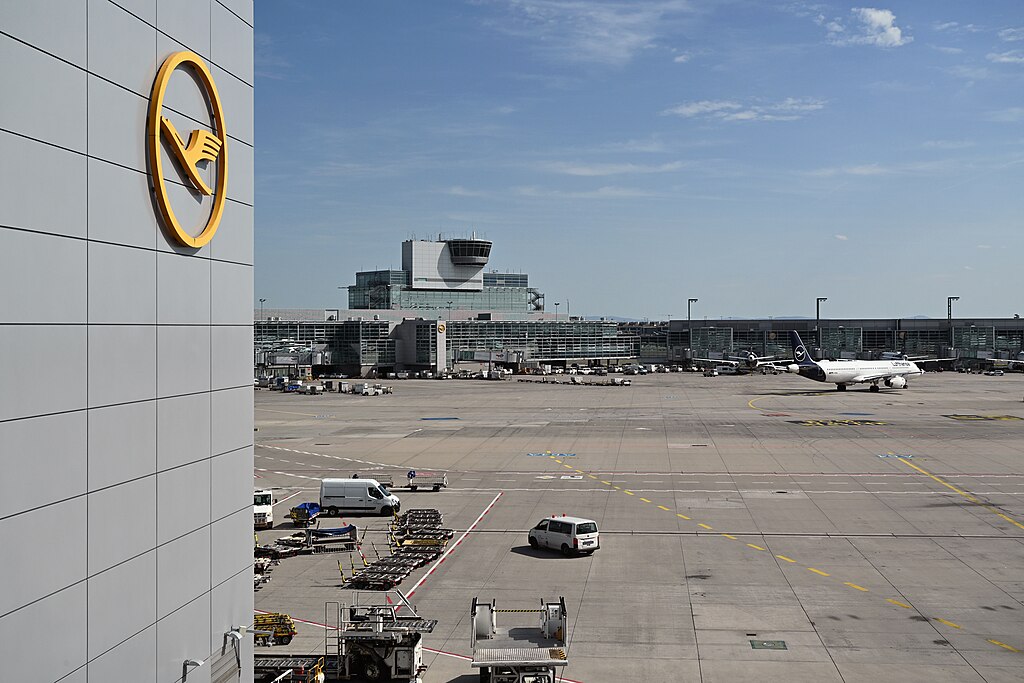
Germany is facing foreign hybrid warfare operations on a daily basis, Interior Minister Alexander Dobrindt has warned after authorities discovered an explosive-carrying drone at Leipzig/Halle Airport.
Dobrindt said hostile foreign actors are increasingly relying on espionage, sabotage, cyberattacks and covert operations to undermine Germany’s security. Speaking to German newspaper Bild am Sonntag, he said the country is not formally at war but remains a regular target of hybrid warfare designed to spread fear, destabilise society and cause direct damage.
The warning follows the discovery on Tuesday of a drone carrying explosives at Leipzig/Halle Airport in eastern Germany. While some German lawmakers have suggested Russia could be involved, authorities have not publicly identified who was responsible for the suspected attack attempt.
Russia’s embassy in Berlin denied the allegations, describing the incident as a fabricated provocation and criticising what it said were accusations against Moscow without supporting evidence.
Dobrindt has previously called the Leipzig incident a potential “hybrid attack scenario,” although he stopped short of attributing it to a foreign government.
German security concerns intensified after the armed forces reported two drones flying over a military base in Mechernich, North Rhine-Westphalia, late Thursday. Authorities have not established any connection between those sightings and the Leipzig/Halle Airport incident.
Germany has been strengthening security around airports, military facilities and other critical infrastructure as suspicious drone activity, cyberattacks and alleged sabotage raise concerns across Europe.
As part of the government’s response, Dobrindt said Germany plans to expand domestic drone research. Greater investment could improve drone detection, tracking and counter-drone technology, giving security agencies additional tools to respond to emerging threats.
The latest incidents could also increase pressure on Berlin to boost spending on defence technology and domestic security. Germany and other European countries are seeking stronger protection against hybrid threats that can disrupt infrastructure and national security without escalating into conventional military conflict.







