


 Ukraine Agrees to Protect Kazakhstan Oil Exports via Black Sea
  Iran-Oman Hormuz Shipping Deal Nears Final Stage
  Trump Orders Probe Into Pentagon Munitions Stockpile Leaks After Iran Conflict
  Trump Administration Plans $1 Billion Security Aid Package for Colombia
  US ‘Digging In’ Across Indo-Pacific, Pentagon Official Says
  Colombia President Abelardo De La Espriella Pledges Drug Crackdown, Economic Reforms
  US Expects Iran-Oman Hormuz Shipping Deal Soon
  Russia Intensifies Drone and Bomb Attacks on Ukraine’s Zaporizhzhia, Deepening Civilian Fear
  Russian Strikes on Ukraine Kill Six, Wound Dozens in Balakliia and Sumy
  Joe Biden’s Prostate Cancer Has Spread Further, Hunter Biden Says
  Germany Warns of Daily Hybrid Warfare Threats
  US-Backed Venezuela Government, Opposition Talks Begin
  Bezalel Smotrich Faces Election Battle as Israel’s Far-Right Vote Fractures
  Senate Majority Leader John Thune Moves to Advance Crypto Clarity Act
  New Zealand MMP Electoral System Faces Fresh Referendum Debate
  US Expands Social Media Vetting to Foreign Journalists Seeking Visas


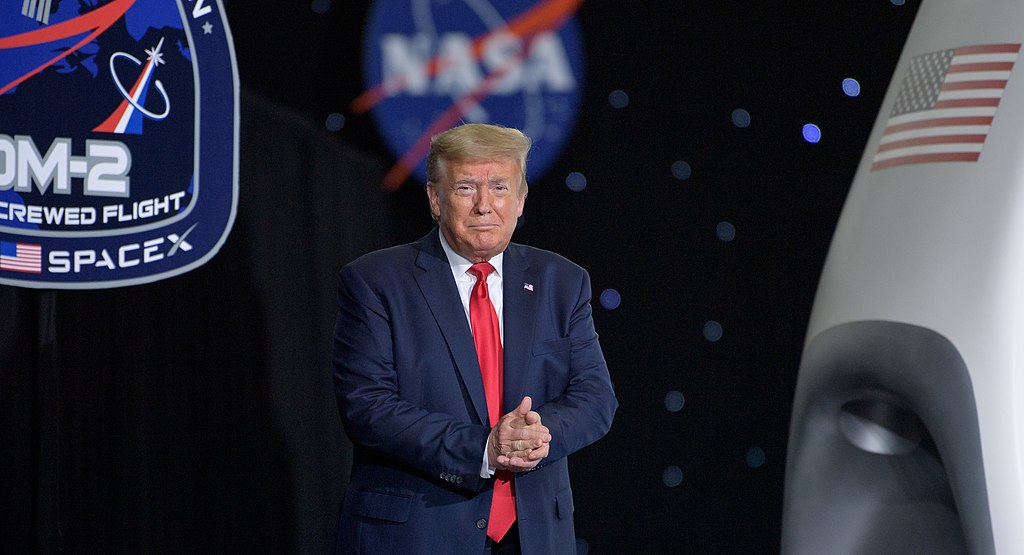
As part of his broader economic strategy, former President Donald Trump aimed to reinvigorate the U.S. tourism industry by introducing measures designed to increase international visitation and boost domestic travel. With an emphasis on making the United States a more attractive destination for tourists worldwide, Trump’s policies sought to tap into the $1.6 trillion global tourism market, encouraging spending and job creation in the hospitality sector.
Visa Reforms and Improved Travel Accessibility
One of Trump’s key strategies for revitalizing tourism was to streamline visa processes and make it easier for international tourists to visit the U.S. The administration proposed simplifying the visa application process for certain countries and expanding the U.S. Visa Waiver Program. This would allow tourists from more countries to travel to the U.S. without needing a visa, making it more convenient for travelers to visit popular destinations like New York City, Florida, and California.
Moreover, the Trump administration worked to enhance airport security and modernize U.S. customs facilities to reduce wait times and improve the overall travel experience. By addressing barriers to entry, Trump aimed to create a more seamless and welcoming experience for international visitors.
Tax Incentives and Infrastructure Investment for Tourism Growth
Trump also pushed for greater investment in the country’s tourism infrastructure, including airports, hotels, and tourist attractions. By proposing tax incentives for businesses in the tourism sector, his administration hoped to stimulate private-sector investment and promote the development of new tourist destinations across the country. The goal was to make U.S. cities and rural areas more appealing to international travelers by improving the quality of services, transportation, and accommodations.
To further enhance the tourism experience, Trump called for significant upgrades to the U.S. infrastructure, which included expanding transportation options like high-speed trains and increasing access to remote areas. The administration believed these improvements would attract more tourists and contribute to economic growth by creating more jobs within the hospitality and service sectors.
Aggressive Marketing Campaigns and Promoting U.S. Destinations
In addition to policy reforms, Trump’s administration launched aggressive marketing campaigns to promote U.S. tourism internationally. The campaign, under the “See the USA” slogan, sought to highlight the country’s diverse attractions, from iconic landmarks like the Grand Canyon and the Statue of Liberty to lesser-known natural wonders and cultural events across the nation. By showcasing the U.S. as a global destination for adventure, relaxation, and cultural exploration, Trump hoped to rekindle international interest in visiting the United States.
Public Reaction: What Are People Saying?
While Trump’s tourism strategies garnered praise from some, they also received backlash. Here are some reactions from Twitter users:
- @TravelFanatic44: "Simplifying visa processes will definitely boost tourism, but will it be enough? #TrumpTourism"
- @GlobalNomad22: "It’s good to see a focus on infrastructure upgrades. The U.S. tourism industry is long overdue for improvement. #TravelAmerica"
- @AirportLover52: "Improving security checks is a plus, but I’m worried about the long-term impact of these changes. #TrumpTravel"
- @NYCTouristGuide: "While the tax incentives are appealing, will they truly result in better destinations for tourists? #TrumpTourismPolicy"
- @TouristInUSA: "I’m cautiously optimistic. Hopefully, these policies bring more international visitors without compromising the experience. #USATravel"
- @CultureExplorer17: "Promoting the country’s diverse tourism spots is great, but I’d love to see more focus on sustainability. #TravelConcerns"
The Long-Term Impact on the U.S. Tourism Industry
It remains to be seen how effective Trump’s tourism policies will be in the long run. While initiatives such as tax incentives, infrastructure improvements, and marketing campaigns may generate interest, challenges such as geopolitical tensions, economic downturns, and the evolving global travel landscape could impact the success of these strategies.
Despite the uncertainties, Trump’s focus on revitalizing the tourism industry underscores the significance of global travel as a key driver of economic growth and job creation. As the tourism sector continues to recover from the effects of the COVID-19 pandemic, these policies will play an important role in shaping the future of travel to the United States.







