


 Burnham Eyes UK Leadership Role in AI Ahead of Trump Meeting
  Asian Stocks Mixed Ahead of Trump-Xi Meeting
  Lula Meets Mamdani in New York as Elections Approach
  Marco Rubio to Meet Russia’s Lavrov in New York
  Gold Prices Hold Steady Ahead of Trump-Xi Summit, Middle East Risks
  Trump Board of Peace Unveils $2.45 Billion Gaza Recovery Plan
  China Tightens Fentanyl Rules Ahead of Trump-Xi Summit
  US, Japan and South Korea Back Taiwan Ahead of Trump-Xi Summit
  Asian Currencies Muted as Dollar Firms Ahead of Trump-Xi Summit
  Wall Street Surges as Meta Leads AI Rally, Oil Prices Fall
  Gold Prices Rise as Oil Slide Eases Fed Rate Hike Fears
  Gold Prices Rise as Oil Slump Eases Fed Rate Hike Fears
  Paramount-Warner Bros $110 Billion Deal Draws Antitrust Backlash
  Trump Says ‘Freedom’ Is Coming to Cuba
  UK, Mauritius Seek Diego Garcia Base Deal
  US Stock Futures Rise as Meta Muse Fuels AI Rally
  Scott Bessent Eyed as Trump’s New AI Czar


 Add as a preferred source on Google
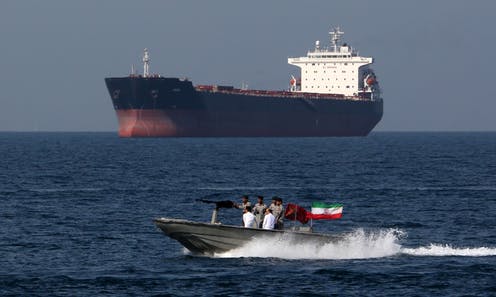
Iran and Oman are nearing an agreement on shipping through the Strait of Hormuz, but Tehran says a bilateral deal alone will not be enough to fully reopen the critical global energy route.
Iranian Foreign Minister Abbas Araqchi said the two countries were “very close” to agreeing on a new shipping route through the strait. However, he stressed that restoring normal commercial traffic would depend on broader conditions, including compensation from the United States.
Iranian officials have also demanded an end to U.S. threats and military action, sanctions relief, the release of frozen Iranian assets and measures addressing actions against Iran and its regional allies.
Oman described negotiations with Tehran over Strait of Hormuz shipping arrangements as “positive and constructive.” Muscat also condemned repeated attacks on vessels crossing the waterway and urged all parties to avoid actions that could undermine diplomatic progress.
Araqchi said Iran no longer considers the previous shipping traffic separation system acceptable. Tehran and Muscat are discussing a temporary shipping route while technical and legal issues surrounding a permanent arrangement are addressed.
Despite the diplomatic efforts, security risks remain high. The United Arab Emirates said a carrier linked to its state oil company was struck by a missile while transiting the Strait of Hormuz. No injuries were reported. The UK Maritime Trade Operations said a vessel caught fire after being hit by an unidentified projectile, although the blaze was extinguished without reported environmental damage. Iranian authorities did not immediately comment.
The Strait of Hormuz has become a central issue in the five-month conflict involving Iran, the United States and Israel. Before the war, roughly one-fifth of global oil and gas shipments passed through the strategic waterway.
A U.S. official said Washington expects an Iran-Oman agreement soon that could help normal oil traffic resume. The official added that the United States could lift its blockade of Iranian ports once commercial shipping is restored without obstruction, with U.S. measures linked to Iran fulfilling its commitments.
Iran’s Revolutionary Guards, however, maintain that reopening the Strait of Hormuz ultimately depends on Washington accepting Tehran’s conditions. Continued uncertainty over the waterway has disrupted global energy shipments, pushed oil prices higher and intensified inflation concerns worldwide.







