


 South Korea, US Set Major Military Drills for August
  Colombia President Abelardo De La Espriella Pledges Drug Crackdown, Economic Reforms
  ICE to Complete Nationwide Body Camera Rollout by End of August
  Trump Faces Tough Choices as Iran War Drags On
  North Korea May Deploy 120 Missiles to Russia
  Trump Orders Probe Into Pentagon Munitions Stockpile Leaks After Iran Conflict
  Ukraine Agrees to Protect Kazakhstan Oil Exports via Black Sea
  Senate Majority Leader John Thune Moves to Advance Crypto Clarity Act
  New Zealand MMP Electoral System Faces Fresh Referendum Debate
  Myanmar Rejects ASEAN Special Envoy, Challenges Regional Peace Plan
  Trump Administration Weighs Executive Order on Vaccines and Autism Research
  Russia Intensifies Drone and Bomb Attacks on Ukraine’s Zaporizhzhia, Deepening Civilian Fear
  US ‘Digging In’ Across Indo-Pacific, Pentagon Official Says
  Russian Strikes on Ukraine Kill Six, Wound Dozens in Balakliia and Sumy
  US-Backed Venezuela Government, Opposition Talks Begin
  Trump Unveils $3 Billion U.S. Critical Minerals Push
  Iran-Oman Near Strait of Hormuz Deal as Shipping Tensions Persist


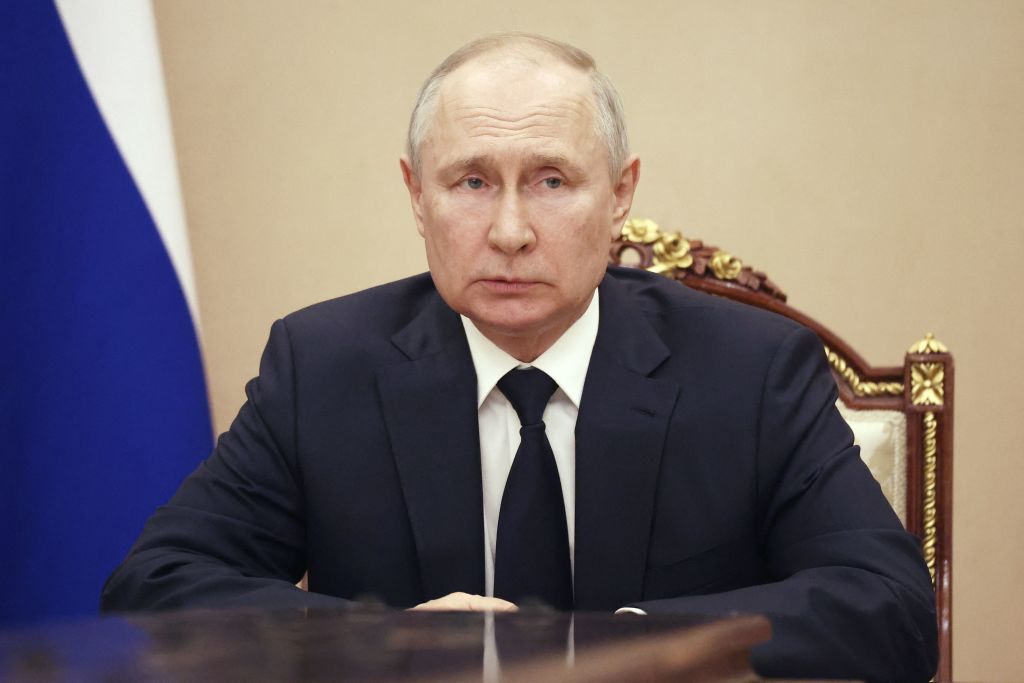
In a controversial statement aired on Russian state television, Vladimir Solovyov, a prominent TV host and close ally of Russian President Vladimir Putin, called for the return of Alaska to Russia. The remark, made on December 28, 2024, has fueled further tension amid escalating global security concerns, especially surrounding the ongoing war in Ukraine.
The Historical Context Behind Solovyov’s Call for Alaska’s Return
The idea of Alaska returning to Russia is not a new one. Alaska was part of the Russian Empire until 1867 when it was sold to the United States for $7.2 million, a deal known as the Alaska Purchase. Since then, the territory has been a U.S. state, gaining official statehood in 1959. However, Solovyov’s comments reignite a long-standing narrative within Russia’s political rhetoric, which periodically resurfaces, especially in times of heightened national pride and tension with the West.
Solovyov made the claim on a Russian media program, saying, "Do you think I’m joking when I mention Finland, Warsaw, the Baltics, Moldova? Everything returned to the Russian Empire. And Alaska too, while you’re at it." The statement was not only shocking due to its boldness but also served to highlight the rising rhetoric surrounding Russia’s imperial ambitions. The call for Alaska’s return adds a new layer to the geopolitical debate, aligning with similar comments made by Putin’s ally Dmitry Medvedev earlier in 2024.
Recent Military Activity Near Alaska Raises Alarm
The comments come on the heels of a series of military maneuvers that have brought renewed attention to the region. On December 17, 2024, four Russian military aircraft entered the Alaska Air Defense Identification Zone (ADIZ). While the planes did not enter U.S. or Canadian sovereign airspace, the incident is part of a broader pattern of Russian military activity near the U.S. territory.
These encounters have become a recurring theme, with multiple similar incidents reported in September 2024, when Russian aircraft entered the ADIZ on several occasions. Although these encounters did not pose an immediate threat, the frequency of such military activities has heightened concerns about potential confrontations and the broader implications for U.S. security.
Public Reactions to Solovyov’s Statements
Social media erupted in response to Solovyov’s provocative remarks. While some viewed the statement as a playful comment from a state-backed television personality, others saw it as a serious indication of Russia’s growing imperial ambitions. Public responses, particularly from the U.S., have ranged from dismissive to alarmed.
- @GlobalWatcher: "Solovyov’s comments are a dangerous echo of Russian expansionism. Alaska isn’t going anywhere. #RussiaNoThanks"
- @RealPatriotUSA: "We stand firm with our allies. Alaska will remain American. Putin can’t take it back. #DefendAmerica"
- @RussianIntel: "Solovyov’s statement reflects a troubling mindset. This is more than just rhetoric. #KeepYourHandsOffAlaska"
- @FreedomFighter56: "Russia has its hands full with Ukraine. Alaska is far from their reach. Let’s focus on peace. #PeaceNotWar"
- @AlaskaPride: "Alaska is ours, and there’s no way Putin is getting it back. We’ll fight to the end. #AlaskaStrong"
- @DiplomatViews: "These comments are a reminder of the global security risks posed by Russian actions. We must remain vigilant. #GlobalSecurity"
What This Means for Global Security and U.S.-Russia Relations
The geopolitical implications of Solovyov’s comments are significant, as they come amid rising tensions between Russia and NATO. With Russia’s ongoing war in Ukraine, NATO members have increasingly voiced concerns about the threat Russia poses to Eastern Europe. The U.S. has been actively supporting Ukraine with military aid, a move that has drawn sharp rebukes from Moscow, including the recent threats of nuclear escalation.
While it is unclear if Russia will ever attempt to reclaim Alaska, the statement highlights the growing instability in U.S.-Russia relations. NATO leaders and security experts continue to monitor Russian military activity closely, especially in areas like the Arctic, where strategic interests are high. The situation remains fluid, and with Putin’s rhetoric showing no signs of de-escalating, the global community is left to wonder what might come next.







