


 Trump Meets Venezuela’s Delcy Rodriguez at UN Assembly
  US Resumes Immigrant Visa Processing for Hungary, Poland
  FCC Approves Foreign Investment in $110B Paramount-Warner Bros. Deal
  Macron, Trump Discuss Ukraine-Russia Energy Strike Moratorium
  Trump Scales Back Endangered Species Act Protections
  US Immigration Arrests Surge as Deportations Lag Behind
  Who should own the knowledge that underpins AI technology?
  Lula Meets Mamdani in New York as Elections Approach
  UK, Mauritius Seek Diego Garcia Base Deal
  Trump Says U.S.-Iran Peace Deal Near After UN Talks
  US, Japan and South Korea Back Taiwan Ahead of Trump-Xi Summit
  Nvidia-Groq AI Chip Deal Faces U.S. Antitrust Probe
  White House Bars CNN, MS NOW and Politico Reporters
  China Reviews Broadcom Switch Use in State Data Centres
  Canada Unveils Bill to Fast-Track Major Resource Projects
  US Bans Canadian Alcohol, Motorcycles as Trade War Escalates
  U.S. Imposes New Visa Restrictions Over South Africa Policies


 Add as a preferred source on Google
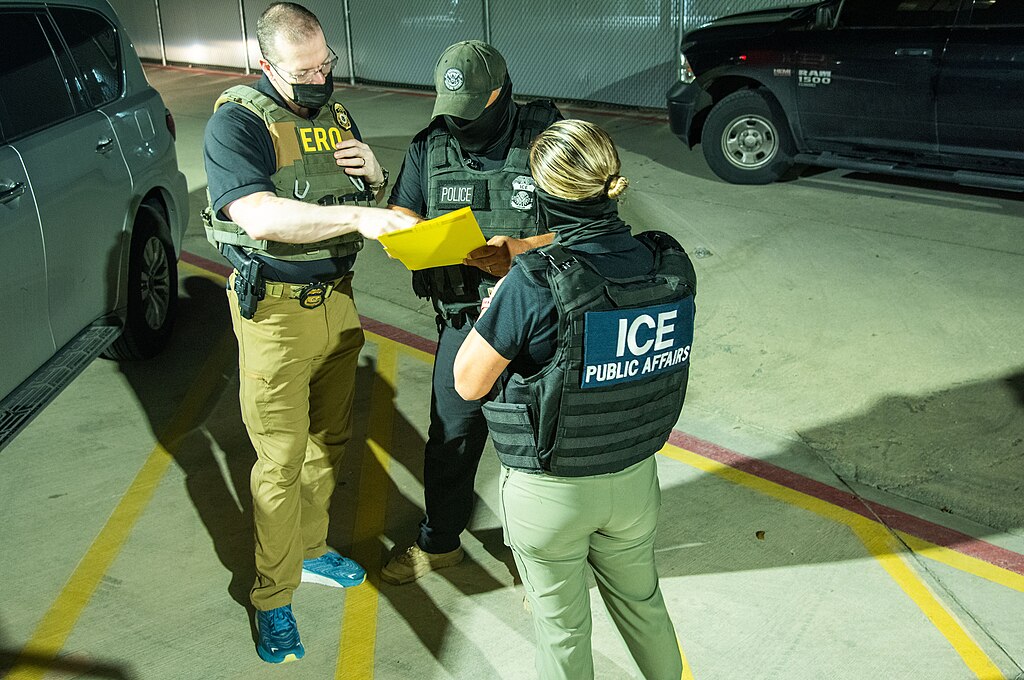
U.S. Immigration and Customs Enforcement (ICE) will equip all officers and agents working in the field with body-worn cameras by the end of August, accelerating a nationwide rollout that was initially expected to take longer.
ICE Acting Director David Venturella announced Saturday that the agency is on track to complete the deployment before its original schedule. The move will ensure every field officer and agent has access to a body camera, increasing documentation of immigration enforcement operations and interactions with the public.
Under ICE policy, body camera footage may be released on an expedited basis when appropriate following serious incidents, including cases involving severe injuries or deaths of people in custody. However, ICE can withhold recordings when releasing them could interfere with an investigation, violate privacy protections or create other legal concerns.
The nationwide ICE body camera rollout gained urgency following several controversial enforcement incidents. After two U.S. citizens were killed during an immigration crackdown in Minnesota, then-Department of Homeland Security Secretary Kristi Noem said ICE's body-worn camera program would expand nationwide as funding became available.
Additional scrutiny emerged after fatal shootings during traffic stops in Maine and Texas last month. The incidents triggered protests and renewed questions about the absence of body camera footage during some ICE enforcement encounters.
Following the shootings, Trump administration border czar Tom Homan said ICE officers would be required to record vehicle stops using at least one body-worn camera.
The accelerated deployment represents a significant change for federal immigration enforcement as ICE faces heightened public attention over the conduct of its agents. Body cameras can provide video records of encounters, potentially offering evidence for investigations and reviews of officers' actions.
With the rollout scheduled for completion by the end of August, ICE is moving toward nationwide use of body-worn cameras across its field operations. The agency's policies governing when recordings are released or withheld will remain an important part of the debate over transparency, accountability and privacy in U.S. immigration enforcement.







