


 China Inflation Cools in July as CPI Misses Forecast, PPI Deflation Eases
  Philippine GDP Growth Slows to 2.3% in Q2
  Asian Stocks Slide as Semiconductor Selloff Weighs on South Korea and Japan
  BOJ Signals Faster Rate Hikes as Inflation Risks Raise September Move Odds
  Gold Price Hits Seven-Week High as Fed Rate Hike Bets Fade and Hormuz Deal Hopes Grow
  US Stock Futures Rise as Markets Await July Payrolls Data
  US Yen Intervention Unlikely to Deliver Lasting Recovery, Yardeni Says
  Asian Currencies Hold Steady as US Dollar Nears Seven-Week Low Ahead of Key Jobs Data
  Trump Unveils $3 Billion U.S. Critical Minerals Push
  US Dollar Falls as Weak July Jobs Report Dents Fed Rate Hike Bets
  US Stock Futures Flat as Iran Strait of Hormuz Demands Fuel Oil Concerns
  US Dollar Gains as Iran Tensions, Fed Rate Hike Bets Rise
  China Exports Beat July Forecasts as AI Demand Fuels High-Tech Trade
  Asian Currencies Steady as Markets Await U.S. Jobs Data
  Iran-Oman Near Strait of Hormuz Deal as Shipping Tensions Persist


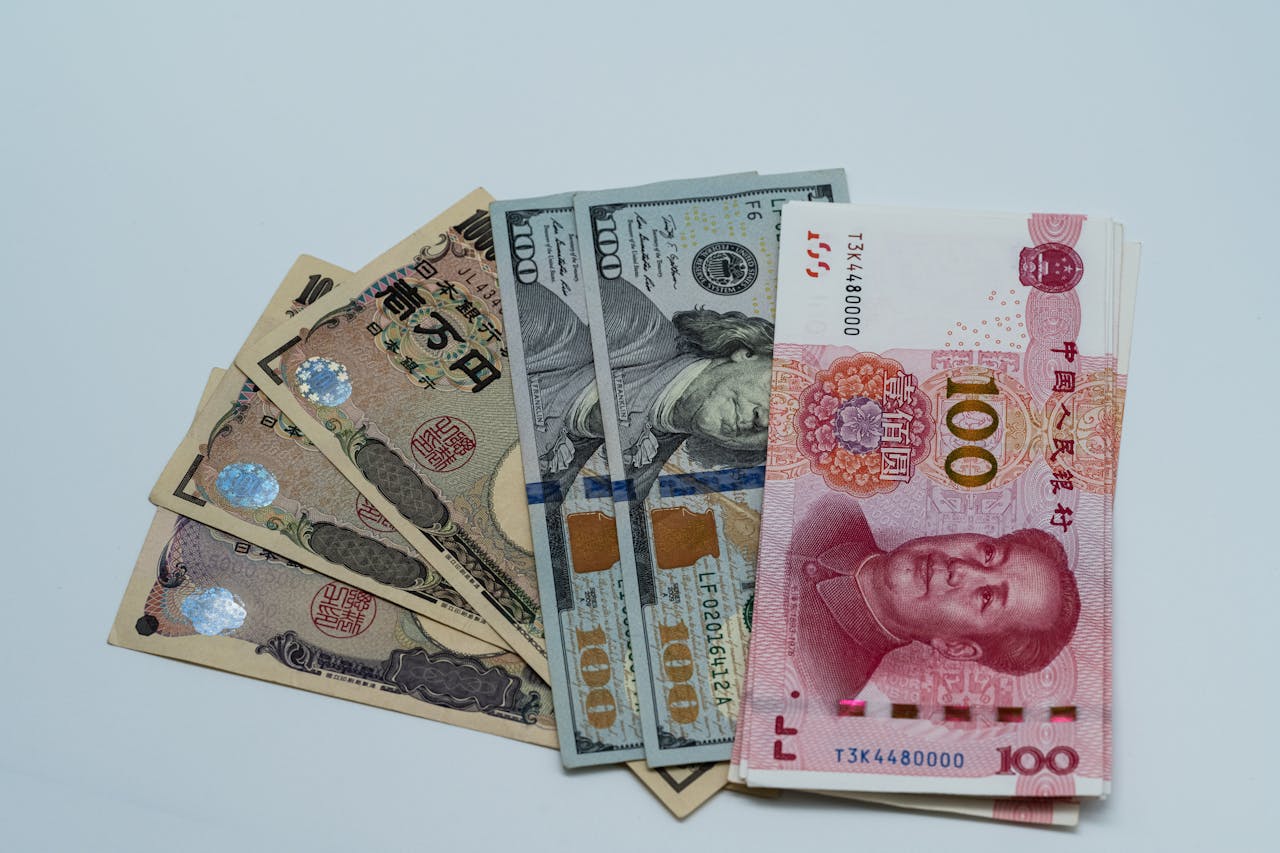
Japanese business leaders are raising concerns about the economic risks of a persistently weak yen and sharp currency fluctuations, even as exporters continue to benefit from favorable exchange rates.
The warnings follow a joint Japan-U.S. currency intervention aimed at supporting the yen after it weakened to nearly 164 against the U.S. dollar in July, its lowest level in around 40 years. The move helped the Japanese currency recover by roughly 5%.
Mitsubishi Electric CFO Kenichiro Fujimoto said that problems affecting Japan’s broader economy inevitably affect individual companies as well. He cautioned that a weaker yen does not automatically translate into better conditions for Japanese businesses.
Although yen depreciation can make Japanese exports more competitive and increase the value of overseas earnings, it also raises import costs. Japan relies heavily on foreign energy, food, raw materials and other essential goods. Higher prices can squeeze households and domestic businesses, potentially weakening consumer demand as the country continues its gradual shift away from decades of deflation.
Japan External Trade Organization (JETRO) Chairman Norihiko Ishiguro has similarly noted that exporters do not always benefit from yen weakness because many Japanese companies depend on imported materials. Beyond higher costs, volatile foreign exchange markets can disrupt corporate earnings forecasts and make investment planning more difficult.
Major trading houses have also highlighted currency volatility as a concern. Mitsui & Co CFO Makoto Tanaka said greater exchange-rate stability would be preferable, despite the weak yen contributing to strong overseas earnings. Mitsubishi Corp CFO Yoshihiro Shimazu said the company was closely watching volatility and could revise its assumed exchange rate of 150 yen per dollar when necessary.
A JETRO survey published in March showed that 120-124 yen per dollar was the most desirable exchange-rate range, chosen by nearly 20% of companies. Only 11% preferred levels above 150.
However, expectations for a substantial yen recovery are fading. Fujimoto suggested that Japan’s economic fundamentals and weak trade balance could make a return to the 120-130 yen range increasingly difficult.
The comments highlight a growing challenge for Japan: while a weak yen can support exporters, prolonged depreciation and USD/JPY volatility risk increasing import costs, hurting domestic demand and complicating corporate planning.







