


 Senate Majority Leader John Thune Moves to Advance Crypto Clarity Act
  SEC Moves to Dismiss Insider Trading Case Against Trump-Pardoned Terren Peizer
  North Korea May Deploy 120 Missiles to Russia
  Abdul El-Sayed Wins Michigan Democratic Senate Primary, Sets Up Key Midterm Showdown
  Iran-Oman Near Strait of Hormuz Deal as Shipping Tensions Persist
  Ukraine Agrees to Protect Kazakhstan Oil Exports via Black Sea
  Trump Orders Probe Into Pentagon Munitions Stockpile Leaks After Iran Conflict
  Trump Unveils $3 Billion U.S. Critical Minerals Push
  Colombia President Abelardo De La Espriella Pledges Drug Crackdown, Economic Reforms
  Trump Faces Tough Choices as Iran War Drags On
  Trump Administration Weighs Executive Order on Vaccines and Autism Research
  Russia Intensifies Drone and Bomb Attacks on Ukraine’s Zaporizhzhia, Deepening Civilian Fear
  New Zealand MMP Electoral System Faces Fresh Referendum Debate
  Taiwan President Lai Oversees Coastal Strike Drills in Han Kuang War Games
  Russian Strikes Kill Six in Eastern and Northern Ukraine, Dozens Injured


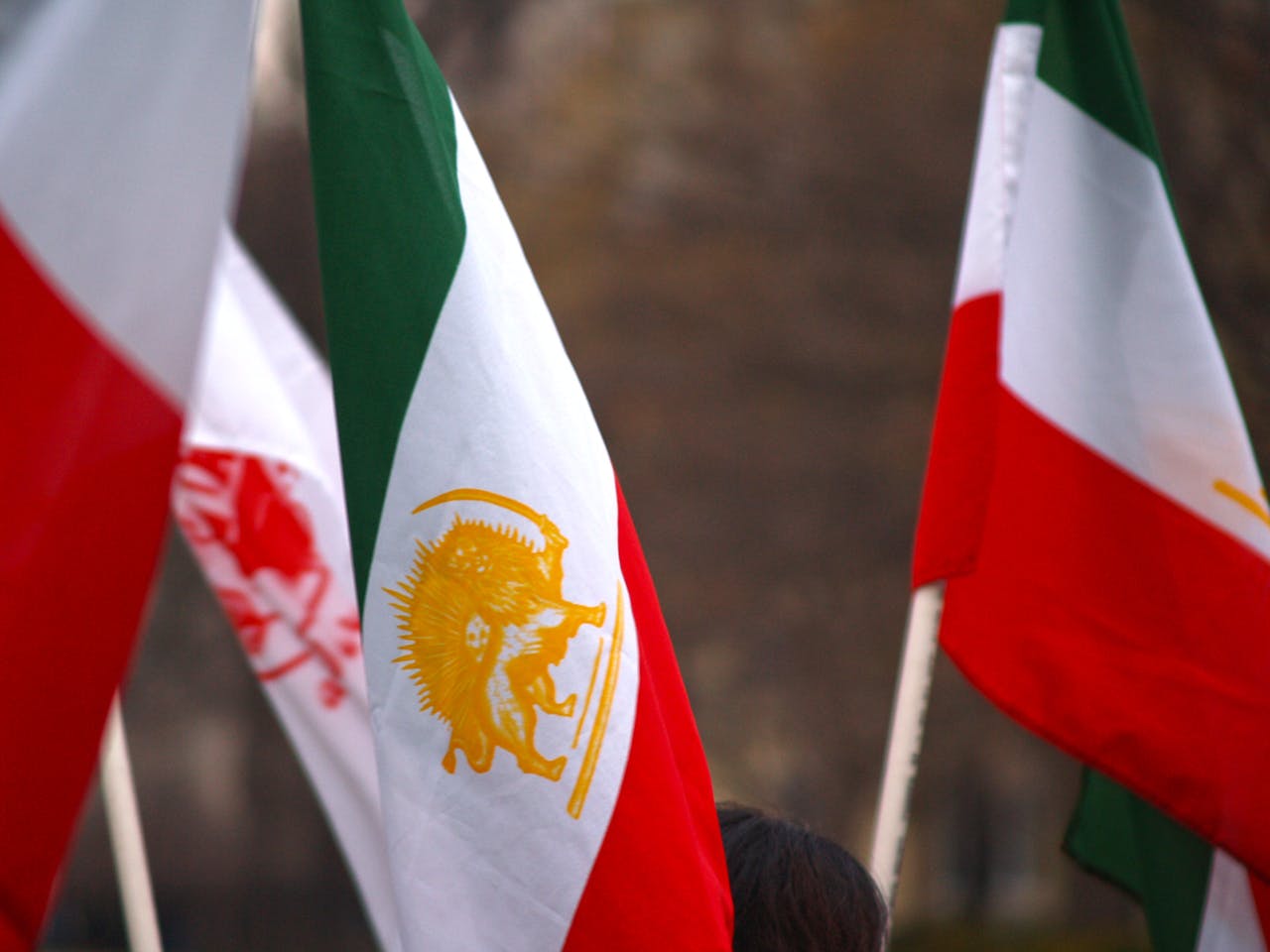
Iran said Sunday that an agreement with Oman establishing new shipping lanes in the Strait of Hormuz is nearing completion, but Tehran stressed that the crucial waterway will remain closed until the United States meets several conditions.
The proposed Iran-Oman agreement would outline shipping routes to be used after commercial traffic resumes through the Strait of Hormuz, a major global energy corridor that previously handled about one-fifth of worldwide oil and liquefied natural gas shipments.
Iranian Foreign Minister Abbas Araqchi said the shipping arrangement was in its “final stages.” However, he maintained that reopening the Strait of Hormuz depends on broader demands, including U.S. compensation for attacks on Iran, an end to sanctions and blockades, the release of frozen Iranian assets and an end to threats against Tehran and its regional allies.
A U.S. official previously said an agreement was close and indicated Washington would lift its blockade on Iranian ports once commercial shipping resumed without obstruction. U.S. measures would be linked to Iran fulfilling its commitments.
Despite indirect communications through intermediaries, Araqchi said Iran and the United States are not currently holding formal negotiations. President Donald Trump, meanwhile, described contacts with Tehran as limited, saying Washington was “semi-negotiating” while monitoring Iran’s economic situation.
Regional tensions remain elevated. The United Arab Emirates accused Iran of attacking a vessel linked to its state oil company, while Yemen’s Iran-aligned Houthis have intensified operations around another important shipping corridor connecting the Red Sea and Gulf of Aden.
The Houthis also claimed responsibility for a drone attack on Saudi Aramco’s Jazan refinery. Saudi Arabia confirmed that a fire occurred at the facility but said it was extinguished without injuries.
The incident came shortly after Saudi Arabia signed a defense pact with Turkey and Pakistan amid worsening regional instability. Turkish Foreign Minister Hakan Fidan said the alliance was not aimed at Iran and that members would consult on the type and extent of assistance provided if one of them came under attack.
With the Strait of Hormuz still restricted, developments surrounding the Iran-Oman shipping deal remain critical for global oil markets, Gulf security and international energy supplies.







