


 Trump Administration Prepares Sanctions Against Entire ICC
  Canada Unveils Bill to Fast-Track Major Resource Projects
  Burnham Eyes UK Leadership Role in AI Ahead of Trump Meeting
  Carney Condemns Belleville Synagogue Shooting That Wounded Police Officer
  Marco Rubio to Meet Russia’s Lavrov in New York
  Trump Says ‘Freedom’ Is Coming to Cuba
  US Plans Two New Military Bases in Greenland Under Arctic Deal
  Trump Board of Peace Unveils $2.45 Billion Gaza Recovery Plan
  Paramount-Warner Bros $110 Billion Deal Draws Antitrust Backlash
  Vietnam, US Trade Deal Could Be Signed Soon, To Lam Says
  China Tightens Fentanyl Rules Ahead of Trump-Xi Summit
  US, Japan and South Korea Back Taiwan Ahead of Trump-Xi Summit
  Kremlin Says No Grounds Yet for Ukraine Peace Talks
  Zelenskiy Meets CIA Chief John Ratcliffe at Ireland’s Shannon Airport
  Macron, Trump Discuss Ukraine-Russia Energy Strike Moratorium
  Iran Vows ‘Crushing’ Response as US Talks Continue
  Trump Says U.S.-Iran Peace Deal Near After UN Talks


 Add as a preferred source on Google
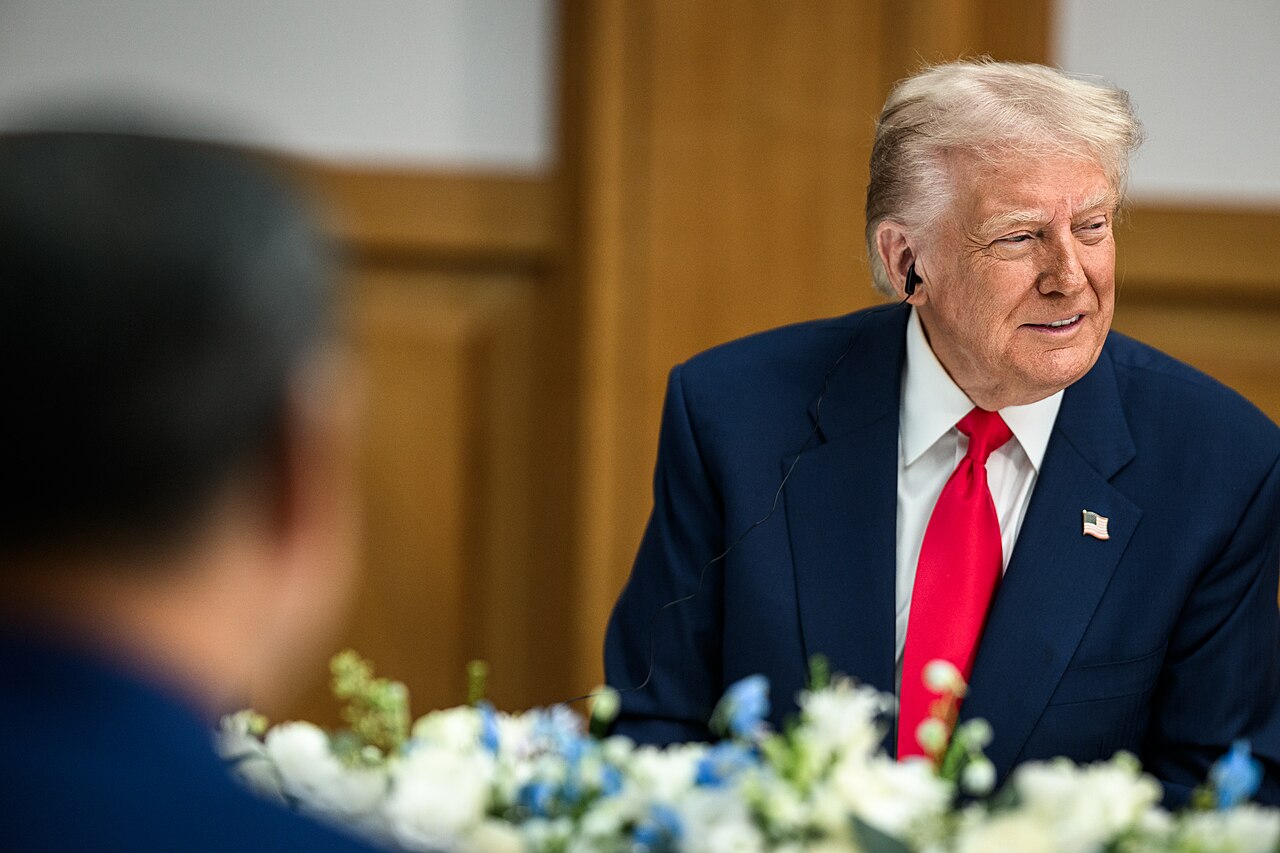
U.S. President Donald Trump is facing increasingly difficult choices as the Iran war enters its sixth month, with diplomacy and the threat of renewed military action offering uncertain paths toward ending the conflict.
Washington is weighing an emerging Iran-Oman arrangement that could reopen the Strait of Hormuz, a critical route for global oil and liquefied natural gas shipments. The proposed terms could give Tehran greater influence over vessels entering the Gulf, potentially creating a major political concession for Trump after the U.S. and Israel launched attacks on Iran on February 28.
The alternative is another round of U.S. airstrikes. However, analysts warn that further military escalation could prolong the Iran conflict without achieving Washington's key objectives. It could also carry significant political risks ahead of the November U.S. midterm elections.
Trump could maintain the current strategy of blockading Iranian ports and responding to attacks on commercial shipping. Yet that approach provides no clear exit from a war the president initially suggested would end within weeks.
Secretary of State Marco Rubio has maintained that the Strait of Hormuz must remain an open international waterway without Iranian control, tolls or fees. A U.S. official also said any temporary shipping routes should operate without interference or oversight by any party.
Reopening the Strait of Hormuz is considered crucial to restarting U.S.-Iran negotiations, particularly over Tehran's nuclear program. Trump has suggested an agreement on the waterway could be close, although Iranian officials say important details remain unresolved.
Domestic pressure is also mounting. High U.S. gasoline prices, weak approval ratings and public dissatisfaction with the war could limit Trump's options as Republicans prepare for crucial congressional elections.
Despite Trump's claims that U.S. operations have weakened Iran's leadership and military capabilities, analysts say several major war objectives remain unfulfilled. Trump recently postponed planned large-scale strikes after regional partners urged Washington to pursue diplomacy, while warning that military action remains possible.
Iran, meanwhile, has warned Gulf countries that renewed U.S. attacks could prompt retaliation against regional energy infrastructure. With China, Russia and North Korea closely observing the conflict, analysts say Washington's next move could have consequences extending far beyond the Middle East.







