


 Canada, US Hold Constructive Trade Talks as Tariff Negotiations Continue
  Bezalel Smotrich Faces Election Battle as Israel’s Far-Right Vote Fractures
  Trump Administration Weighs Executive Order on Vaccines and Autism Research
  US Expands Social Media Vetting to Foreign Journalists Seeking Visas
  Taiwan Tests Penghu Defense, Mobile Internet Limits in War Drills
  Iran-Oman Near Strait of Hormuz Deal as Shipping Tensions Persist
  Russian Strikes Kill Six in Eastern and Northern Ukraine, Dozens Injured
  ICE to Complete Nationwide Body Camera Rollout by End of August
  Trump Faces Tough Choices as Iran War Drags On
  Colombia President Abelardo De La Espriella Pledges Drug Crackdown, Economic Reforms
  Russia Intensifies Drone and Bomb Attacks on Ukraine’s Zaporizhzhia, Deepening Civilian Fear
  Trump Orders Probe Into Pentagon Munitions Stockpile Leaks After Iran Conflict
  Houthi Attack on Yemen’s Mocha Port Kills Seven, Injures 30
  South Korea, US Set Major Military Drills for August
  Iran-Oman Hormuz Shipping Deal Nears Final Stage
  Taiwan President Lai Oversees Coastal Strike Drills in Han Kuang War Games


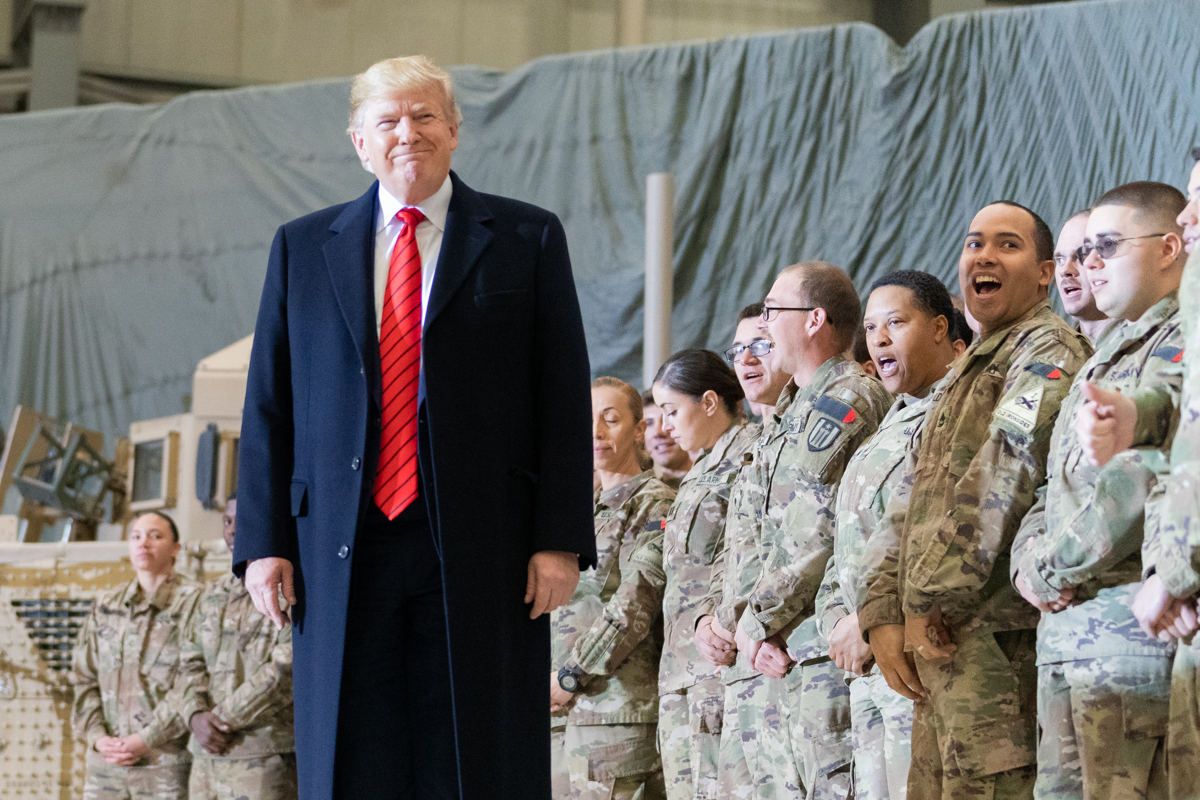
During his presidency, Donald Trump introduced several ambitious policies aimed at stimulating the U.S. economy through foreign investments. His administration sought to attract global capital to the United States, believing that this would create jobs, boost economic growth, and strengthen American industries. While his strategies drew both praise and criticism, the impact of these policies continues to influence the economic landscape today.
Tax Cuts and Deregulation to Entice Global Investors
One of the cornerstones of Trump’s strategy to attract foreign investment was his push for tax cuts and deregulation. In 2017, Trump signed the Tax Cuts and Jobs Act into law, which drastically lowered the corporate tax rate from 35% to 21%. The idea behind this move was to make the United States more competitive on the global stage, especially in attracting foreign companies seeking to set up operations or expand their businesses in the U.S.
Trump argued that the tax cuts would not only encourage U.S.-based companies to bring back overseas profits but would also make the country more appealing to foreign firms looking to invest. By lowering the cost of doing business in the U.S., Trump hoped to stimulate capital inflows and create jobs for American workers.
Furthermore, the Trump administration took steps to reduce bureaucratic red tape, arguing that excessive regulation stifled economic growth and discouraged international businesses from investing. Trump’s policies sought to make it easier for foreign investors to operate in the U.S., focusing on industries such as energy, technology, and manufacturing.
Trade Deals and Global Partnerships to Secure Investment
Another important aspect of Trump’s strategy was his aggressive approach to renegotiating trade deals. He believed that previous trade agreements, such as the North American Free Trade Agreement (NAFTA), were disadvantageous to the U.S. and hindered foreign investment. Trump’s administration renegotiated NAFTA, ultimately replacing it with the United States-Mexico-Canada Agreement (USMCA), which he claimed would encourage more investment in U.S. industries.
Additionally, Trump pursued trade agreements with other countries, including China, Japan, and the European Union, with the goal of fostering stronger economic relationships and attracting foreign capital. By reducing trade barriers and opening up new markets for American goods and services, Trump aimed to create a favorable environment for foreign businesses looking to invest in the U.S.
Despite some criticisms of his protectionist policies, Trump argued that his trade strategies would result in more investments from countries eager to gain access to the lucrative U.S. market.
Reactions from the Public: What Are People Saying?
As Trump’s foreign investment strategies unfolded, reactions from the public were mixed. Here are some of the reactions from Twitter users:
- @GlobalInvestor23: "Tax cuts helped corporate profits, but did they really boost foreign investment as promised? #TrumpEconomics"
- @TradeExpert27: "USMCA might improve trade relations, but what about all the tariffs? #TradeWar #Trump"
- @AmericanInvestor88: "Deregulation sounds great, but what about environmental protections? #TrumpPolicies"
- @EconomicAnalyst41: "Foreign investors are still wary of Trump’s unpredictability. #TradeDeals"
- @GlobalBizWatch: "I’m skeptical of the long-term impact of Trump’s foreign investment strategies. #ForeignInvestment"
- @ProGrowthAdvocate: "Trump’s tax cuts might have worked for corporations, but where’s the trickle-down? #InvestingInAmerica"
The Long-Term Impact of Trump’s Foreign Investment Policies
While it is too early to fully assess the long-term effects of Trump’s foreign investment strategies, there are notable successes and challenges. On one hand, foreign direct investment (FDI) increased in the U.S. during his term, particularly in sectors like technology and manufacturing. On the other hand, the overall volatility in global markets, coupled with ongoing trade tensions, may have dampened some of the expected benefits.
Trump’s policies have left a lasting imprint on U.S. economic policy, especially in the context of foreign investment. As future administrations build on his legacy, the full impact of these strategies will continue to unfold.







