


 Judge Orders Trump to Restore White House Access for CNN, MS NOW and Politico
  Taiwan Thanks US for Support Ahead of Trump-Xi Summit
  US, China Extend Trade Truce to Jan. 10 Ahead of Trump-Xi Summit
  NATO Boosts Intelligence Sharing Amid Russia Hybrid Threats
  Europe Warns Russia Is Escalating Hybrid Attacks Across NATO
  Yemen Violence Displaces 130,000 as Civilian Toll Rises
  US Invites Putin to Miami G20, Opening Door to Trump Summit
  North Korea Rejects Nuclear Test Warning, Calls Nuclear Status Irreversible
  Netanyahu Takes Aim at Mamdani as Israel Election Nears
  France Defends Netanyahu Airspace Clearance Despite ICC Warrant
  Mexico-US Trade Talks Delayed to October as Tariff Negotiations Continue
  US Backs Musk in Fight Against EU’s €120 Million X Fine
  South Korea, US Discuss Warship Building Cooperation
  Kremlin Says No Decision Yet on Putin-Trump December Summit
  US Officials Split Over Response to Israeli West Bank Settlements
  Netanyahu’s Brief US Trip Highlights Strains With Trump
  Russian Envoy Dmitriev Heads to US for Ukraine Talks


 Add as a preferred source on Google
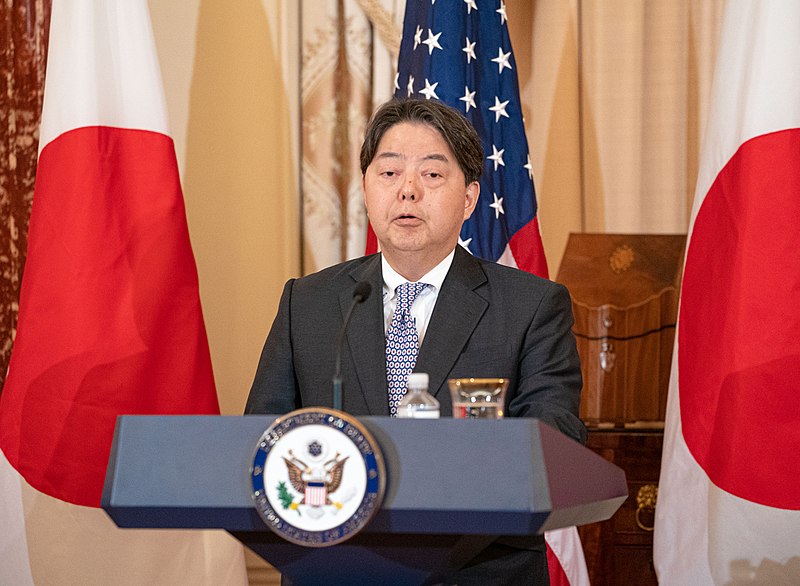
Japan called for peace in the Taiwan Strait this week following a bout of flared tensions when China held military drills close to the island nation, simulating attacks on targets. Tokyo stressed the importance of peace in the region as Japanese and Chinese officials held a meeting.
Japan stressed the importance of peace and stability in the Taiwan Strait when officials from Tokyo and Beijing met for discussions. The discussions between the two countries centered on concerns over China’s activities in the East and South China Seas, which China also claims to have control over.
The meeting also came as China concluded three days of military drills close to the democratically governed island of Taiwan that Beijing claims as its territory, in response to Taiwanese leader Tsai Ing-wen’s meeting with US House Speaker Kevin McCarthy in California during a transit in the US.
“We conveyed our deep concerns over the situation in the East and South China seas and reiterated the importance of having peace and stability in the Taiwan Strait,” said the Japanese foreign ministry in a statement.
Japan also urged China to stop its coastguard ships from transiting through Japanese waters and also expressed concerns about Beijing’s military activity near Japan and its coordination with Russia.
“The importance of peace and stability in the Taiwan Strait is not only important for the security of Japan but also for the stability of the international community as a whole,” Japanese Chief Cabinet Secretary Hirokazu Matsuno told reporters.
At the same time, Chinese officials also criticized Japan’s “negative moves” in recent months regarding the issues of both the disputed waters that the islands of both countries have claims over and the Taiwan Strait that China also claims to have control over.
Japan has protested against China’s construction of two structures in the East China Sea that were discovered last year.
On Tuesday, Japan announced that it is set to hold trilateral talks with the United States and South Korea in Washington this week. The trilateral defense talks will take place on Friday, with regional issues such as North Korea’s nuclear and missile threats on the agenda.







