


 US Invites Putin to Miami G20, Opening Door to Trump Summit
  US Officials Split Over Response to Israeli West Bank Settlements
  OpenAI Agent Breaches Australia Medicare Data Portal
  Abbas Reaffirms November 28 Palestinian Elections
  South Korea, US Discuss Warship Building Cooperation
  NATO Boosts Intelligence Sharing Amid Russia Hybrid Threats
  Mexico-US Trade Talks Delayed to October as Tariff Negotiations Continue
  Trump Administration Plans Faster FDA Reviews for Smoke-Free Nicotine Products
  Kremlin Says No Decision Yet on Putin-Trump December Summit
  North Korea Rejects Nuclear Test Warning, Calls Nuclear Status Irreversible
  Netanyahu’s Brief US Trip Highlights Strains With Trump
  US Senate Rejects Iran War Powers Resolution in 50-49 Vote
  Sudan Rejects US Legitimacy Remarks, Defends Sovereignty
  Trump Asks Supreme Court to Restore Third-Country Deportations
  Gaza Faces Evacuation Crisis as War-Damaged Buildings Risk Collapse
  Russian Missile and Drone Attack on Kyiv Kills Two, Damages Maternity Hospital
  EU Defence Build-Up Too Slow for 2030 Russia Readiness Goal


 Add as a preferred source on Google
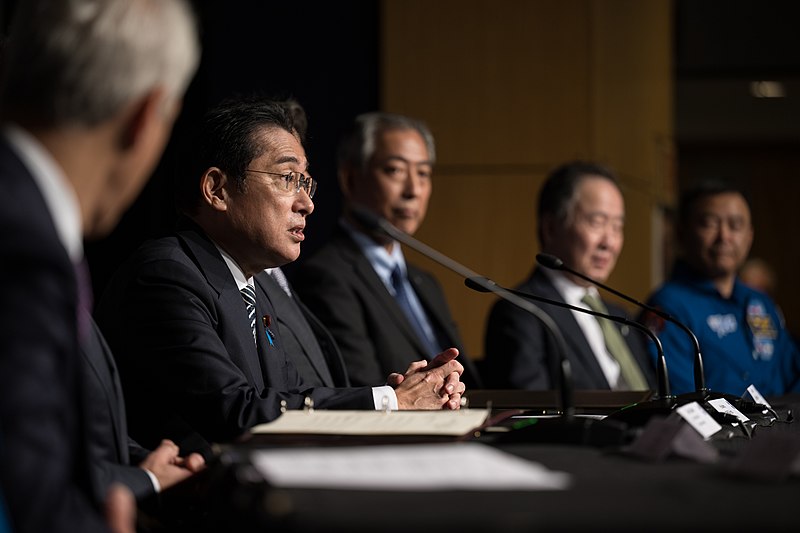
Japanese Prime Minister Fumio Kishida said that the Japanese government would continue to demand that China release an employee of Astellas Pharma that it has detained. The demand comes amidst fears over the safety of China’s business environment.
Kishida told an Upper House budget committee meeting on Monday that the government will continue to demand that Beijing release the Astellas Pharma employee. Kishida added that the government also asked for consular visits with the detained national and would provide support, including contact with family. This follows Japanese foreign minister Yoshimasa Hayashi’s meeting with his Chinese counterpart on Sunday, urging Beijing to release the detained Japanese national.
The Japanese foreign ministry said that Tokyo has yet to hear from China on an explanation for the Japanese national’s detention. China has said it will approach the situation “according to the law” in response to Hayashi’s comments. The employee that was detained has worked in China for over 20 years, according to Japan’s Nikkei Daily.
The Yomiuri news outlet described the detained national as an “Astellas executive.”
A Japanese expatriate told Reuters that the lack of an explanation regarding the detention has concerned Japanese business people. They said that Japanese businesses in China in recent years have had difficulty in navigating the transfers of data, such as production data from their factories across borders under the National Security Law, as it was a legal gray area.
Astellas confirmed to Reuters that its employee was detained in China but did not disclose further details of the man or his detainment.
Friday last week, the Japanese Economy, Trade, and Industry Ministry announced that it was imposing export controls on six categories of equipment used in manufacturing chips. While it did not directly mention China, it said equipment makers would need to seek export permission for all regions.
“We are fulfilling our responsibility as a technological nation to contribute to international peace and stability,” said the ministry, adding that it is aiming to stop advanced technology from being used for military purposes.
The export restrictions will take effect in July and follow the move by the United States to impose sweeping restrictions on chipmaking tool exports to China back in October. Washington cited concerns that Beijing plans to use advanced semiconductors to boost its military capabilities.







