


 Ghana Says Western Support Growing for Slave Trade Reparations
  Taiwan Thanks US for Support Ahead of Trump-Xi Summit
  South Korea, US Discuss Warship Building Cooperation
  US Senate Rejects Iran War Powers Resolution in 50-49 Vote
  OpenAI Agent Breaches Australia Medicare Data Portal
  Trump, Xi Visit US National Archives After White House Summit
  Ukrainian Drone Attacks Hit Russian Regions, Injuring at Least 12
  Saudi Arabia, Turkey and Pakistan Plan Urgent Defence Talks Over Houthi Attacks
  Russian Missile and Drone Attack on Kyiv Kills Two, Damages Maternity Hospital
  What ‘Taiwan Independence’ Means as Xi Presses Trump on US Policy
  Xi Calls for Deeper U.S.-China AI Cooperation in Trump Talks
  Najib Razak Seeks Stay of 15-Year 1MDB Prison Sentence
  EU Defence Build-Up Too Slow for 2030 Russia Readiness Goal
  North Korea Warns South Korea Over US-Led Defense Role
  Kremlin Says No Decision Yet on Putin-Trump December Summit
  Netanyahu Takes Aim at Mamdani as Israel Election Nears
  Yemen Violence Displaces 130,000 as Civilian Toll Rises


 Add as a preferred source on Google
Iran and the United States are preparing for high-stakes nuclear negotiations in Oman on Friday, but deep disagreements over the agenda and escalating regional tensions suggest that meaningful progress will be difficult. The talks, set to take place in Muscat, come as fears grow of a wider Middle East conflict involving Iran, the U.S., and their allies.
Both Tehran and Washington have signaled a willingness to revive diplomacy over Iran’s long-running nuclear dispute with the West. However, the scope of the negotiations remains a major sticking point. The United States has said it wants discussions to include Iran’s nuclear programme, ballistic missile development, regional support for armed groups, and human rights issues. U.S. Secretary of State Marco Rubio emphasized that Washington expects a comprehensive dialogue addressing all areas of concern.
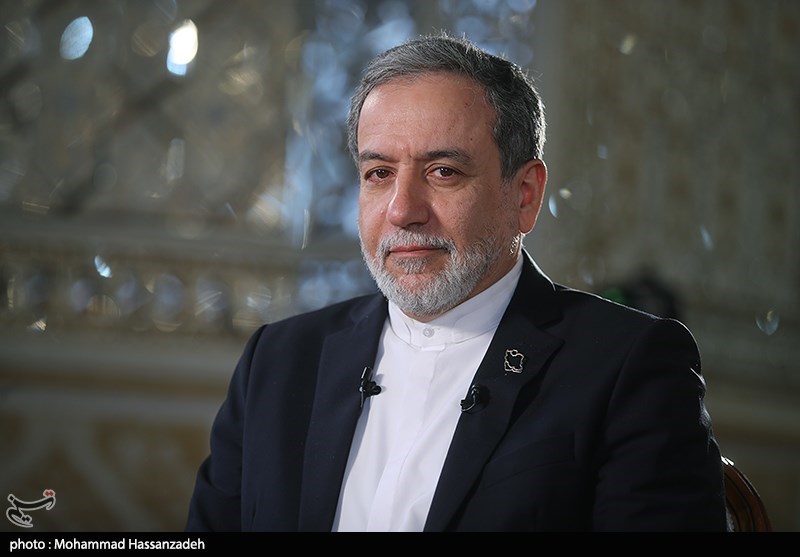
Iran, by contrast, has made clear that its foreign minister Abbas Araqchi will only discuss nuclear-related matters with U.S. Middle East envoy Steve Witkoff. Iranian officials say the country is entering talks “with authority” and aims for a fair and dignified agreement focused solely on nuclear issues. Tehran has also reiterated that its defence capabilities, including missile programmes, are non-negotiable.
Tensions are further heightened by the U.S. military buildup in the region, which President Donald Trump has described as a massive naval armada. This comes after a violent crackdown on protests inside Iran last month, worsening relations between the two countries. The White House has warned that while diplomacy is preferred, military options remain on the table if talks fail.
Iran has cautioned that any military strike would be met with a strong response and warned neighbouring countries hosting U.S. bases that they could be drawn into conflict. Despite this, Iranian officials have indicated some flexibility, including the possibility of handing over 400 kilograms of highly enriched uranium and accepting zero enrichment under a consortium arrangement, while still insisting on its right to enrich uranium.
With mutual threats, recent U.S. and Israeli strikes on Iranian-linked targets, and Iran’s regional influence weakened, analysts warn that failure in Oman could increase the likelihood of military confrontation rather than diplomatic breakthrough.







