


 Venezuela Promises Elections as Delcy Rodriguez Pledges Democratic Transition
  US Officials Split Over Response to Israeli West Bank Settlements
  Kremlin Says No Grounds Yet for Ukraine Peace Talks
  Gaza Faces Evacuation Crisis as War-Damaged Buildings Risk Collapse
  Vietnam, US Trade Deal Could Be Signed Soon, To Lam Says
  Scott Bessent Eyed as Trump’s New AI Czar
  Trump to Press Xi on Release of US Nuclear Expert Held in China
  Macron Challenges Trump’s Gaza Peace Claims at UN
  Trump Board of Peace Unveils $2.45 Billion Gaza Recovery Plan
  Russian Strikes Kill Eight Across Ukraine as Energy Sites Hit
  Burnham Eyes UK Leadership Role in AI Ahead of Trump Meeting
  Trump Administration Plans Faster FDA Reviews for Smoke-Free Nicotine Products
  South Korea, US Discuss Warship Building Cooperation
  Macron, Trump Discuss Ukraine-Russia Energy Strike Moratorium
  Canada Unveils Bill to Fast-Track Major Resource Projects
  US, China Extend Trade Truce to Jan. 10 Ahead of Trump-Xi Summit
  Trump Says ‘Freedom’ Is Coming to Cuba


 Add as a preferred source on Google
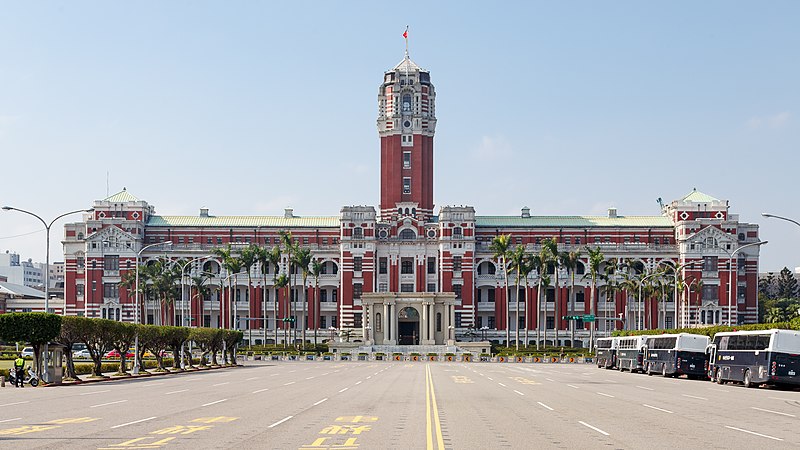
Taiwan and the South China Sea is one of the issues that China finds itself different from the rest of the world, especially from the island nation’s western allies. Following a recent arms sale that occurred between the US and Taiwan, Beijing hits out at Washington for provocation.
The Chinese government criticized Washington for its recent arms sale with Taiwan. The new sale involves 40 self-propelled artillery units. Beijing accused Washington of trying to undermine China-US relations through its move towards the Taiwanese independent forces. China claims that Taiwan is part of the mainland and has not ruled out taking over the island nation by force.
Taiwan has had a democratic government for some time. Its government has opposed China’s claims. A piece in the Chinese outlet Global Times claims that the arms sale was a strategy by the US to create trouble for China in the Indo-Pacific region. The article went on to state that China will respond accordingly.
The US deal with Taiwan is part of the efforts to deter what it sees as China’s expansionism views. The US and Taiwan have a shared history of providing arms to the island nation as stipulated in their Taiwan Relations Act. It was only in recent years that the US has actively sided with Taiwan, especially over the South China Sea.
A US State Department spokesman said that US President Joe Biden has dispatched a delegate to Taiwan in a show of support towards the island nation’s democratic government. This, however, has also reiterated the tensions between the US and China.
Despite the threats made by China against the US and the rest of the countries regarding Taiwan and even the South China Sea, a panel of experts claimed that China may find themselves engaged in a hard battle against both Australia and the US over the island nation. They noted that a possible military conflict may happen in the next five to 10 years over the independence of Taiwan.
“Some people in Australia have questioned what the US would do -- the US is 100 percent going to fight this war,” said Stanford University’s Dr. Oriana Skylar Mastro. “But the big issue is the balance of power has shifted and the reason they might go for this landing is because they think they could win… even if the US intervenes.”







