


 China’s ‘Lipstick King’ Says AI Won’t Replace Livestream Hosts
  U.S. Dollar Hits Two-Month High as Oil, Treasury Yields Surge
  Asian Stocks Fall as Surging Bond Yields Rattle Markets
  Gold Holds Near $4,275 as Rising Treasury Yields Fuel Fed Rate Hike Bets
  Fed’s Hammack Says Bond Yield Surge Is Not Driven by Inflation Fears
  US Comfortable With Canada Trade Standoff as Import Bans Loom
  Asian Stocks Fall as Bond Yields Surge Ahead of Trump-Xi Summit
  U.S. Treasury Yields Surge as 30-Year Hits 22-Year High
  Japanese Bank Stocks Surge as Bond Yields Fuel Rate Hike Bets
  Asian Currencies Mixed as Dollar Holds Near Two-Month High
  Australia Unemployment Hits Five-Year High Despite Strong Jobs Growth
  Canadian Dollar Faces Pressure as Fed-BoC Policy Gap Widens
  Dollar Falls as Oil Eases, Yen Jumps on Intervention Signals
  European Stocks Fall as Bond Yields and Geopolitical Risks Weigh
  Fed Unveils Stablecoin Rules Under GENIUS Act
  US Stock Futures Fall as Treasury Yields Surge Ahead of Trump-Xi Summit


 Add as a preferred source on Google
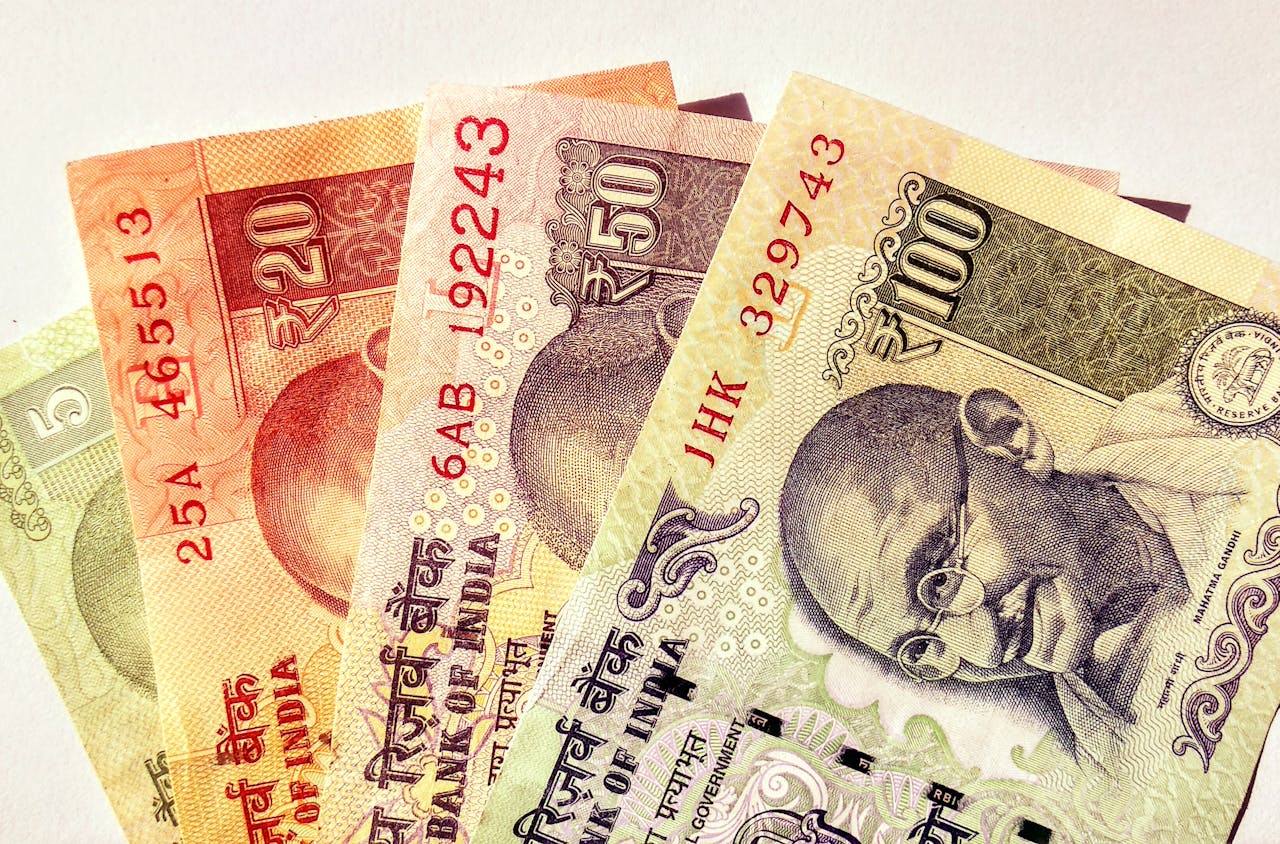
Most Asian currencies edged lower on Wednesday as investors weighed the U.S. Federal Reserve’s future interest rate path following mixed signals from the latest U.S. labor market data. At the same time, the Indian rupee staged a sharp rebound from record lows, supported by growing expectations of central bank intervention to stabilize the currency.
The U.S. Dollar Index, which tracks the greenback against a basket of major global currencies, rose around 0.3% during Asian trading hours. Dollar Index futures were also higher, reflecting sustained demand for the U.S. currency as markets reassessed the outlook for U.S. monetary policy. The stronger dollar continued to pressure regional currencies, particularly those sensitive to capital flows and external demand.
The Indian rupee was a notable outlier, strengthening more than 1% after hitting successive record lows earlier in the week. The USD/INR pair fell sharply after reports that state-run banks were actively selling dollars, fueling speculation that the Reserve Bank of India had stepped in to curb excessive volatility. The rupee’s recent weakness has been driven by persistent foreign portfolio outflows, robust importer demand for dollars, and uncertainty surrounding U.S.-India trade relations. While intervention helped stabilize the currency in the short term, broader structural pressures remain in focus for investors.
Market sentiment was also shaped by fresh U.S. employment data released on Tuesday. Nonfarm payrolls showed modest job gains in November, while the unemployment rate climbed to its highest level since 2021. These figures reinforced expectations that the U.S. labor market is cooling, complicating the Federal Reserve’s policy outlook. Analysts noted that slowing job creation and rising unemployment could strengthen the case for interest rate cuts in the coming months, especially amid increasing political pressure ahead of U.S. elections.
Elsewhere in Asia, the Chinese yuan was largely stable, while the Singapore dollar weakened modestly. The Australian dollar slipped, reflecting both dollar strength and cautious risk sentiment. The Japanese yen also softened slightly against the dollar as traders looked ahead to an upcoming Bank of Japan policy meeting, where a potential rate hike could signal another step away from ultra-loose monetary policy and offer longer-term support to the yen.







