


 Trump Administration Prepares Sanctions Against Entire ICC
  South Korea, US Discuss Warship Building Cooperation
  France Defends Netanyahu Airspace Clearance Despite ICC Warrant
  Netanyahu Takes Aim at Mamdani as Israel Election Nears
  DOJ Will Investigate AI-Related Crimes, Attorney General Blanche Says
  North Korea Rejects Nuclear Test Warning, Calls Nuclear Status Irreversible
  Ecuador Court Convicts Ex-President Lenin Moreno in Bribery Case
  Sara Duterte Posts Bail Over Grave Threats Case
  SEC Seeks ISS Client Voting Records in Proxy Adviser Probe
  Trump’s Arlington Arch Project Faces New Court Restrictions
  Xi Calls for Deeper U.S.-China AI Cooperation in Trump Talks
  Judge Blocks Trump Rule Limiting Foreign Student Visas
  Paramount-Warner Bros $110 Billion Deal Draws Antitrust Backlash
  EU Defence Build-Up Too Slow for 2030 Russia Readiness Goal
  Mexico-US Trade Talks Delayed to October as Tariff Negotiations Continue
  Trump Asks Supreme Court to Restore Third-Country Deportations
  Honduras Court Drops Charges Against Ex-President Juan Orlando Hernandez


 Add as a preferred source on Google
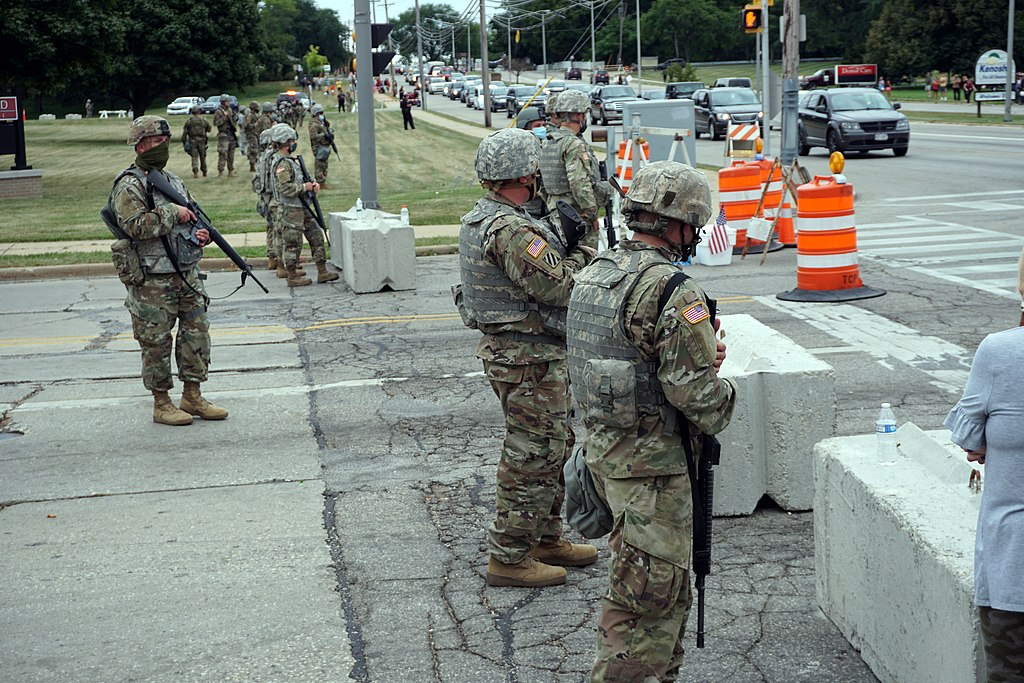
A federal appeals court on Wednesday cleared President Donald Trump’s deployment of National Guard troops in Washington, D.C., allowing the controversial operation to continue while legal challenges move forward. In a unanimous decision, three judges from the U.S. Court of Appeals for the District of Columbia Circuit ruled that the Trump administration is likely to prevail in its argument that the president has broad authority to deploy troops in the nation’s capital.
The ruling temporarily pauses a lower court decision that would have halted the National Guard deployment, which began earlier this summer and intensified after a November shooting near the White House that injured two National Guard members. The appeals court emphasized that Washington, D.C., is not a state, giving the president unique constitutional powers to mobilize troops and enforce federal law there.
The decision marks a significant legal victory for Trump as he continues to assert expansive authority to use military forces in U.S. cities, even over objections from local leaders. Critics argue that such deployments break with long-standing norms designed to limit the use of the military for domestic law enforcement. The case is widely expected to reach the U.S. Supreme Court, which will ultimately decide whether the president exceeded his authority.
The lawsuit challenging the deployment was filed by the office of Washington, D.C. Attorney General Brian Schwalb. In a statement, the office said it plans to continue pursuing the case, stressing that the appeals court order is preliminary and does not address the underlying legal merits.
The White House welcomed the ruling, with spokesperson Abigail Jackson stating that the decision affirms Trump’s lawful authority and claiming the deployment has made Washington safer and more orderly.
Beyond Washington, Trump has also sought to deploy troops to Democratic-led cities such as Los Angeles, Chicago, Portland, and Memphis, arguing they are plagued by crime and hostile to federal immigration enforcement. Local and state leaders strongly dispute those claims and have filed lawsuits, contending that protests do not meet the legal threshold of rebellions required to justify military intervention.







