


 Alphabet Replaces Verizon in Dow Jones Industrial Average
  Anthropic AI Model Uncovers Vulnerabilities in Classified U.S. Government Systems During Security Test
  SK Hynix Moves Closer to New York ADR Listing Amid AI Chip Boom
  Trump Orders DOJ Investigation Into Exxon, Chevron Over High Gas Prices
  Russia Signals Frustration Over Unfulfilled U.S. Commitments After Alaska Summit
  Meta Reportedly Developing ‘Arena’ Prediction Market App to Rival Polymarket and Kalshi
  OpenAI May Delay IPO to 2027 Amid $1 Trillion Valuation Goal
  SK Hynix Targets $29.4 Billion Nasdaq Listing to Expand AI Chip Business
  Bain Capital Nears Deal for Majority Stake in Volkswagen Marine Engine Unit Everllence
  Trump Requests $11 Billion More in Farm Aid as Rising Costs Pressure U.S. Farmers
  Doncasters Raises $919 Million in NYSE IPO as Aerospace Growth Accelerates
  Nissan Halts Electric Qashqai Development Amid EV Market Challenges
  SK Hynix Overtakes Samsung as South Korea’s Most Valuable Company
  FedEx Stock Drops After Weak 2026 Earnings Forecast Despite Strong Q4 Results
  Republican Lawmaker Introduces AI Incident Reporting Bill to Strengthen U.S. AI Safety


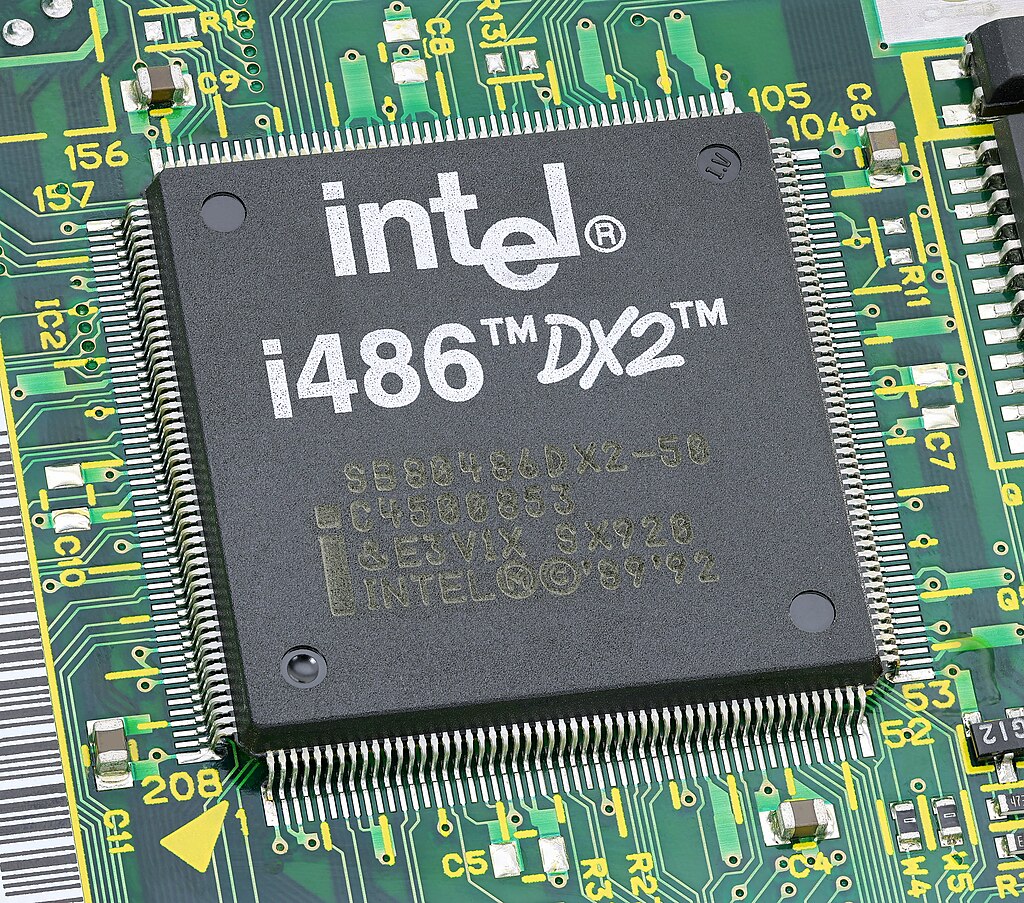
Republican lawmakers are raising alarms over potential U.S. national security risks after a Reuters report revealed that Intel evaluated advanced chipmaking equipment from ACM Research, a company with significant ties to China. The controversy centers on whether using such tools in U.S. semiconductor manufacturing could expose sensitive technology and undermine America’s technological edge.
According to Reuters, Intel tested chipmaking tools supplied by ACM Research, a Fremont, California-based firm, to assess their suitability for its most advanced manufacturing process, known as 14A. While Intel emphasized that the tools are not currently being used in production and that no regulations were violated, the revelation triggered strong reactions from lawmakers critical of China’s influence in high-tech supply chains.
Two overseas units of ACM Research were sanctioned by the U.S. government last year over allegations that they supported Chinese government efforts to leverage commercial technology for military purposes, including advanced chip production. ACM has denied these claims, and following publication of the Reuters story, shares of its Shanghai-listed unit rose sharply, reflecting heightened investor attention.
Republican Senator Marsha Blackburn warned that testing China-linked equipment in U.S. chip factories could create vulnerabilities, arguing it might allow foreign interference or compromise in America’s most advanced semiconductor capabilities. She renewed calls for legislation that would prevent chipmakers receiving U.S. government subsidies from using Chinese-made equipment in taxpayer-backed expansion projects.
Intel has sought to reassure policymakers, stating it takes national security seriously and complies fully with U.S. laws. The company highlighted strict cybersecurity protocols, limits on data access for individual tools, and continuous monitoring of manufacturing equipment communications. Intel also said it maintains ongoing dialogue with lawmakers and regulators to address concerns.
China-focused lawmakers and analysts argue that even evaluating equipment from firms with sanctioned affiliates poses risks, including potential technology transfer, displacement of trusted Western suppliers, and long-term strategic vulnerabilities. Representative John Moolenaar, chair of the House Select Committee on China, said relying on Chinese manufacturing tools could erode U.S. leadership in AI chips and advanced semiconductor technology.
The situation underscores growing tensions between national security priorities and globalized supply chains as the U.S. seeks to strengthen domestic chip manufacturing while limiting China’s access to cutting-edge technology.







